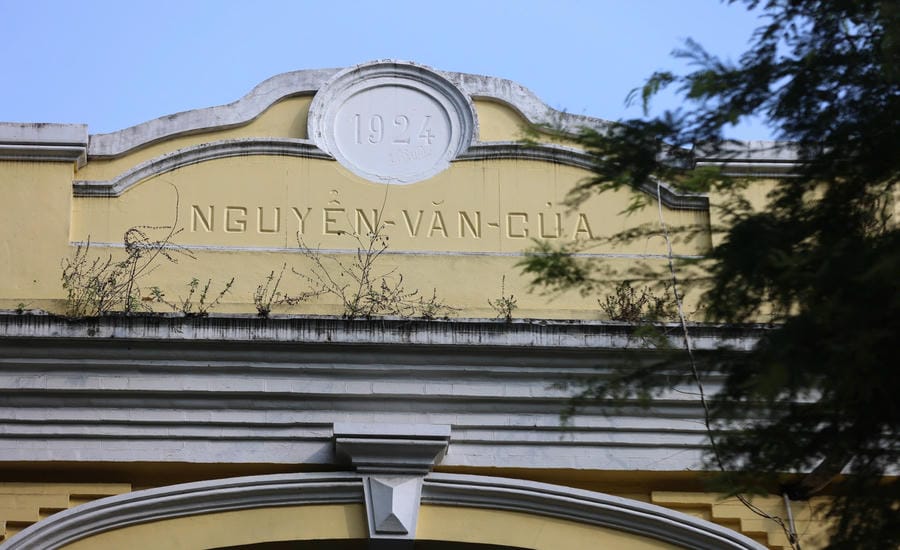
The building was built by Mr. Nguyen Van Cua (1876 - 1941) - an intellectual and typical businessman of Nam Ky in the early 20th century - in 1924. In the past, this place was associated with the development period of the Quoc Ngu print and newspaper industry, publishing works by writer Ho Bieu Chanh and many valuable French works.
With a total area of about 600m2, the building is designed methodically with 3 consecutive space layers: In front is the service and office area, in the middle is the printing workshop, and behind is the staff housing area.
This 2-story building has a solid reinforced concrete structure consisting of 5 spans. Right in the middle span of the facade, passersby can still see the original Imprimerie de l’Union words of the same year of construction clearly engraved on the balcony wall.
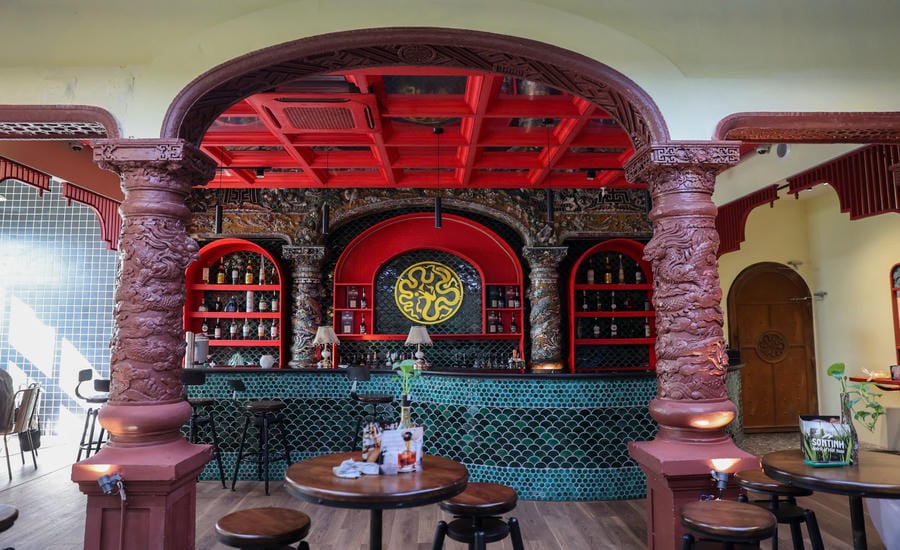
The uniqueness of the house also lies in the interior made by Hue artisans in the past. On the columns and concrete beams inside, there are still reliefs inlaid with porcelain in the shape of the four sacred animals (dragon - unicorn - turtle - phoenix), plant motifs, interwoven with parallel sentences and ancient Han - Nom characters.
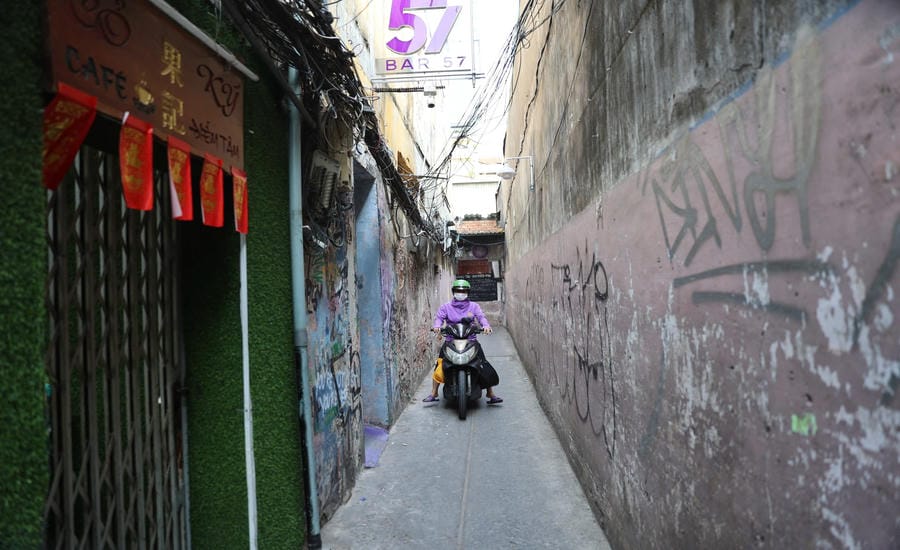
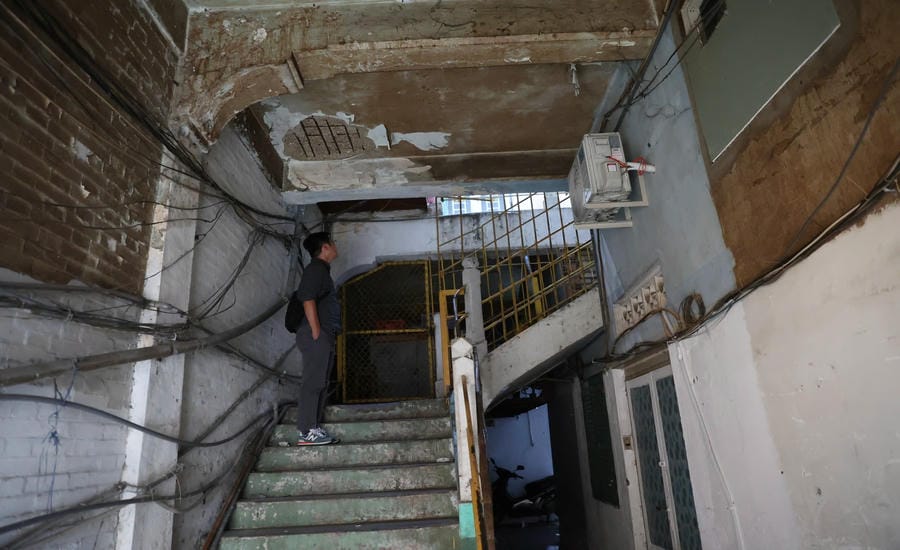
After 1975, the printing house stopped operating and the space was divided among many different owners. Ms. Dang Kim Binh (58 years old, great-grandson of Mr. Nguyen Van Cua) shared that currently there are about 20 households living in this area. The entrance to the factory and workers' houses behind is now a small alley just enough for a motorbike to move.
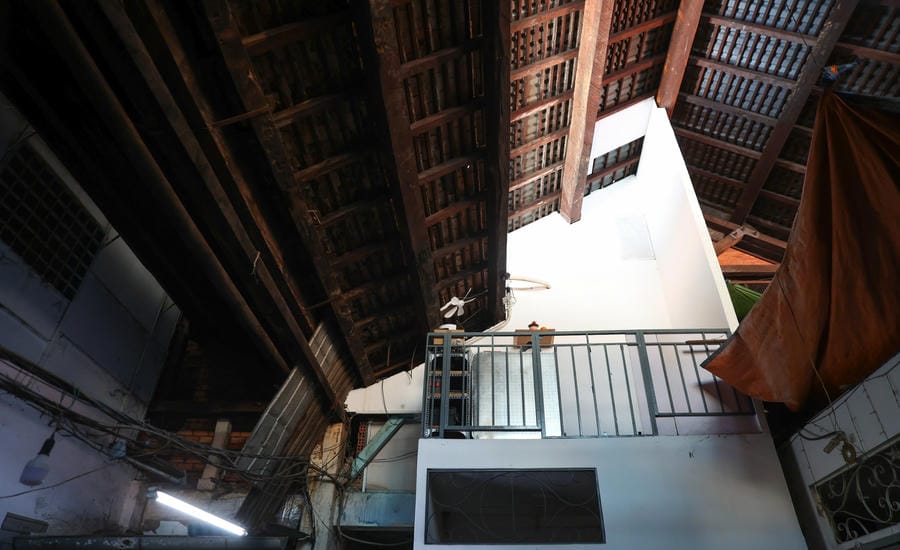
Due to the long time and lack of synchronous maintenance measures, the project cannot avoid signs of degradation. The wooden frame tiled roof in some locations has now been replaced by corrugated iron roofing by people to ensure safety in daily life.
Besides the living space of households, thanks to its prime location in the center of Ho Chi Minh City, many frontage areas of the building have been used for rent as eateries, cafes and convenience stores. The book distribution office area in the past has now become the reception space of a coffee shop, while a part of the second floor has been converted into a bar but still retains the old room structure.
As a person who loves nostalgic values, Mr. Nguyen Van Nam (resident of Saigon ward), a diner enjoying coffee here, excitedly shared: "I came to this space by chance, but when I stepped inside, I was really attracted. The feeling of sitting and sipping a cup of coffee in the middle of a century-old building, looking up and immediately seeing the ceramic mosaic reliefs, the original architectural lines from ancient times makes me feel very interesting. It brings a very private moment of silence, completely different from the hustle and bustle on the street".
Although the function has changed and the commercial rhythm is covered, the characteristics such as wooden stairs, room door systems or ancient characters inside the building are still respectfully preserved by homeowners and tenants.