Good policies, a wide market, curative work, theory - criticism, valuation, professional anti-fake paintings,... are all important for the development and improvement of the quality of art today. However, the first and most important issue lies with the author - the person who directly creates the artworks - who are the artists.
The content of the headline is a big problem for art, cannot be answered comprehensively and accurately immediately, and is not easy to condense into a few articles. "Factor" here is understood as the most important factor; "change" is understood as a major change in thinking as well as expression in creativity; and "art" is considered in a smaller aspect, which is visual art (mainly painting).
The concept of some Vietnamese artists of the 3X, 5X, 7X, 8X generations - those who have a mark in artistic practice below - whether based on personal experiences, directly or indirectly addressing the issue - has a common point of focusing on the creator instead of paying too much attention to external factors (although necessary and undeniable). This gives us insights to approach the most satisfactory answer.
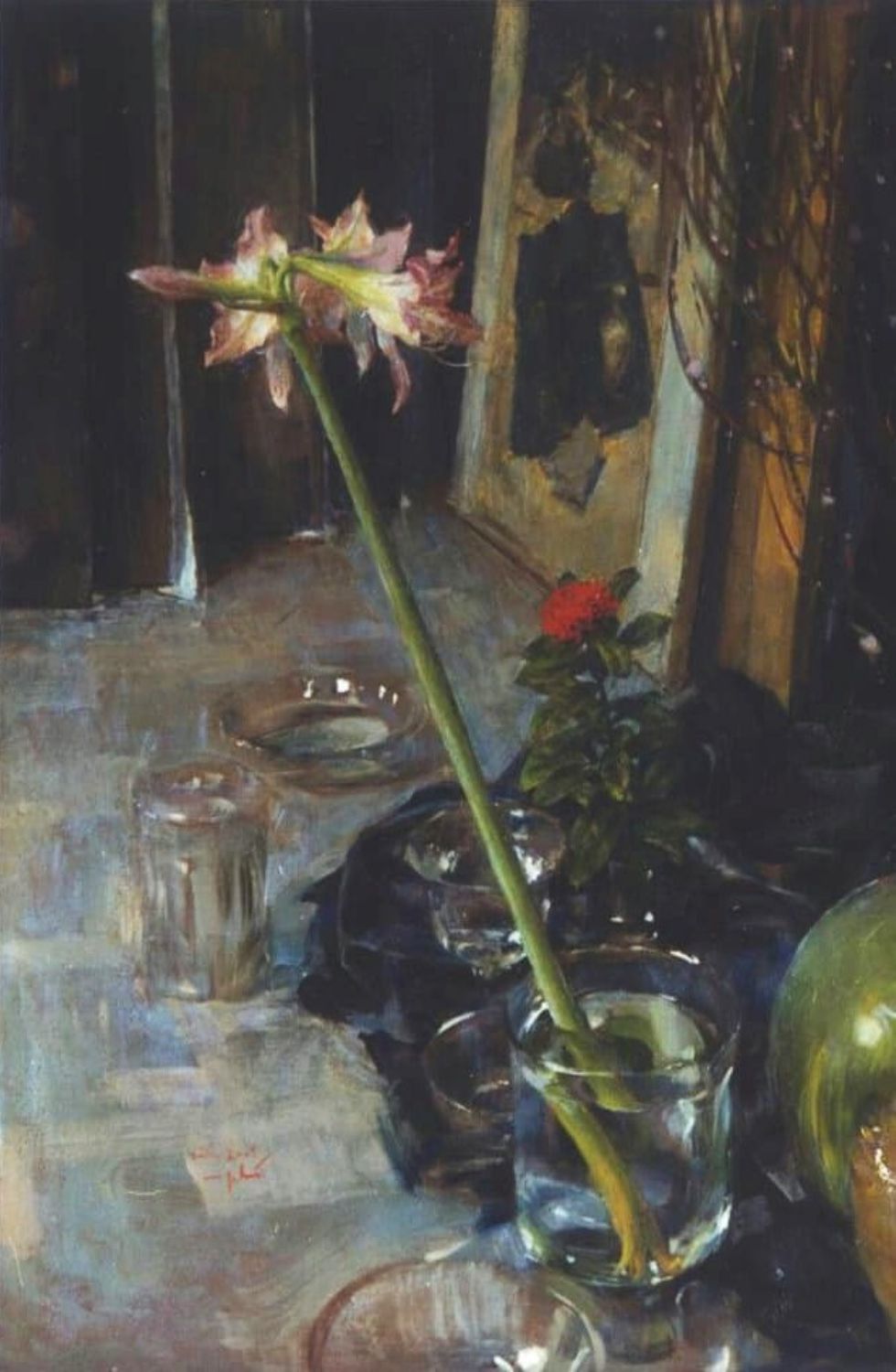
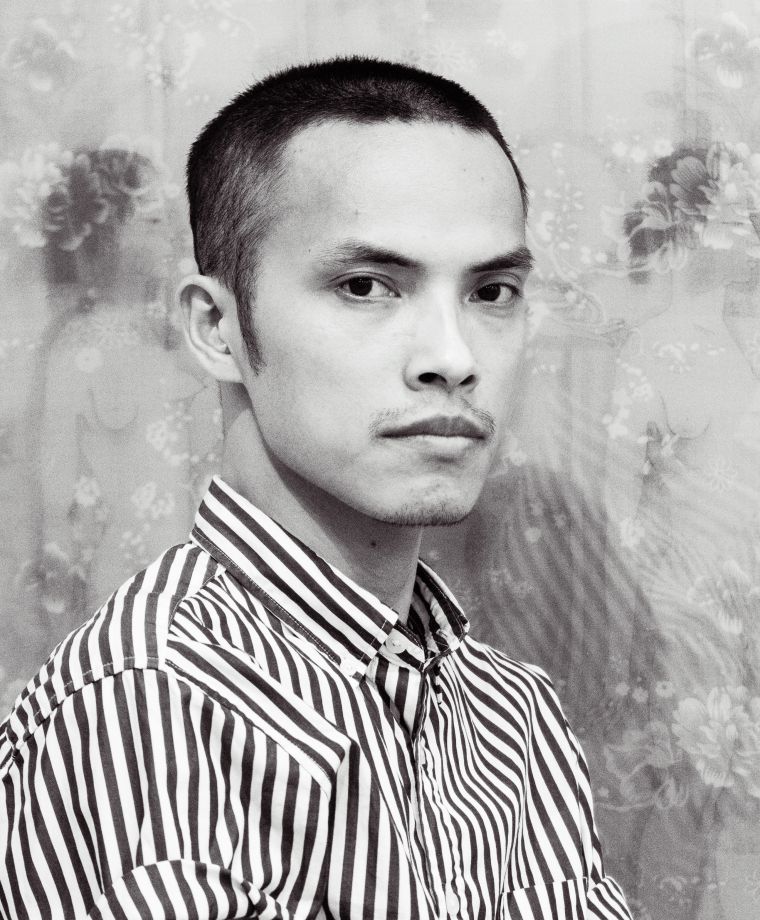
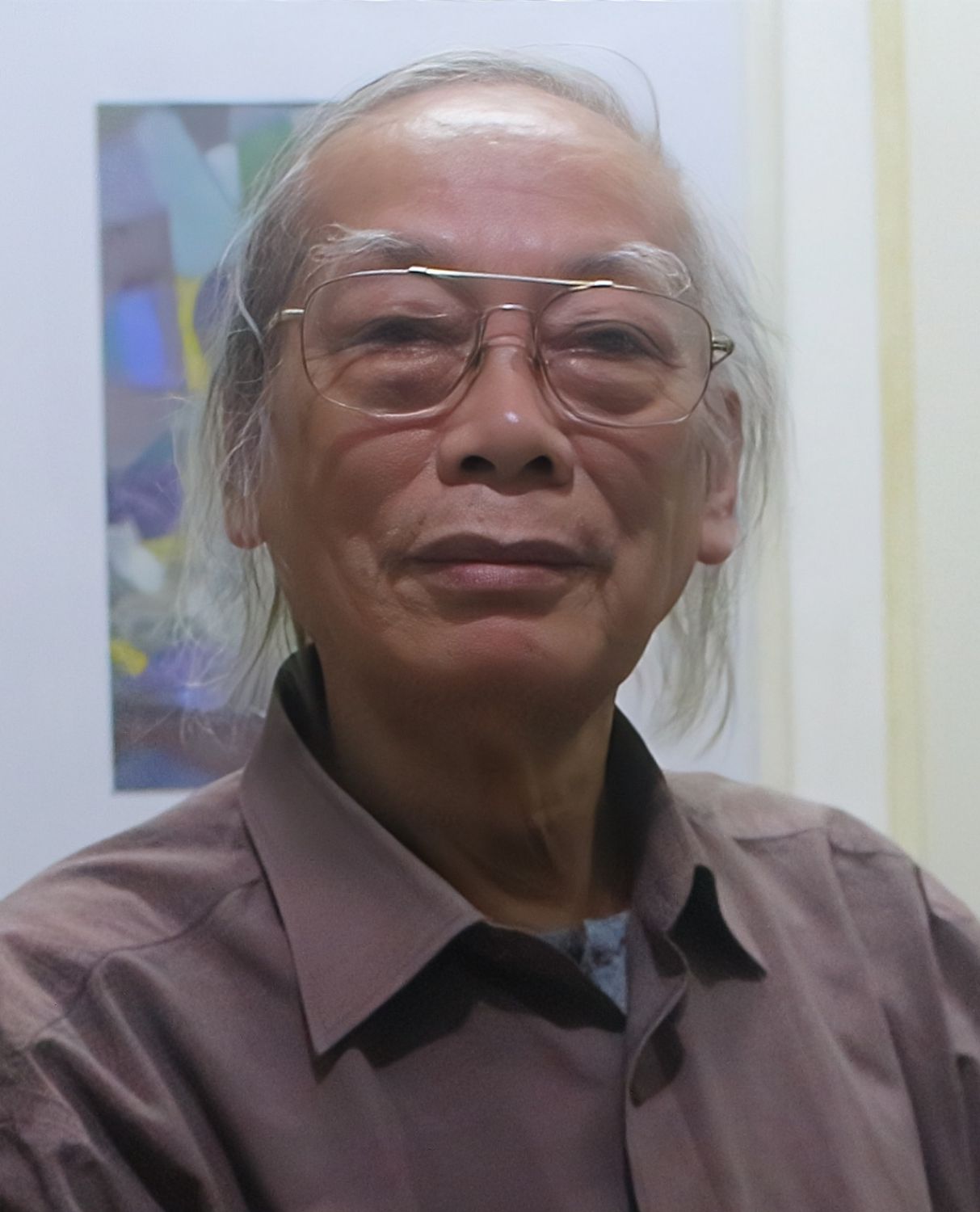
- Artist Huy Oanh
His full name is Tran Huy Oanh. He was born in 1937 in Ninh Binh (formerly Ha Nam). Formerly a lecturer, Vice Rector of Vietnam University of Fine Arts.
In teaching, he is considered a solid teacher in his profession, an inspirational person and has a great influence on many generations of students. He creates paintings of diverse materials, in which wartime sketches drawn with liberal watercolor material and oil paintings imbued with lyrical quality stand out.
Art is actually reflecting social existence in its own way.
There is no art that was worse in the past than now, and there is no art that is better now than in the past. Now is different from the past, because in the past it was a value, now it is a new value.
The change in art goes in a direction unlike before, and how it goes depends on each environment, each era, and each social time.
According to personal observation, I feel that the team of artists is temporarily called the later level (second level) - with willpower, determination to overcome all difficulties to survive, sometimes it is the people who change art, not the talented people (first level). Because these people account for the majority. Talented people are rare, they are talented to the point where their art reaches its peak, is shaped stably, then it is difficult to change or surpass anymore. Someone will appear in the next generation, someone talented enough to know how to exploit the results from that crowd, create change, and make art develop.
It must be someone who has special elements, knows how to filter out the good things of the majority and of themselves to create a new direction. But for that special person to appear, first of all, there must be an educational environment and a good social environment. A good social environment is knowing how to respect all true values fairly, including art. Good education is to train people to become Human - with talent being 1% and the labor process accounting for 99%.
Now let's aim for such an environment, to create factors, to hope for change.
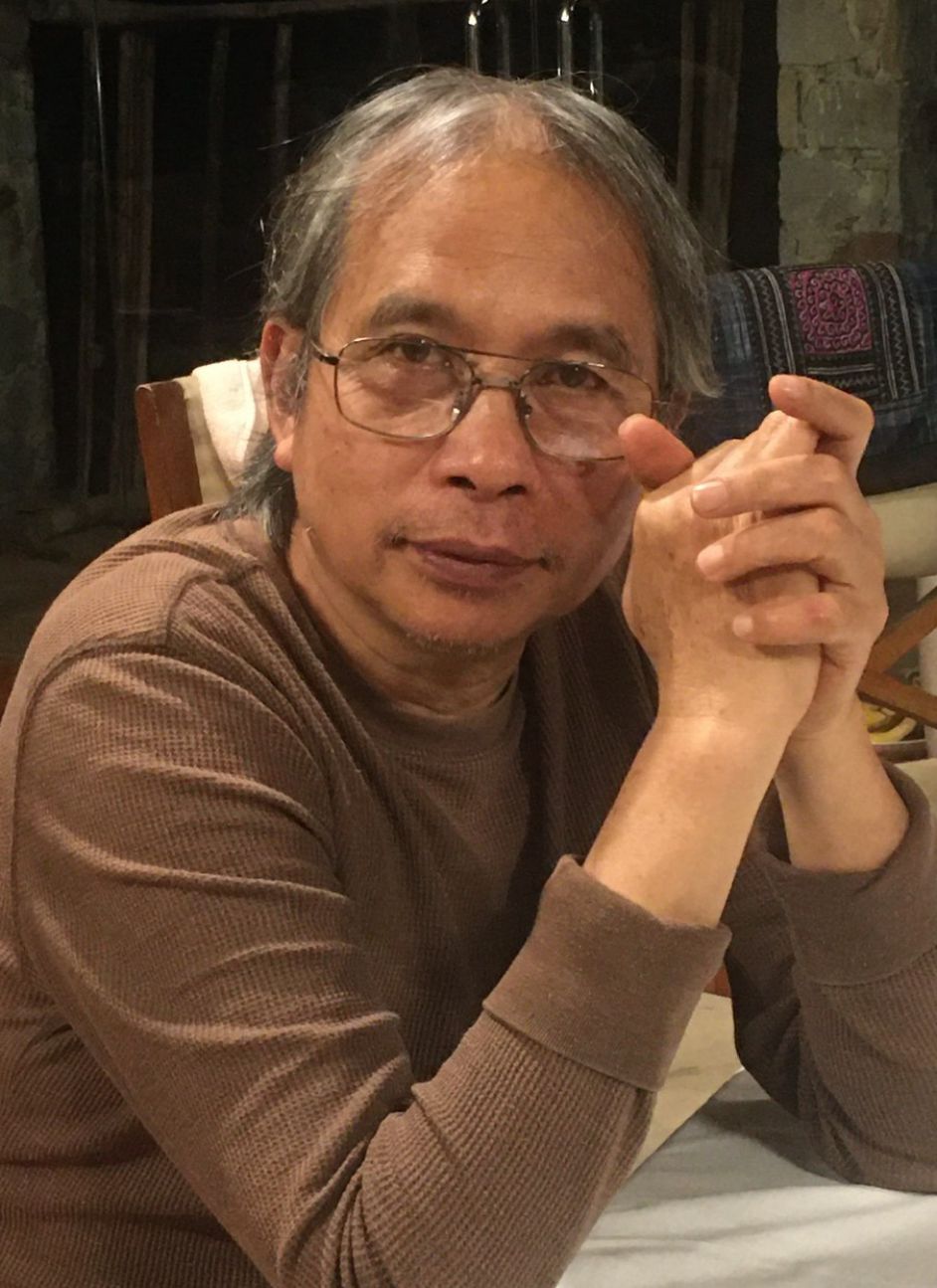
- Artist Phung Quoc Tri
Painter Phung Quoc Tri was born in 1957 in Hanoi, studied Fine Arts Intermediate course 1971 - 1976 and the first year of Vietnam College of Fine Arts (Vietnam University of Fine Arts today) course 1978 - 1983. He graduated with a major in oil paint, Surikov Academy of Fine Arts, Moscow (1980 - 1986), currently living and working in Bac Ninh.
As someone who chose to live in the countryside from the early days of returning to the country, and only focused on the rural theme throughout his creative journey, Phung Quoc Tri made a strong impression with realistic paintings imbued with the simple, honest, and profound soul of the countryside.
When global trends take place along with freedom of thought, professional level and the foundations that create artistic talent are also similar, the issue is how to maintain our identity while absorbing the cultural and artistic quintessence of the world.
The big change in Vietnamese fine arts comes from individuals, a few truly talented people - a few artists of artists. They are strong enough to convince other artists, thereby creating a popular and strong art movement.
The personal factor is very important, but what is important is where that individual comes from? If there is no existing fine arts foundation of many generations, there will never be such an individual. First of all, there must be a continuous fine arts foundation, going in the right direction, arousing creativity among the majority of artists. This requires many generations.
But there is one thing, even if you study, go abroad, visit museums, have broad knowledge, have orientation... your unique personality is still very necessary. A painting scene can give birth to many talented painters, among talented painters who have a profession - looking at their works, you still see that it is "painting that gives birth to painting" (a foreign art researcher once said: "There are two types of paintings (works) one type is painting that gives birth to painting and one type is painting that gives birth to life") - that is, their paintings are created from the influence and collection from paintings by other painters.
While there are painters, maybe they don't go here and there, don't watch much, don't go deep into learning and absorbing a lot of fine arts knowledge of humanity, the paintings they paint mainly from their own lives - in contact with the natural world, what is close to them with a rich inner world and unique aesthetic ability - contribute more to the world of art, with their own unique colors.
The good thing in the core of Vietnamese culture is that it exudes kindness, gentleness, not ostentatious, violent, not promoting material strength in a sophisticated, extreme way. Looking at the architecture, the statues of Tay Phuong pagodas or Thay pagodas, you can see that the character, proportion, and measure in the shaping of our ancestors reach the level of scholarship while still not lacking the inherent persuasiveness.
If we understand and deeply understand this, we will feel "happy" living in those values, rather than having a feeling of inferiority compared when placed next to the cultures of other countries.
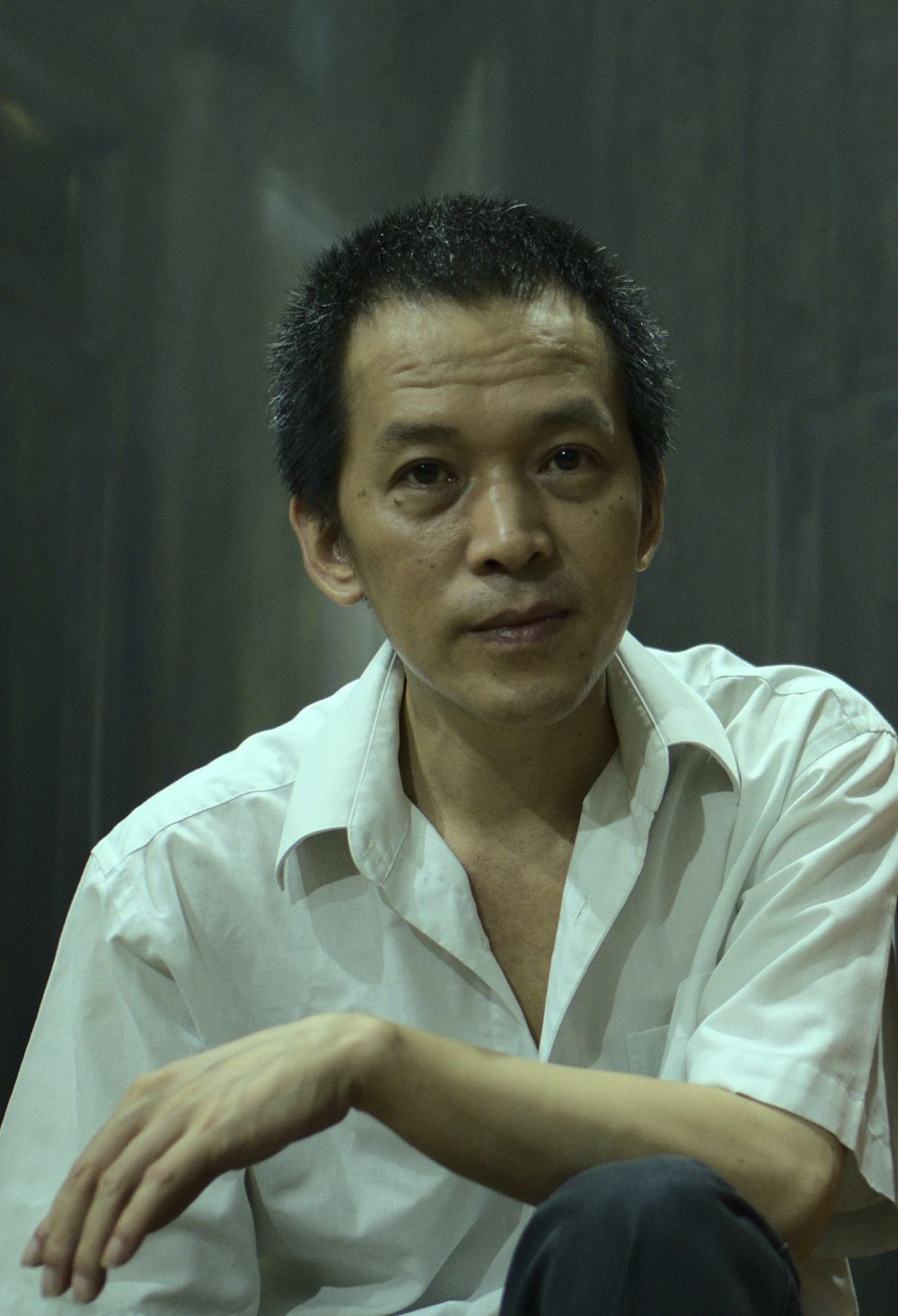
- Artist Tran Viet Phu
Artist Tran Viet Phu was born in 1973, native of Bac Ninh, graduated from Vietnam University of Fine Arts in 1998.
As someone who focuses on creation, has a clear view of art, Tran Viet Phu's paintings exploit simple, close but potentially vibrant everyday elements. He is also a painter who "dared" to give up his forte of detailing details and light - which is a strength in his realistic drawings - to aim for painting compositions with filtered details, and increasingly loose and liberal brushstrokes.
There are things that are true but cannot be explained, for example, for ethnic groups that are considered simple or semi-open, when they still maintain their living environment or vision (possibly limited, isolated), their art is very strong and has emotional power. When their eyes are widened, suddenly that strength is almost completely destroyed. Such cases clearly make us think. Maybe when they understand a little more, they become flustered, confused, and no longer easily reveal the natural part they have.
Personality in 20th-century art, for example, is often exaggerated, ostentatious, to make an impression. When people try to do so, it is no longer their personality, but an image applied from the outside: It can be attractive, engaging but cannot avoid unnaturalness and artificiality.
I also hope that Vietnamese art will develop more, because the relatively young generation of painters now has many talents. Compared to our generation in the past, in terms of technique they grasp more quickly. As for whether an individual creates influence and attracts a large number of painters, perhaps there will be a few noteworthy faces - with personality, possibly wise or "blind" in work, convincing others - but also in innocence and sincerity.
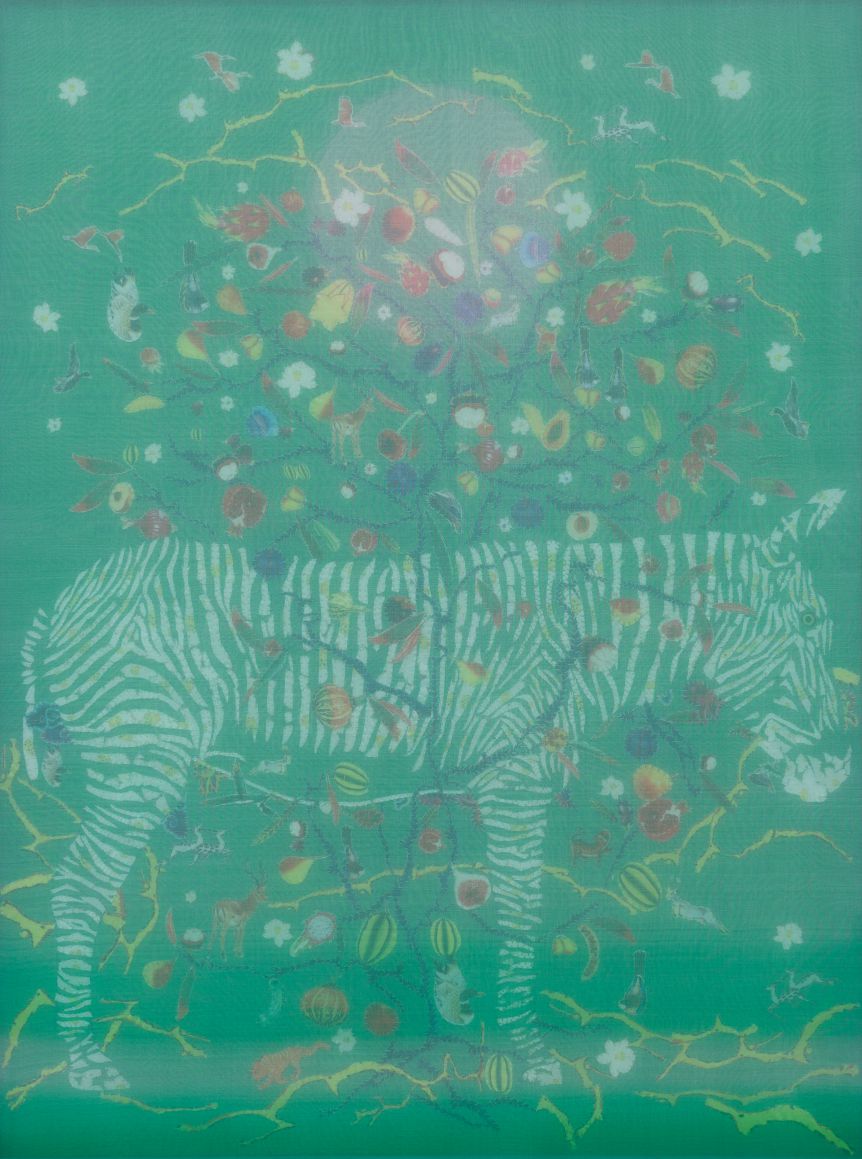
- Artist Doan Van Toi (1989)
Artist Doan Van Toi was born in 1989 in Hai Phong, graduated from Vietnam University of Fine Arts in 2017.
Doan Van Toi's practice is inspired by nature and Buddhist life, an "alienated" self-experiment, suggesting balance in both life and art.
Artists need a vision of life, not borrowing some external energy to impact (from the daily information they receive) to reflect frustration or express immediate resistance.
Art has a larger mission, requiring artists to be tỉnh táo in recognizing the relationship between personal capacity and social needs and the progress of the times.
Artists in Vietnam, people often think they must be absentminded, drink alcohol, do many unwanted things.
often... But it is those things that make their lives unstable.
Only when the artist does not take the outside as a measure, reflect on himself, change himself from
inside, then art can change.