
The gap between qualifications and suitable jobs
Ms. Nguyen Thi Thu (38 years old, from Ha Dong commune, Thanh Hoa) has been an accountant for a garment company in Viet Hung ward (Hanoi) for nearly 10 years. Right after the Lunar New Year 2026, the company cut staff, Ms. Thu quit her job and began her journey to find a new job.
Talking to Lao Dong Newspaper, Ms. Thu said: "I thought it was easy to get a job with experience and qualifications, but after going to a few places, I realized it was not simple. In particular, many places require personnel to proficiently use sales software and online application management. My qualifications do not meet the above requirements, so I was not accepted.
Ms. Nguyen Thi Thu also shared that the biggest difficulty for workers without in-depth skills like her is not lack of work, but lack of suitable work. Many businesses recruit large numbers of workers but detailed requirements on skills, working hours, overtime, and labor discipline make it difficult for everyone to meet.
This is a very typical story for the current labor problem. In Da Nang, records at the 2026 Job Fair organized by the City Department of Home Affairs in coordination with Dong A University recently showed that up to 209 businesses registered for recruitment, of which more than 100 units directly interviewed. The total recruitment demand at the fair reached more than 41,000 workers, ranging from unskilled workers to technical workers and engineers.
However, the number of candidates meeting the requirements is not large. This reflects a reality that the labor supply and demand of Da Nang city continues to be out of sync. There is no shortage of workers, but there is a shortage of workers suitable for the requirements of businesses, while the demand for general labor recruitment of businesses is very large, but the market does not supply enough.
Explaining this issue, Mr. Vu Quang Thanh - Deputy Director of Hanoi Employment Service Center said that the figure of 51.3% of recruitment demand in June in Hanoi focusing on the group with college and university degrees is a very clear signal showing that the capital's economic structure is strongly shifting to depth.
According to Mr. Thanh, the dominance of technology and automation is becoming increasingly clear. Companies and businesses in Hanoi are promoting digital transformation and AI application. Repeated, simple job positions that were previously replaced by machines. Businesses are willing to pay high salaries to recruit personnel with management and technology operation skills rather than recruiting many unskilled workers.
The period when businesses chased cheap, large-scale labor sources has passed. However, the issue of qualifications is not a decisive factor but the ability to fight. If workers do not proactively learn a trade and upgrade their skills to adapt, they will put themselves on the sidelines of the market and face the risk of long-term unemployment," said Mr. Vu Quang Thanh.
Strategic shift from "diplomacy" to "profession
At a recent working session with the internal affairs sector, General Secretary and President To Lam delivered a pivotal message for the human development strategy: It is necessary to strongly shift from training based on qualifications to training based on professions, skill standards and the actual needs of the labor market. In the context of the global economy shifting rapidly based on digital platforms and green technology, this is the solution to the chronic "bottlenecks" of the labor market, and is a guiding principle for Vietnam to realize its aspiration for sustainable development, turning population advantage into a long-term national competitive advantage.
General Secretary and President To Lam emphasized: "Assessing the quality of labor resources must shift from valuing quantity to valuing quality, efficiency of use and ability to contribute to labor productivity. Not only asking how many people have jobs, but also asking whether those jobs are formal, sustainable, productive and have high value; whether workers have skills, income, insurance, lifelong learning opportunities and career change or not? The final measure is job quality, human resource quality and the contribution of workers to national competitiveness.
Talking to Lao Dong Newspaper, Mr. Nguyen Van - Vice Chairman of the Hanoi Association of Supporting Industry Enterprises said: "The business community, including the Hanoi supporting industry business community, highly appreciates the issues of human resource quality raised by General Secretary and President To Lam. In my opinion, the fundamental issue is to change thinking, requiring the entire national education system, especially the vocational education network, to shift operating methods: from "training according to the school's available capacity" to "training according to business orders", taking skills standards and actual output results as the highest quality commitment".
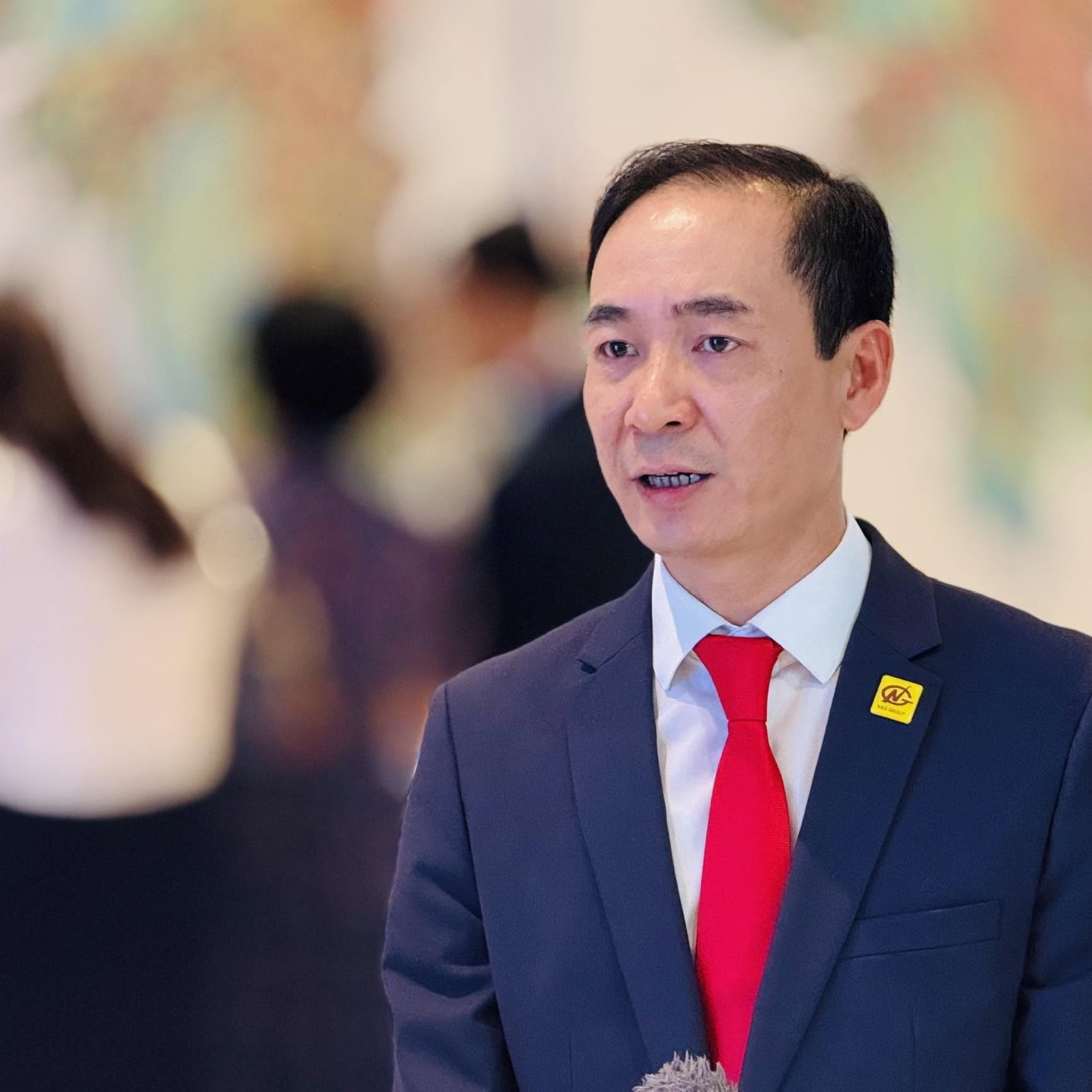
According to Mr. Van, functional agencies need to issue a master plan to allocate and determine the scale of industrial development space by locality and region, thereby restructuring and improving the quality of human resources. "We have high expectations for the National Human Resource Development Project and the modern labor market, which includes the content of reviewing the current status of labor quality. The request of General Secretary and President To Lam to build a map of labor and skill shortages by industry, region, and locality is very timely to solve the "bottleneck" of current human resource quality," Mr. Van said.
Reality shows that many students after graduation still lack practical skills, limit foreign languages, are not familiar with modern production lines, forcing businesses to retrain before using them. This is the gap between training and practical needs, requiring closer connection between schools, businesses and the community.
It is necessary to establish a sustainable cooperation mechanism between 3 parties: the State plays a policy-making role; the school undertakes training; businesses participate in using and accompanying in human resource training. This will be the foundation for forming a high-quality human resource ecosystem, serving the development of key industries, contributing to improving national competitiveness.
Nguyen Van - Vice Chairman of the Hanoi Association of Supporting Industry Enterprises.


