
On July 2, the Department of Home Affairs of Lam Dong province said that the whole province currently has nearly 1.9 million people participating in working in the economy.
Agriculture, forestry and fishery labor still accounts for the largest proportion with more than 53%. The service sector accounts for nearly 29%, while industry and construction account for about 18%.
According to the assessment of functional sectors, this structure reflects the development potential of high-tech agriculture and tourism in the locality. However, this is also a challenge when the labor shift to high value-added industries is still slow.
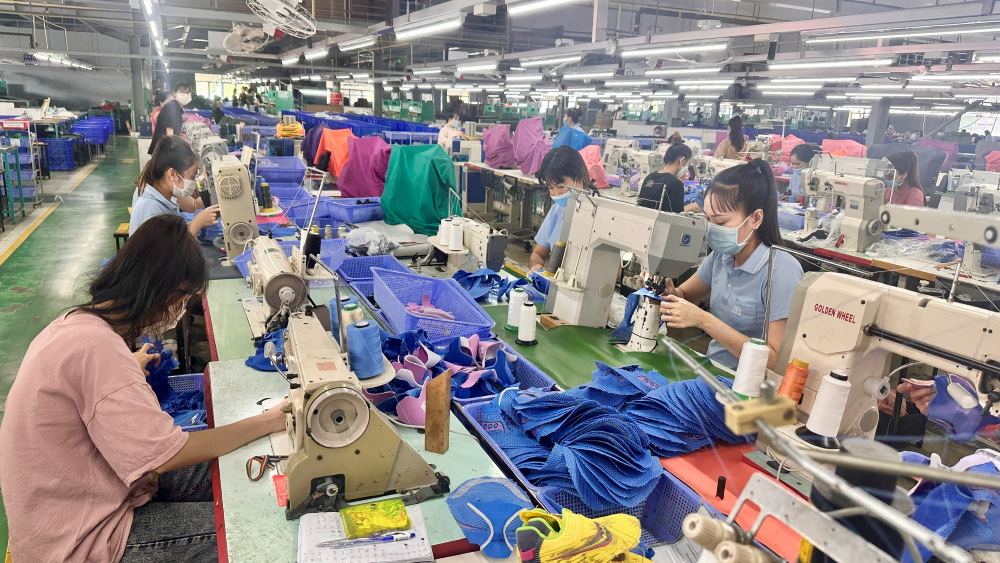
Currently, the whole province has about 35,000 businesses registered to operate, creating jobs for about 270,000 workers. The unemployment rate in the working age is 1.74%.
In recent years, improving the investment environment, attracting businesses and expanding production and business has contributed to creating more jobs and promoting the shift in labor structure in a positive direction.
Mr. Tran Duy Thanh - Chairman of Ham Kiem Commune Trade Union said that with the local characteristics of having 2 industrial parks, in the past time, many businesses investing and operating production and business in industrial parks in the commune have helped solve jobs for local workers.
Especially, there are businesses that recruit highly skilled and highly paid personnel. According to records, many businesses in industrial parks have continuously posted recruitment for workers in recent times to meet expanded production needs. Especially the garment and seafood processing industries.

Faced with the current situation of labor resources, the Department of Home Affairs also pointed out many issues that need to be resolved soon. The proportion of workers with degrees and vocational certificates has improved but is still low. Simple labor is still large, and vocational skills do not meet the requirements of the integration and growth model transformation process.
In addition, the gap in labor qualifications between regions still exists, while the process of labor migration after the merger of provinces makes the level of competition in the job market increasingly large.
According to the province's forecast, by 2030, the total labor force of the province will reach more than 2 million people, an increase of about 120,000 people compared to 2026.
To meet the requirements of the new development model, Lam Dong orients human resource development associated with digital transformation, innovation and development of the private economy and the state economy. At the same time, improve the quality of vocational training and build a modern and sustainable labor market.
This is considered an important foundation to improve labor productivity, attract investment and create growth momentum for the locality in the coming period.


