
Talking to a reporter from Lao Dong Newspaper, Meritorious Artist Kieu Minh Hieu - Director of the Vietnam National Drama Theatre shared artistic orientations, innovation efforts and expectations for the spread of spoken drama in contemporary life.
Sir, during this time, what activities has the Vietnam National Drama Theatre been and is organizing to celebrate the 14th National Congress?
- The Vietnam National Drama Theatre has received the direction of the leaders of the Ministry of Culture, Sports and Tourism, as well as the leaders of the Department of Performing Arts. In its functions and tasks, the Theater has prepared the most special programs and performances to perform, serving the celebration of the 14th National Congress of Delegates.
These programs are all performed for free to serve the public. Among them, the highlights are the art program "Uncle Ho - A Vast Love" at the Ho Chi Minh Museum (December 25, 2025 and January 25, 2026) and the play "The Rest" (January 10 and January 24, 2026) for audiences who love and cherish spoken drama.
In addition, the Theater also coordinates to implement security and order assurance tasks in the agency area, hanging banners and slogans to celebrate the 14th National Congress.
The play "The Rest" is considered a profound cut about the image of soldiers in the post-war period. In your role as director, please share about the meaning and message you want to convey through this play?
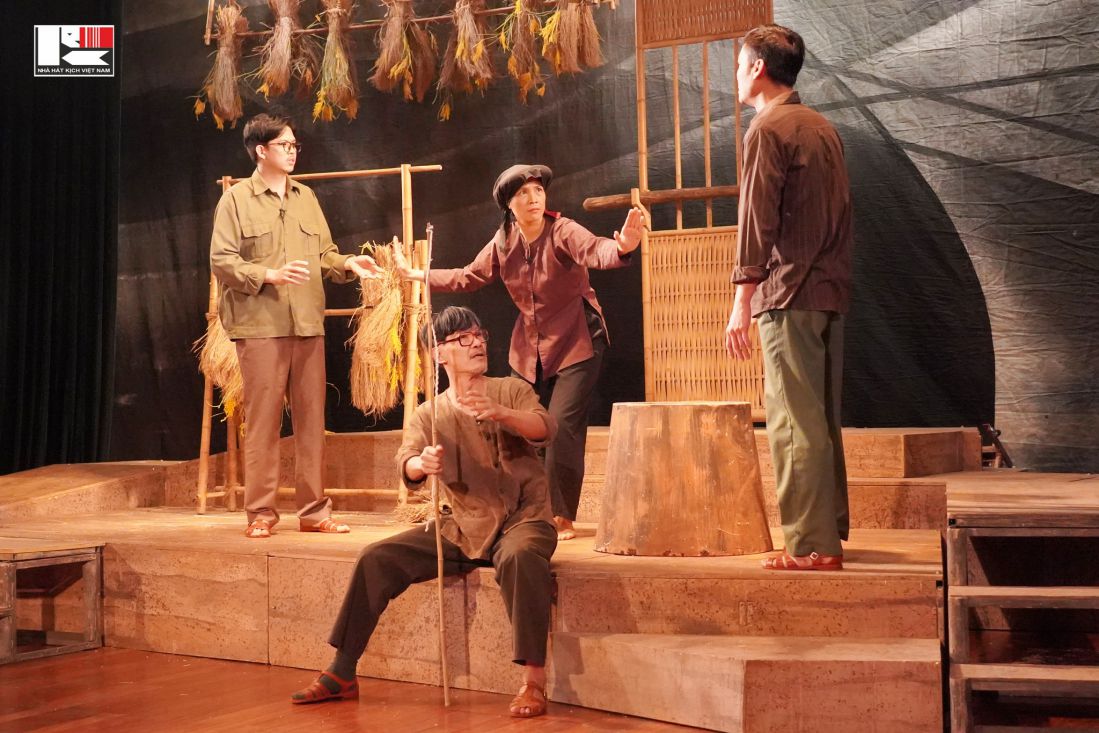
- "The Rest" is a play praising the image of Uncle Ho's soldiers after the war, depicting the pain and losses they have to bear. Through that, the play reflects how kind-hearted people treat each other before the pain of war, before the harshness of fate. At the same time, the adversity also highlights good people and beautiful deeds in post-war life.
For me, "What's Left Behind" is not only a work of art rich in humanity but also a deep voice of gratitude to history, to the generations of fathers and brothers who sacrificed for the independence and freedom of the nation. The play contributes to spreading the ideological values, revolutionary ideals and good traditions of the Vietnamese nation.
Through the play "The Rest", the Vietnam Drama Theater continues to affirm the role of the spoken drama stage in propaganda and ideological education, fostering national pride. At the same time, the play also practically contributes to the vibrant emulation atmosphere of the whole country towards the 14th National Congress of the Party.
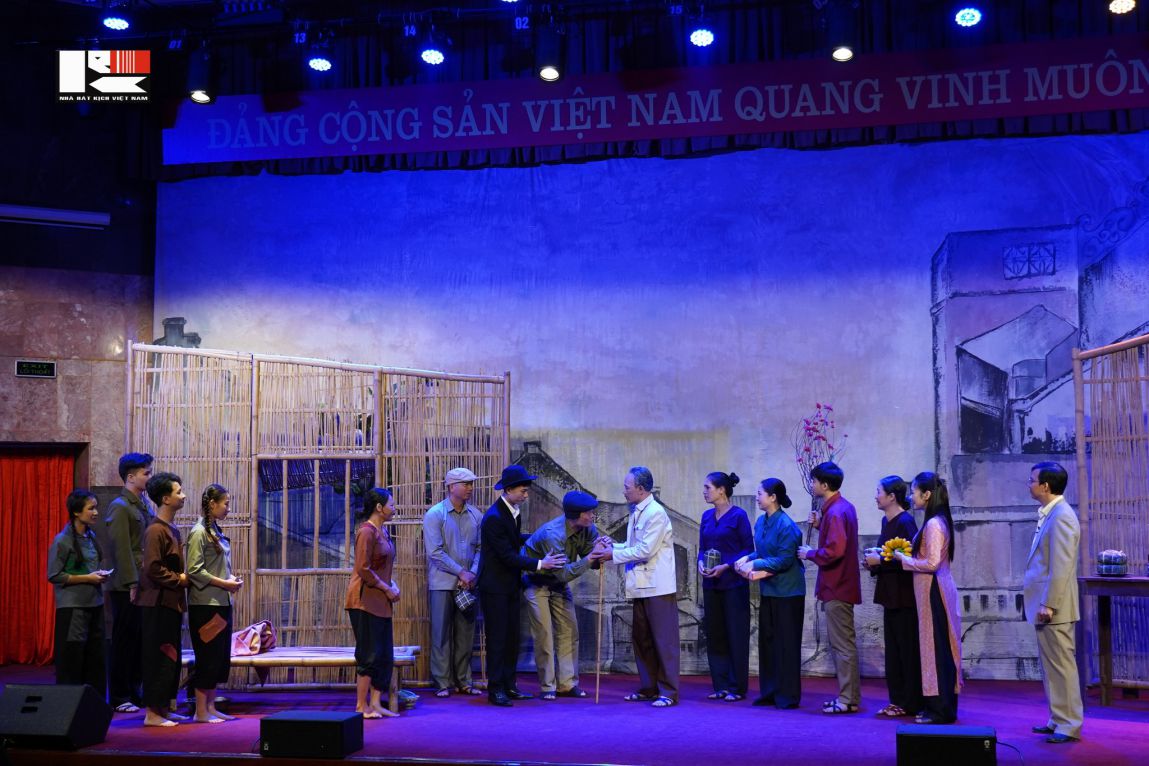
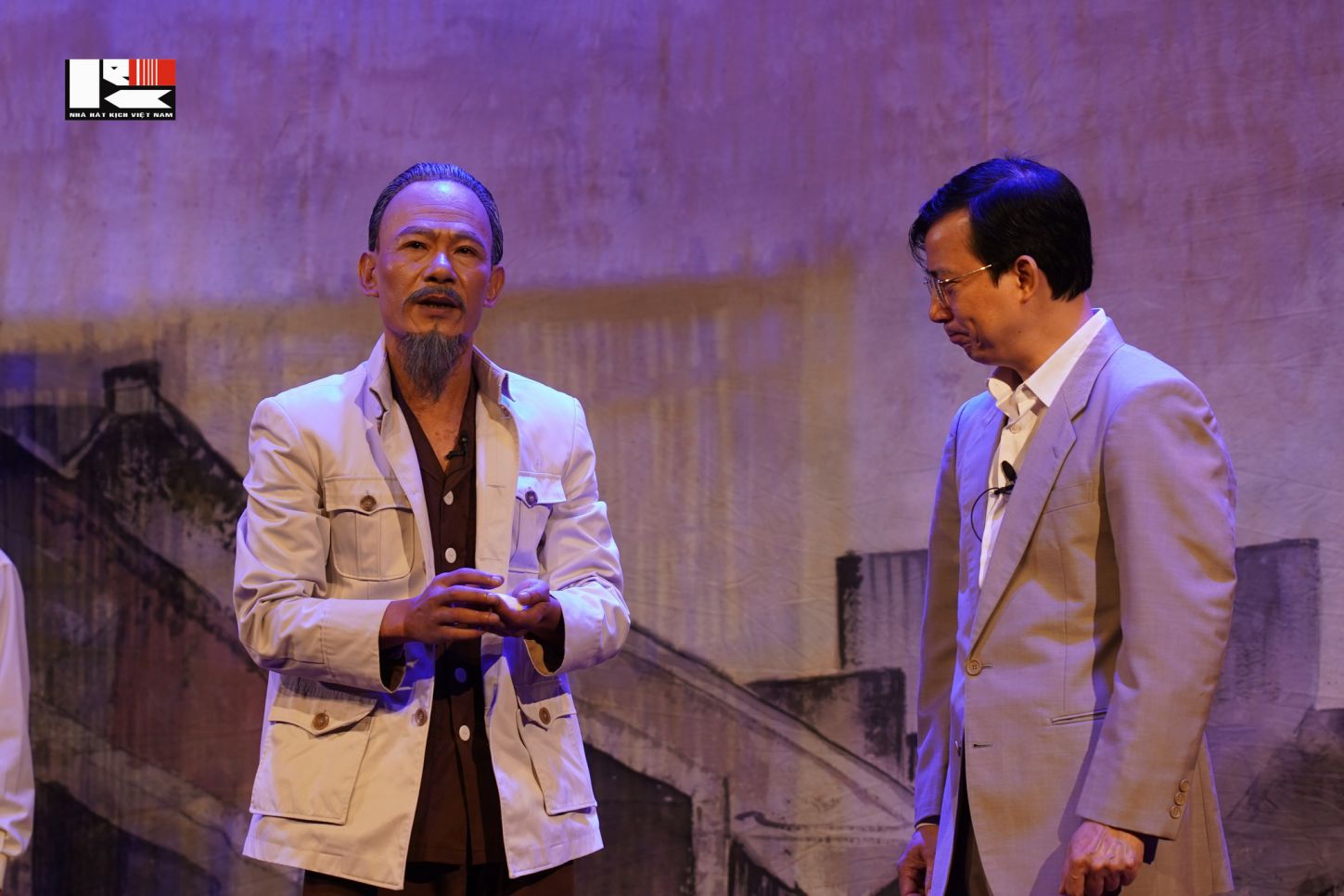
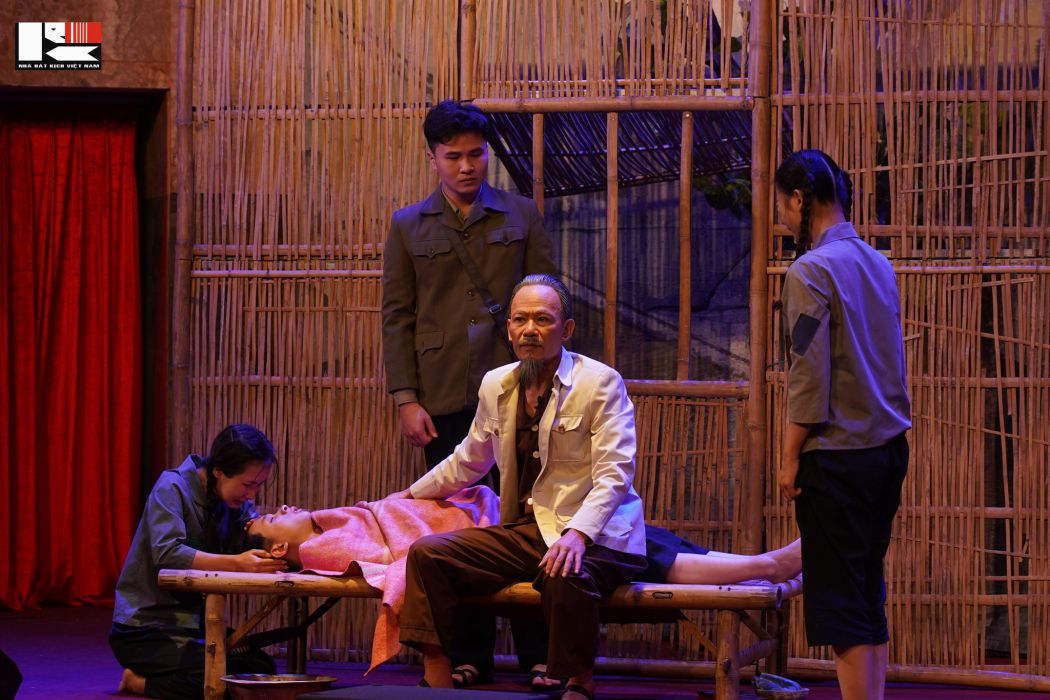
As for the program "Uncle Ho - A vast love", the Theater approaches the image of President Ho Chi Minh through short everyday plays. What is the significance of this expression in spreading Ho Chi Minh's ideology, morality and style, sir?
- From a stage perspective, when building the image of President Ho Chi Minh, we always aim for closeness and everyday life. The image of Uncle Ho is expressed through simple, rustic stories in life.
The program is a short series of plays revolving around the image of Uncle Ho, such as the story of national unity, about Uncle Ho's feelings for wounded soldiers and sick soldiers. Uncle Ho once said: "Wounded soldiers are disabled but not disabled", to encourage soldiers after the war, even if they are injured, they can still continue to contribute to society.
In addition, there is also Uncle Ho's feelings for the South, for each specific fate of the people. Through Uncle Ho's stories, words, teachings and feelings, his image appears very kind, close, and intimate like an old father, not a distant leader image.
Building the image of Uncle Ho on stage always requires very high caution and responsibility. What artistic and ideological requirements has the Theater set for the creative team and actors?
- The Vietnam National Drama Theatre has strengths and a long history of experience in staging works with the image of President Ho Chi Minh. However, when building the image of Uncle Ho on stage, the requirement for seriousness is always put first.
First of all, the shape and demeanor must exude the spirit of Uncle Ho. The purpose of building the image of President Ho Chi Minh is to spread the image, ideology, personality and grandeur of Him. Through that, the works also contribute to educating and reminding cadres and Party members to implement Directive No. 05 of the Politburo, "On promoting the study and following of Ho Chi Minh's ideology, morality, and style".
On the other hand, not every artist can take on and express the image of President Ho Chi Minh. Artists such as Minh Hai or Quang Dao of the Vietnam National Drama Theatre had to study very carefully about documentary images, voice, posture, gestures, eyes, especially Uncle Ho's warm feelings through very ordinary actions.
To show that, artists must practice with high intensity, research very deeply to be able to bring the image of Uncle Ho to the stage in a convincing way.
What is the public's reaction after the first night of the 2 programs, sir?
- The program "Uncle Ho - A Vast Love" was held in the morning at the Ho Chi Minh Museum, which is a very difficult time slot. However, the first performance still attracted about 200 spectators to watch.
Regarding the play "What's Left Behind" on January 10, the Theater opened online ticket registration and sold out in less than 2 minutes. Many audiences regretted that there was no more space. That is a welcome sign, showing the audience's interest and love for programs in particular and drama in general.
With positive feedback from the audience, I believe that the 2nd performance night of the two programs will also attract a significant number of viewers.
With a spirit of serious artistic labor, dedication and creativity, the artists of the Vietnam National Drama Theatre always want to bring valuable stage works, rich in humanity and aesthetics, bringing the audience the deepest emotions. Through this, viewers can feel and understand more clearly the good traditional values of Vietnamese people, and at the same time spread them to the community.
In the context of increasingly diverse entertainment life, what efforts has the Theater made to make political and historical plays still attract audiences and create empathy?
- Life today is very vibrant, many types of entertainment are rapidly appearing, especially on social media platforms. However, spoken drama still always has its own value, which is aesthetic value and educational value.
The topicality in plays never disappears. Viewers always realize that the issues raised on stage are still present in today's social life. Typically, although Uncle Ho has gone far away, Uncle Ho's advice has been for a long time, but those values have never been old, never lost their topicality.
Therefore, we are still proud to bring quality works that are well-invested, valuable, in-depth and enthusiastically received by audiences. That is also the way spoken drama exists and has its own place in the hearts of the public.
In the coming time, what are the orientations of the Vietnam National Drama Theatre for building works associated with political, revolutionary, and historical themes?
- The topic of political theory, revolution and history is always a pillar in the artistic orientation of the Vietnam National Drama Theatre. This is not only a political task but also a professional responsibility of the artist for history and society. In the coming time, the Theater will continue to select and invest in staging works with clear ideological content, deep humanistic values, and at the same time focus on innovating the language of expression to be more suitable for contemporary life and the psychology of today's audiences.
We determine that maintaining political orientation must go hand in hand with improving artistic quality. Only when the work has depth, emotion and persuasiveness can the stage truly spread historical and revolutionary values, contributing to fostering national pride and consolidating public trust.
What do you expect from the spread of the programs and political plays of the Vietnam National Drama Theatre in the atmosphere of the whole country towards the 14th National Congress?
- Through political programs and plays, the Vietnam National Drama Theatre hopes to contribute to widely spreading the good ideological, historical and cultural values of the nation in social life. Not only stopping at welcoming the 14th National Congress of the Party, the works also aim to foster trust, arouse patriotism, sense of responsibility and aspiration to contribute in each citizen, especially the young generation.
Through the spoken drama stage - with emotion, humanistic depth and close approach - political messages will be convincingly conveyed, contributing to creating social consensus and a positive atmosphere with the country entering a new stage of development.
It's a bit of a bit of a bit of a bit of a bit of a bit.


