
Bright spots and solutions to the waste problem
At 11:30 pm one night in mid-November 2025, in an empty lot on Tran Trieu Luat - Hoa Phu 10 street (Hoa Khanh ward), the ward police patrol team discovered a truck retreating into a landfill, preparing to dump construction waste. Just a few minutes later, the vehicle was stopped, and the driver was invited to the headquarters to work. That is not an isolated case, but one of dozens of cases of illegally dumping rubble discovered in a short time in the ward.
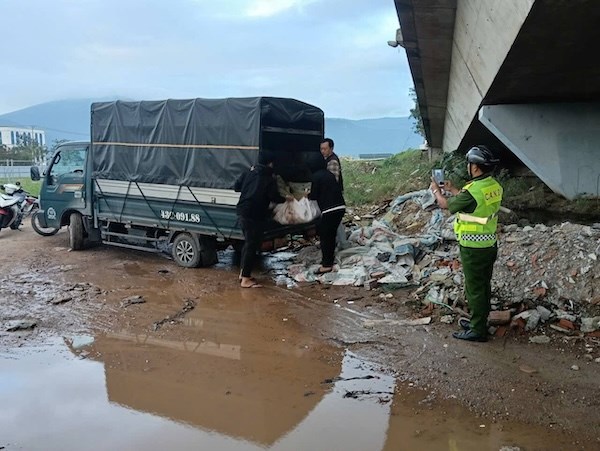
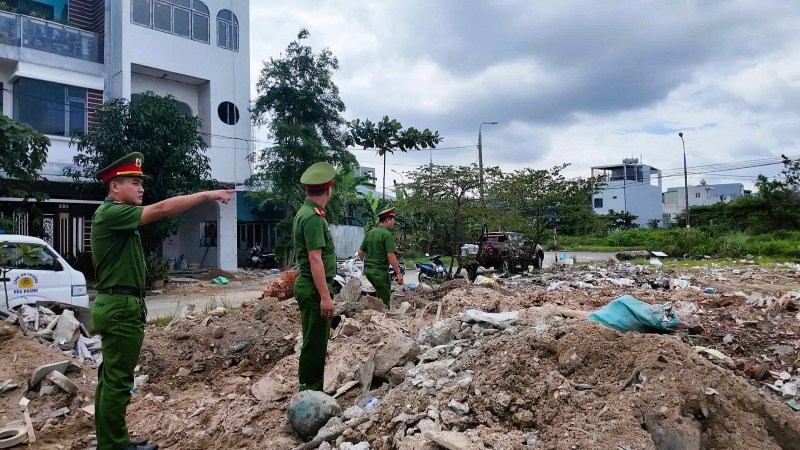
According to reporters' records, many localities in Da Nang have changed their approach. Instead of launching campaigns in batches, environmental task forces are maintained regularly, sticking to the area 24/7 in areas that have been reported as "hot spots". Patrol combined with ambushes helps detect violations early, handle them immediately when garbage has not yet been piled up.
Along with people, environmental sanitation surveillance cameras are installed on deserted roads and vacant lots. Cameras not only support catching red-handed, but are also a basis for "cold" fines. An official of Hoa Khanh ward said: "When they know there are cameras, many subjects no longer dare to take risks as before.
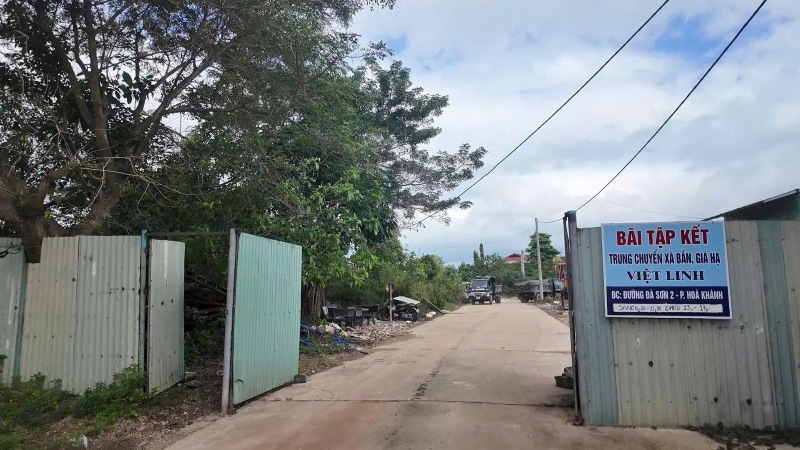
In addition to patrols and ambushes, Hoa Khanh ward arranges a land area at the end of Da Son 2 street as a legal slum gathering point. Since this point was established, the number of thefts has decreased significantly. Lieutenant Colonel Ho Duy Linh, Deputy Head of Hoa Khanh Ward Police, said: "Maintaining the urban environment is a regular task. We strictly handle violations, and may even consider criminal responsibility if there are sufficient elements.
Investigating the "source of waste"
According to the Da Nang Department of Agriculture and Environment (NN&MT), many cases of illegal dumping originate from high treatment costs, long distances from collection points, or lack of legal gathering places for scrubs and construction waste. If only increasing fines does not solve this problem, waste will still find "shortcuts".
From there, the city has directed localities to review and propose locations as construction waste transfer points, publicly so that people and transportation units know and comply with regulations.
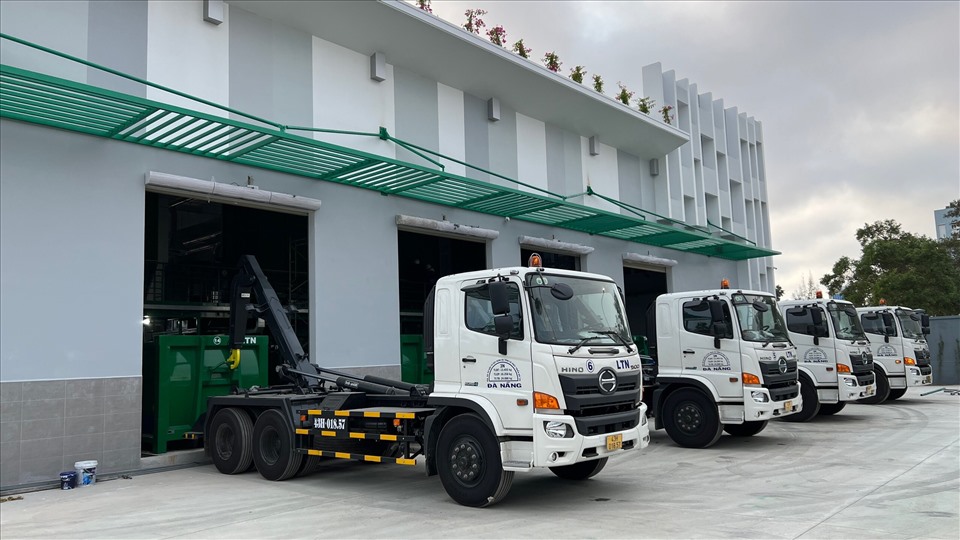
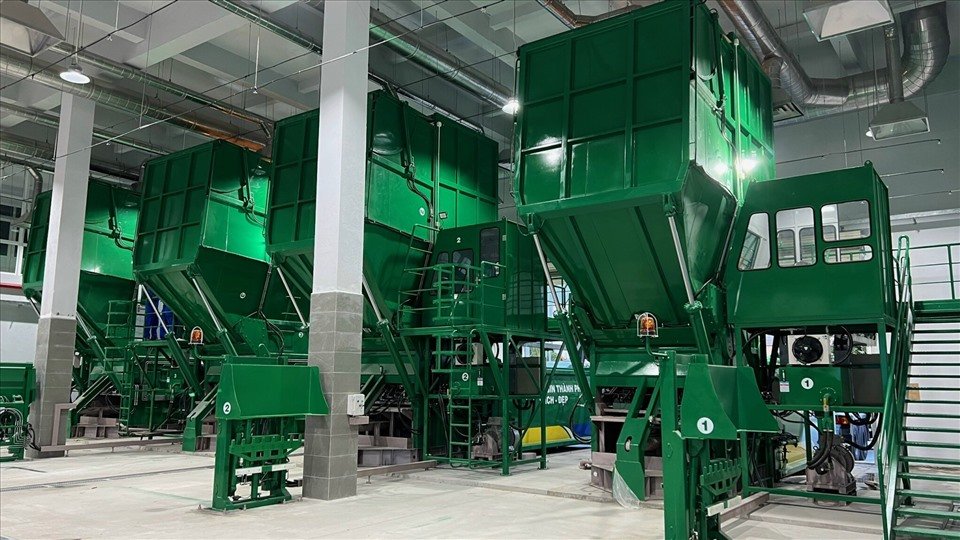
Mr. Nguyen Truong Son - Deputy Director of the Department of Agriculture and Environment of Da Nang City said that the transshipment points after being agreed upon will be added to the city's solid waste treatment plan, and at the same time publicly announced. "When there is a legal and convenient landfill, any act of dumping outside the planned scope will definitely be strictly handled," Mr. Son emphasized.
According to Mr. Nguyen Thai Binh - Vice Chairman of Da Nang City People's Committee, the city is completing a Project to improve the capacity to collect, transport, and treat domestic solid waste, orienting to limit landfilling and prioritize modern technology. When the treatment system operates stably, the risk of "blockages" - where garbage is congested and then illegally discharged - will be significantly reduced.
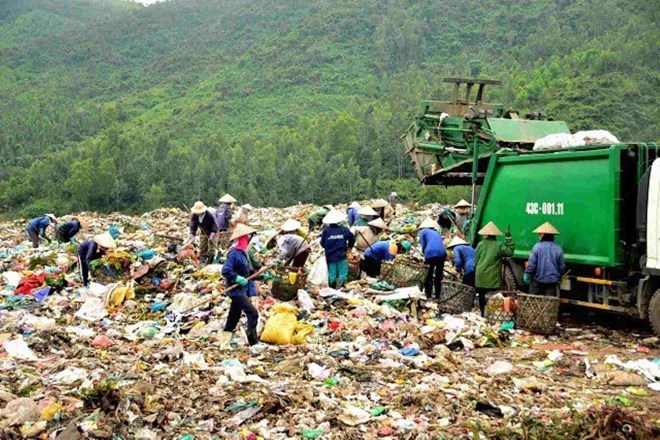
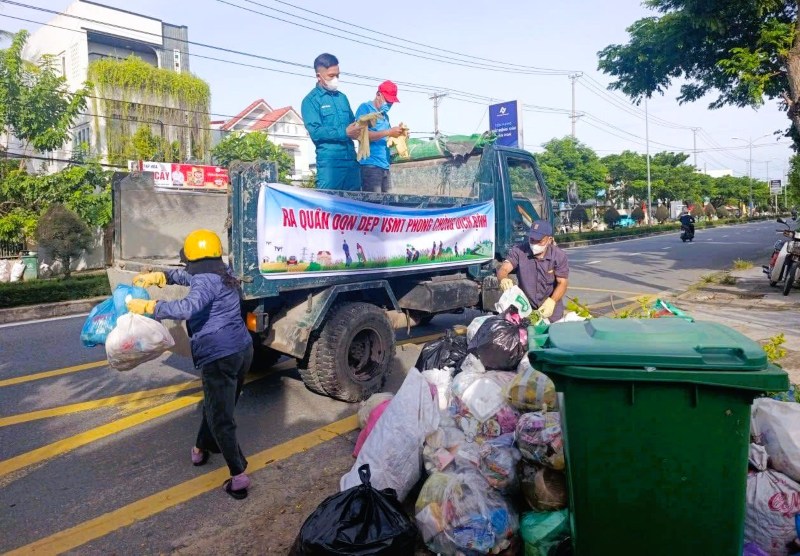
Another important step is to clearly define the responsibility of the source of waste. For construction waste, not only sanctioning people who directly dump it illegally, but also considering the responsibility of the project owner and transportation unit if waste is discharged in violation of regulations. For domestic and industrial waste, the collection - transportation - treatment chain is required to be managed more strictly, avoiding the situation of "breaking" and pushing waste into the environment.
Besides sanctions and infrastructure, the role of the community is considered a sustainable "block". Models of "residential areas without garbage", "civilized roads", "Green - Clean - Beautiful Sunday" are being replicated. People not only participate in cleaning up, but also proactively reflect early on the act of illegal dumping. Reality shows that wherever the community agrees, "hot spots" are difficult to survive - Da Nang leaders emphasized.


