People are confused, workers are struggling
According to the 2020 Law on Environmental Protection, from January 1, 2025, domestic solid waste will be sorted at source (each household) and then collected, gathered, and transported.
Although it has been in effect for more than 1.5 years, according to a survey by reporters in Can Tho City, this work has not been implemented synchronously and thoroughly, some people classify it based on feelings, while most are still vague.
Ms. Nguyen Thi Kieu Loan (An Binh ward, Can Tho city) said that her family does not know how to handle special types of garbage such as old batteries and light bulbs. Moreover, because they see that collection trucks often dump all kinds of garbage in one bin, people gradually reduce their self-awareness.
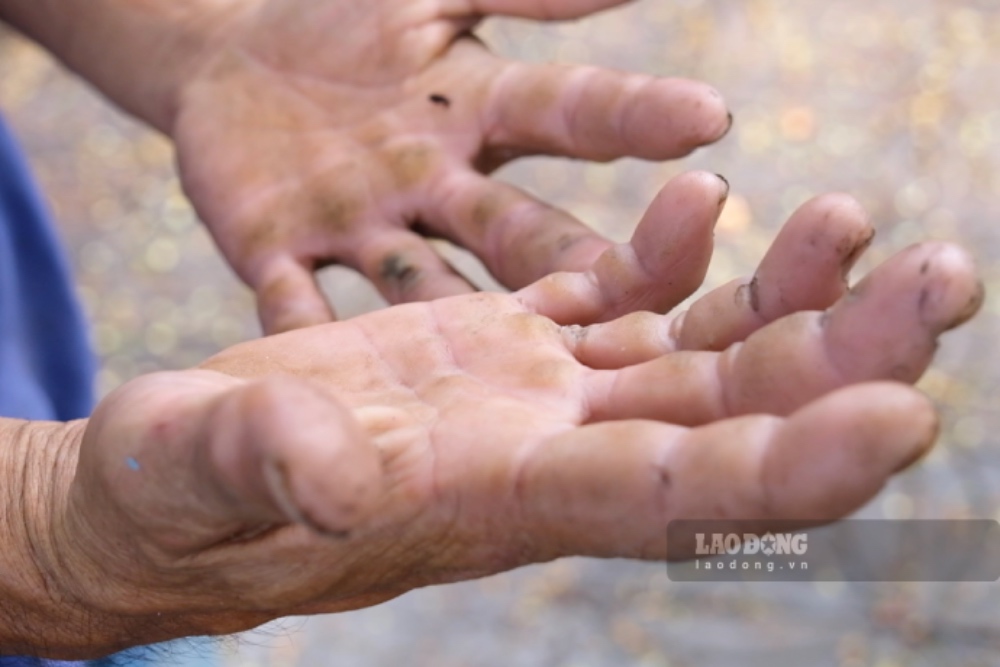
As an environmental sanitation worker in Can Tho, Mr. N.V.T (working on 30/4 street) - sadly said about having his hand broken by broken glass because people mixed glass items with ordinary domestic waste.
Not sorting garbage causing injury is one thing, but the risk of infection is our daily worry" - Mr. T. added.

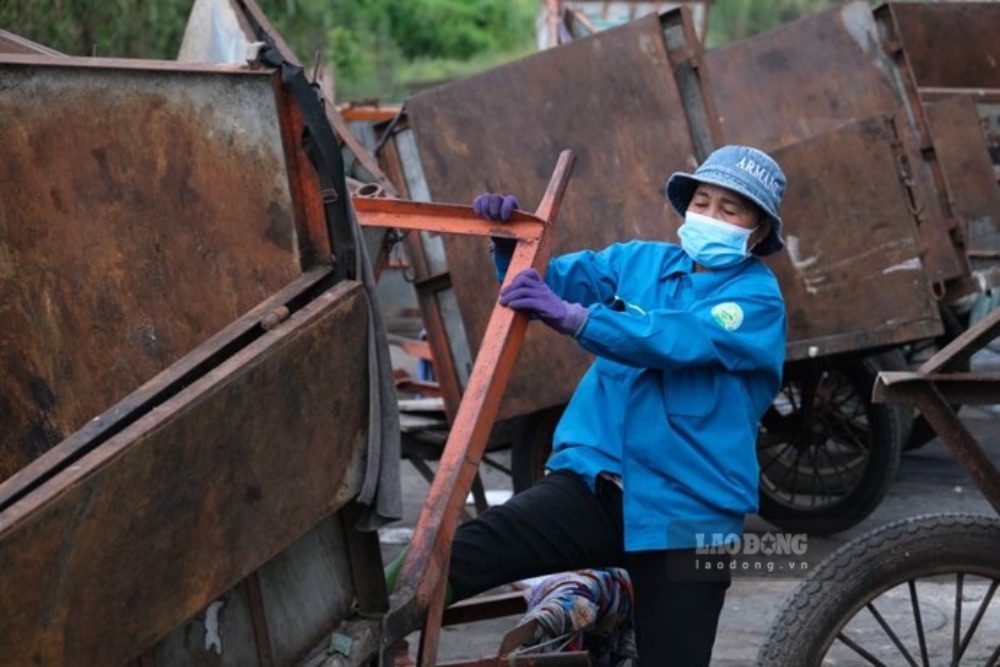
In the same situation, Ms. Tran Thi Thanh Thao (worker of Can Tho Urban Joint Stock Company) - said that most people do not sort garbage, causing the workload to increase many times.
Pressure from the amount of garbage keeps the collection force always overloaded, just a slight delay in collection is enough to receive feedback and complaints from people.
Continue to remove obstacles
Data from Can Tho City People's Committee, after the merger, the whole city currently has a total volume of domestic waste collected and treated daily from 1,200 - 1,712.95 tons. Waste sorting at source is being guided to be divided into 3 basic groups: recycled waste, food waste and other waste.
According to the Can Tho Department of Agriculture and Environment (NNMT), besides the achieved results, the classification of domestic solid waste at source in Can Tho faces some difficulties related to separate collection vehicles for each type of waste after classification that are still lacking; in some areas in communes and wards, the amount of waste after classification is still small, causing difficulties in arranging collection vehicles.
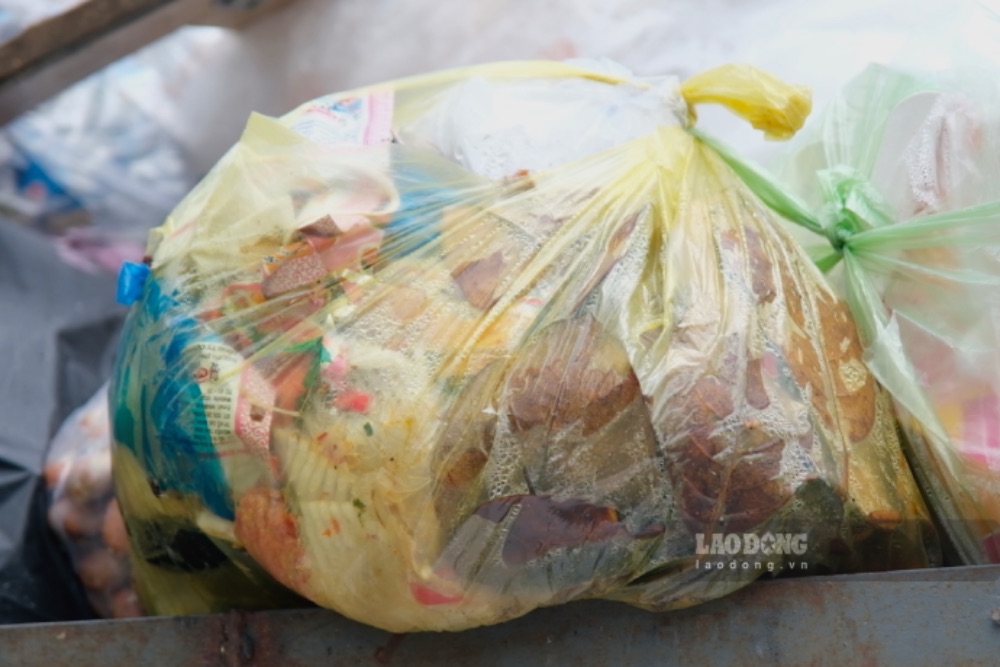
Along with that, organic waste and recycled waste after sorting are still mixed with many other components; the awareness of waste sorting of a part of the population is still limited, affecting synchronization and efficiency in implementation.
To remove difficulties, the Can Tho Department of Agriculture and Rural Development continues to improve relevant legal documents; closely coordinate with departments, agencies and localities to promote training and propaganda, ensuring that people understand and implement the requirements correctly.
On August 3rd, the Can Tho Electronic Information Portal updated information, the Department of Agriculture and Rural Development officially announced the hotline to receive feedback on environmental pollution.
Accordingly, the contents received include: information about organizations and individuals with acts of discharging waste (wastewater, solid waste, exhaust gas, noise) showing signs of environmental pollution; information about changes in the current state of environmental quality that may be caused by waste discharge; other information related to environmental pollution.
At Con Son Agricultural Tourism Cooperative (Binh Thuy ward), people keep fruit peels to compost as organic fertilizer for their gardens; collect plastic bottles. Mekong Silt Ecolodge Resort (Can Tho City) is a unit that well applies the model of classifying and treating organic waste strictly.