
After the heartbreaking murder that shocked many people in Dong Nai, many parents looked back at their own children's emotional lives with questions: Who are you in love with, how are you in love with and how much should parents intervene to both protect your child and not push your child away from family?
According to Psychologist Do Thi Hong Minh, NHC Vietnam Center for Human Development and Psychology, when children enter the age of love, what parents need to do is not to try to control their children's choices, but more importantly, to build a relationship that is trustworthy enough for children to be willing to share about the love of young people.

The more parents control, the easier it is for children to hide.
When discovering that their child is in love, many parents choose to check their phones, read messages, follow social networks or closely manage their children's relationships.
Break up immediately", "No more meetings", "Parents see and know that person is not good"... are sayings that may stem from worry and the desire to protect their children.

However, according to expert Do Thi Hong Minh, a direct and imposing approach sometimes creates the opposite effect.
When a young person is having emotional connections with their lover, parents directly attacking the other person can make the child feel that parents are denying their choice. From there, a countermeasures mechanism appears.
The more parents prohibit it, the more young people can find ways to protect the relationship. The more they check, the more children tend to hide it," the expert analyzed.
Instead of trying to know every message or control every appointment of your child, what parents need to care about is the quality of the relationship they are in.
Ask to open your heart instead of questioning
According to psychologists, asking questions is very meaningful.
Instead of constantly asking: "What did that person do wrong to you?", parents can start with their child's emotions.
How do you feel when you are with that person?", "Do you feel respected?", "Do you get to be yourself in this relationship?"...
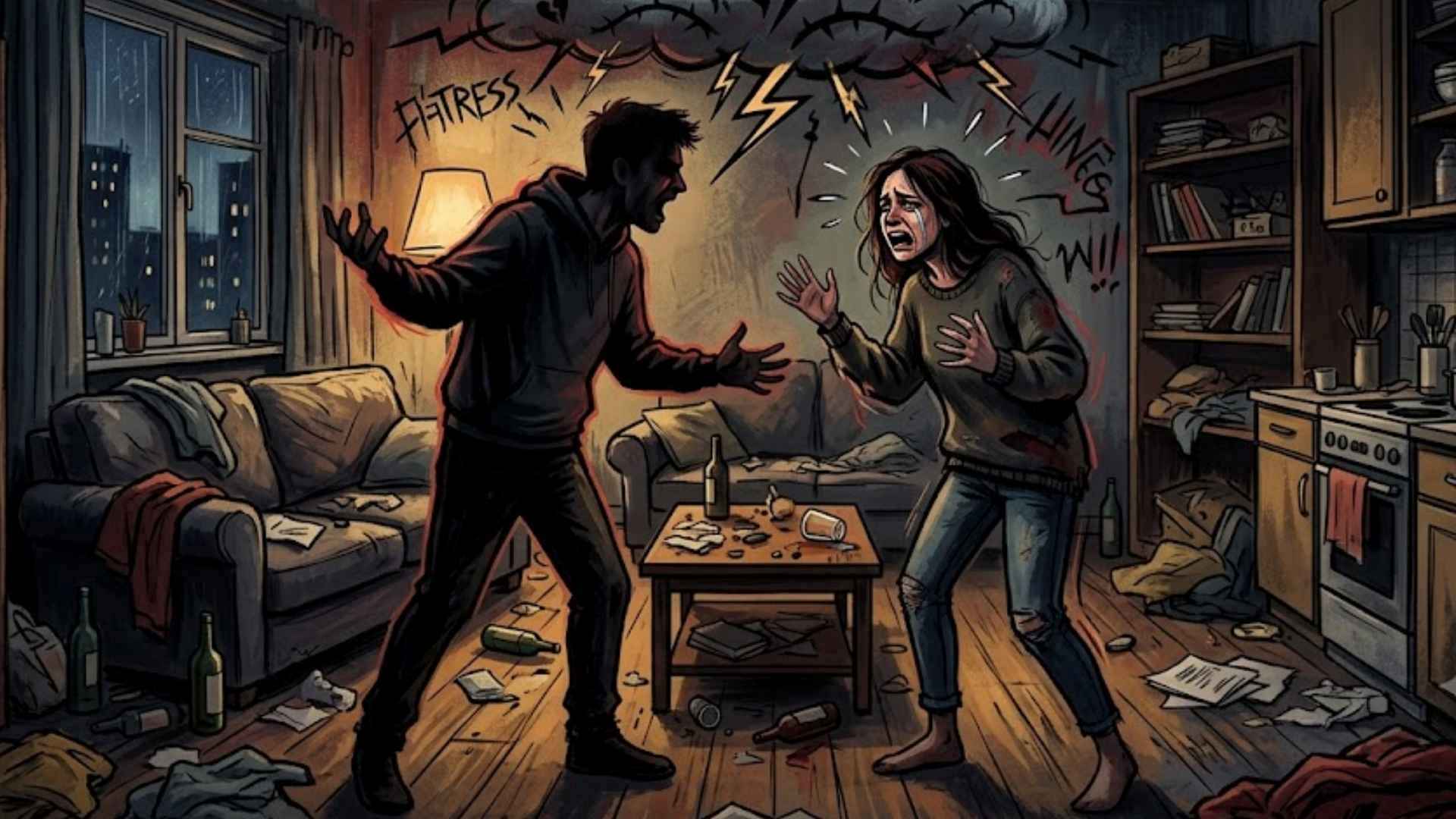
According to experts, such questions help young people observe and identify the overall picture, instead of just looking at relationships through love emotions.
Parents need to observe their children's changes.
Not all young people's relationships require family intervention. However, parents should pay attention when they notice unusual changes in their children.
For example, children gradually distance themselves from friends and family, are often stressed when receiving messages or calls from their lovers, and constantly have to explain where they are or what they are doing.
Some young people may start to give up social relationships, personal hobbies, or change their lifestyle just to avoid making their lover angry.
Besides, parents should also not turn their child's love story into a "trial". Another time parents need to pay special attention is when their child is heartbroken.
Many young people when rejected or broken up can fall into a state of sadness, insomnia, loss of appetite, crying or disorientation.
According to experts, what young people need in times of crisis is first of all a safe place to be listened to.
Parents can say: "Parents know this is very painful for you", "Just tell them", or "Do you want them to just listen or do you want them to find a solution with you?".
Sometimes, young people do not need immediate advice. What they need is the feeling of not having to face pain alone.
When emotions are more stable, parents should look back with their children at what happened, what that relationship brought, and what they can learn for future choices.
Because sometimes, the best protection is not in controlling where you are going, who you love, but in letting you know that even if you love, are wrong, are hurt or are in danger, you still always have a safe place to return to.


