
According to nutritionist Erin Hinga (USA), Vitamin C plays many important roles for the child's body. This nutrient participates in the formation and repair of cells, tissues, bones and red blood cells. Vitamin C also helps maintain the health of gums and blood vessels, supports the wound healing process and contributes to the normal functioning of the immune system.
Another benefit of vitamin C is to help the body absorb iron from food. Therefore, supplementing foods rich in vitamin C in your diet can help children have a more balanced diet.
Vitamin C needs vary with age. According to the recommended level stated in the document, children need the following amount of vitamin C per day:
Children 1-3 years old: about 15mg/day.
Children 4-8 years old: about 25mg/day.
Children do not necessarily have to achieve the exact amount of vitamin C every day. Parents can balance their diet for a few days or a whole week, instead of focusing too much on the amount of vitamin C in a meal.
Vitamin C deficiency is quite rare in children with a diverse diet. However, picky eaters who rarely use vegetables and fruits may be at risk of not receiving enough of this nutrient.
If parents are worried that their children are not provided with enough vitamin C, they should talk to a pediatrician to assess their diet and specific nutritional needs.
Foods rich in vitamin C
Vitamin C is abundant in fruits and vegetables. Some familiar foods that can be included in children's menu include: Guava, orange juice, broccoli, red bell peppers, kiwi, papaya, oranges, pink grapefruit, strawberries, cantaloupe, mangoes, tomatoes, boiled potatoes,...
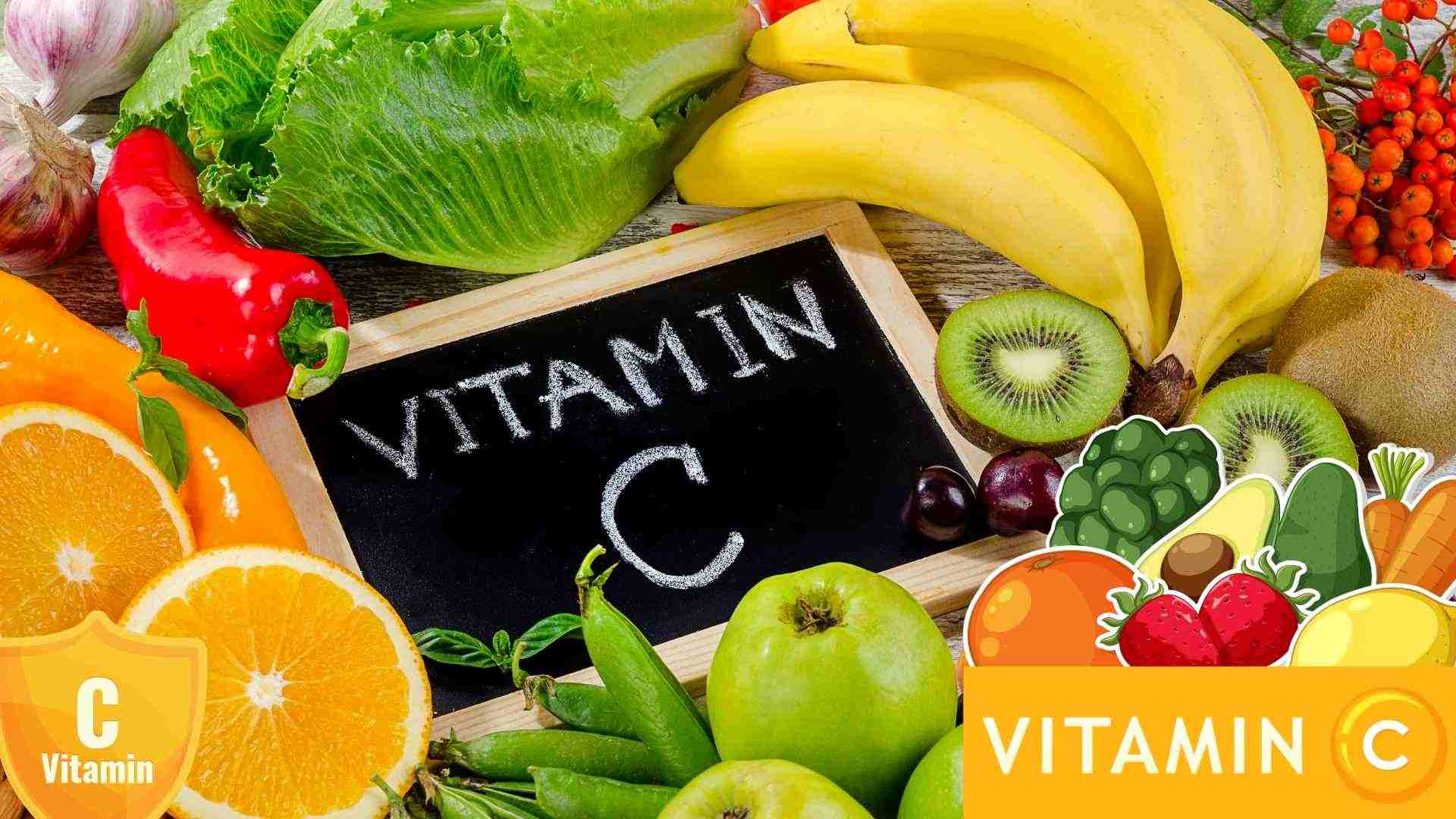
The actual amount of vitamin C can vary depending on size, food type and processing method. Parents can alternate many types of vegetables and fruits instead of just focusing on one food.
Vitamin C belongs to the water-soluble vitamin group, excess can be excreted through urine. However, this does not mean that children can use vitamin C at high doses without risk.
Supplementing too much vitamin C can cause some problems such as nausea, diarrhea, pain, or stomach irritation. Prolonged use of high doses can also increase the risk of kidney stones in some cases.
According to the limit mentioned in the document, children aged 1-3 years should not receive more than 400mg of vitamin C/day, while the limit for children aged 4-8 years is 650mg/day. Parents need to be especially careful with chewable vitamin pills for adults, because one pill can contain a high amount of vitamin C.
For most healthy children, a balanced diet can provide enough vitamin C and essential nutrients. Parents should not arbitrarily give children high-dose supplements without prescription or advice from a doctor.
Some children have limited eating preferences, especially only eating a certain group of foods and refusing vegetables and fruits. When this situation persists, parents may have difficulty ensuring children receive enough vitamins and minerals.
Instead of forcing children to eat, parents can try changing the processing method, incorporating fruits or vegetables into their favorite dishes and introducing each type of food in small quantities.
If the child has a diet that is too restrictive, growth is not as expected, or parents are concerned that the child is deficient in nutrients, they should take the child to the doctor for nutritional assessment. Supplementing vitamin C or other vitamins should only be done when there are recommendations suitable for the child's needs.


