
Recently, the Standing Committee of the Hanoi City Party Committee issued a decision to establish the Steering Committee for Cultural Development of Hanoi Capital. This is considered an important step to concretize the direction of building Hanoi into a civilized, modern city, harmoniously developing between economy and culture, and people.
According to the city's orientation in the coming time, Hanoi will continue to prioritize resources for three key areas including culture, education and health. In particular, in urban planning, the city requires clearly defining land funds for schools, medical facilities, cultural and sports facilities in all new urban areas and residential areas.
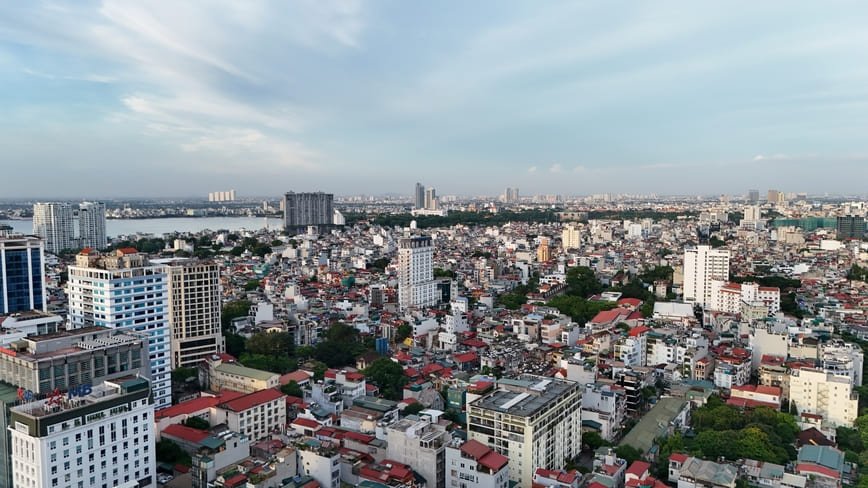
This policy quickly received the consensus of many people in the Capital, especially families living in urban areas with synchronous utility systems.
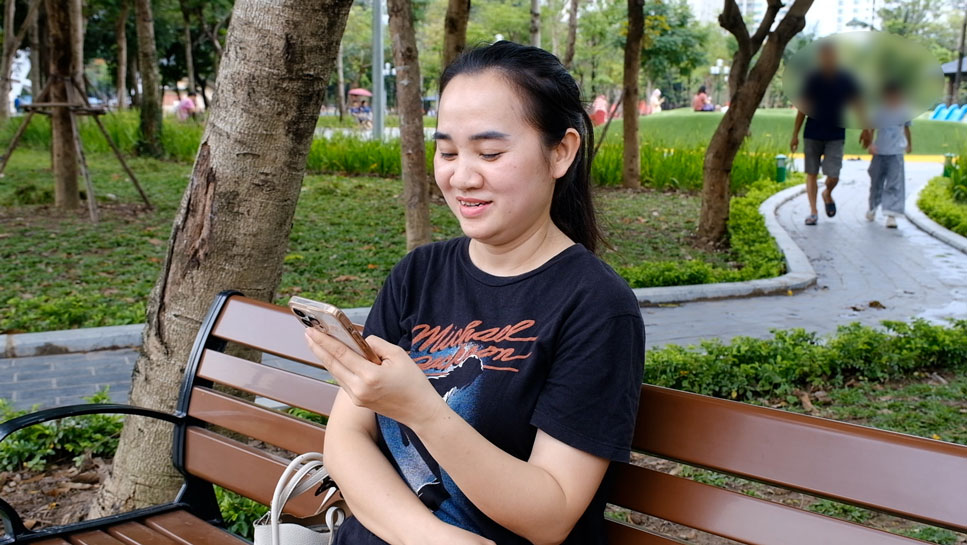
Having lived in Dong Ngac ward for many years, Ms. Vu Thi Hien (37 years old) said that her family chose the current residence because this area has full schools, clinics, children's playgrounds and community living space.
According to Ms. Hien, what people want when buying a house is not only beautiful roads or modern high-rise buildings, but also a truly convenient life. The policy requiring new residential areas to allocate land funds for schools, medical facilities and community service works is something people have high hopes for.
If implemented seriously and synchronously, this regulation will help families feel more secure when choosing a place to live. At the same time, it will contribute to reducing traffic pressure during peak hours when students no longer have to go to school too far from home as they do now," Ms. Hien said.
Sharing the same view, Mr. Nguyen Van Hung (30 years old, Phu Dien ward) said that the city's request for new urban areas and residential areas to allocate land funds for schools, medical facilities, cultural and sports spaces is a necessary policy to improve the quality of life for people.
A modern urban area not only has high-rise buildings or commercial centers but must also ensure full essential amenities to serve the learning, health care and community living needs of residents.
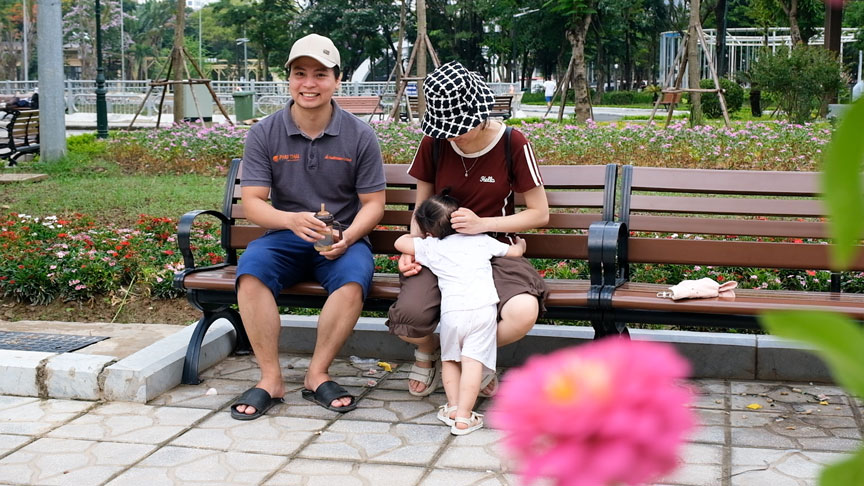
Not only parents or the elderly, many young people also appreciate Hanoi's synchronous urban development orientation. Mr. Le Thanh Cong (24 years old, Cau Giay ward) also believes that the quality of life of modern urban residents depends greatly on the ability to access essential services.
A livable residential area must have schools, medical facilities, community living spaces and sports playgrounds. In particular, having medical facilities near residential areas will help people more conveniently in medical examination and treatment, health care for young children and the elderly, especially in emergencies," Mr. Cong said.
Requiring new urban areas to fully arrange schools, medical facilities, cultural and sports facilities is considered an inevitable trend in the modern urban development process. This not only contributes to improving the quality of life for people but also limits the overload of schools and hospitals in the central area.
Many people in the Capital expect the new policy to be implemented more drastically and synchronously in practice. And when those projects are completed, not only will the urban appearance change, but a new development future of Hanoi is gradually opening up.


