Chia seeds
The omega-3 (ALA) content of chia seeds in 15 g is 5,050 mg, although small, it contains a very high amount of ALA, along with fiber, vegetable protein and polyphenols, beneficial antioxidants.
Research shows that chia seeds can help lower blood pressure, improve blood lipids, reduce inflammation and regulate blood sugar.
Flaxseeds
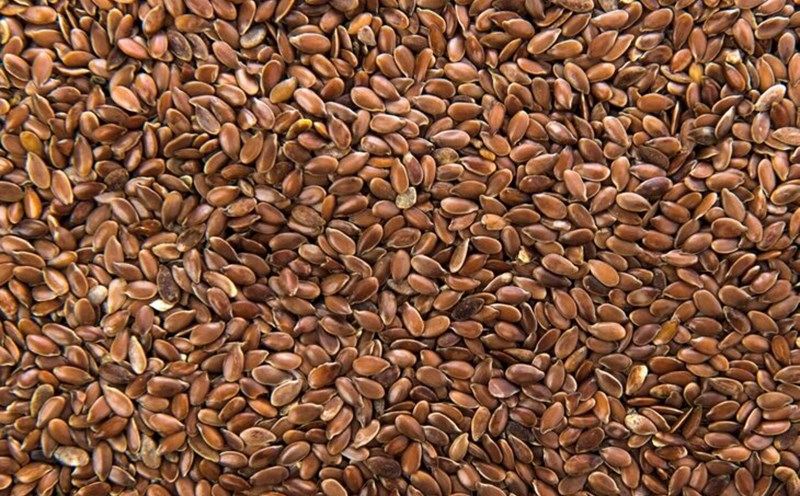
The omega-3 content of flaxseed is about 2,350 mg in 15 g. Flaxseeds are not only rich in ALA but also contain lignans, plant compounds that help balance hormones and fight oxidation.
Flaxseeds also help reduce LDL (bad cholesterol), improve digestion and keep blood sugar stable. You should use pureed flaxseeds or buy a pureed one to better absorb by the body.
Walnuts
The omega-3 content of walnuts is about 2,570 mg in 28 g. Walnuts are known for their cardioprotective benefits. Many studies show that eating walnuts regularly helps reduce total cholesterol, LDL and triglycerides.
They are also rich in ellagitannin, an antioxidant that helps reduce inflammation and oxidative stress, which is beneficial for the brain and helps prevent cancer.
Hemp seeds
The omega-3 content of hemp seeds is about 2,600 mg in 40 g. Hemp seeds contain a balanced ratio of omega-6 and omega-3, which helps reduce inflammation when combined with a healthy diet. In addition, they are rich in plant protein, fiber, vitamin E, and minerals such as magnesium.
Some studies show that hemp seeds aid digestion and improve constipation.
Vegetable oils rich in omega-3
The omega-3 content of flaxseed oil is up to 7,300 mg ALA in 1 tablespoon. Oils from flaxseeds, chia, hemp, rapeseed (canola) and soybeans all contain high amounts of ALA.
In particular, flaxseed oil is the highest concentration of ALA, while hemp oil has an omega-6:omega-3 ratio, ideal for health. However, these oils should not be fried at high temperatures; instead, use them in salads or smoothies.
How much omega-3 does the body need per day?
Although there are no official recommendations, most health organizations recommend:
ALA: 1.1 - 1.6 grams per day
EPA + DHA: 250 - 500 mg per day (from fish or supplements)
The body can convert ALA into EPA and DHA, but this conversion rate is very low. Therefore, if you do not eat fish, consider adding omega-3 from fish oil balls or seaweed.
If you are vegetarian or dont like fish, ALA-rich nuts and vegetable oils are a great choice. Although they do not contain EPA or direct DHA, they still have many benefits for cardiovascular health and overall health," said Dr. Sohaib Imtiaz, a medical expert at Harley Street Clinic, London, UK.