
Overweight patients may still be malnourished
Up to 50-80% of patients experience this condition during treatment, increasing the risk of complications, prolonging recovery time and affecting treatment effectiveness.
According to Dr. Hoang Viet Bach, Head of the Department of Clinical Nutrition, K Hospital, nutrition is no longer a simple supporting factor but has become an important part of the comprehensive treatment strategy for cancer patients.
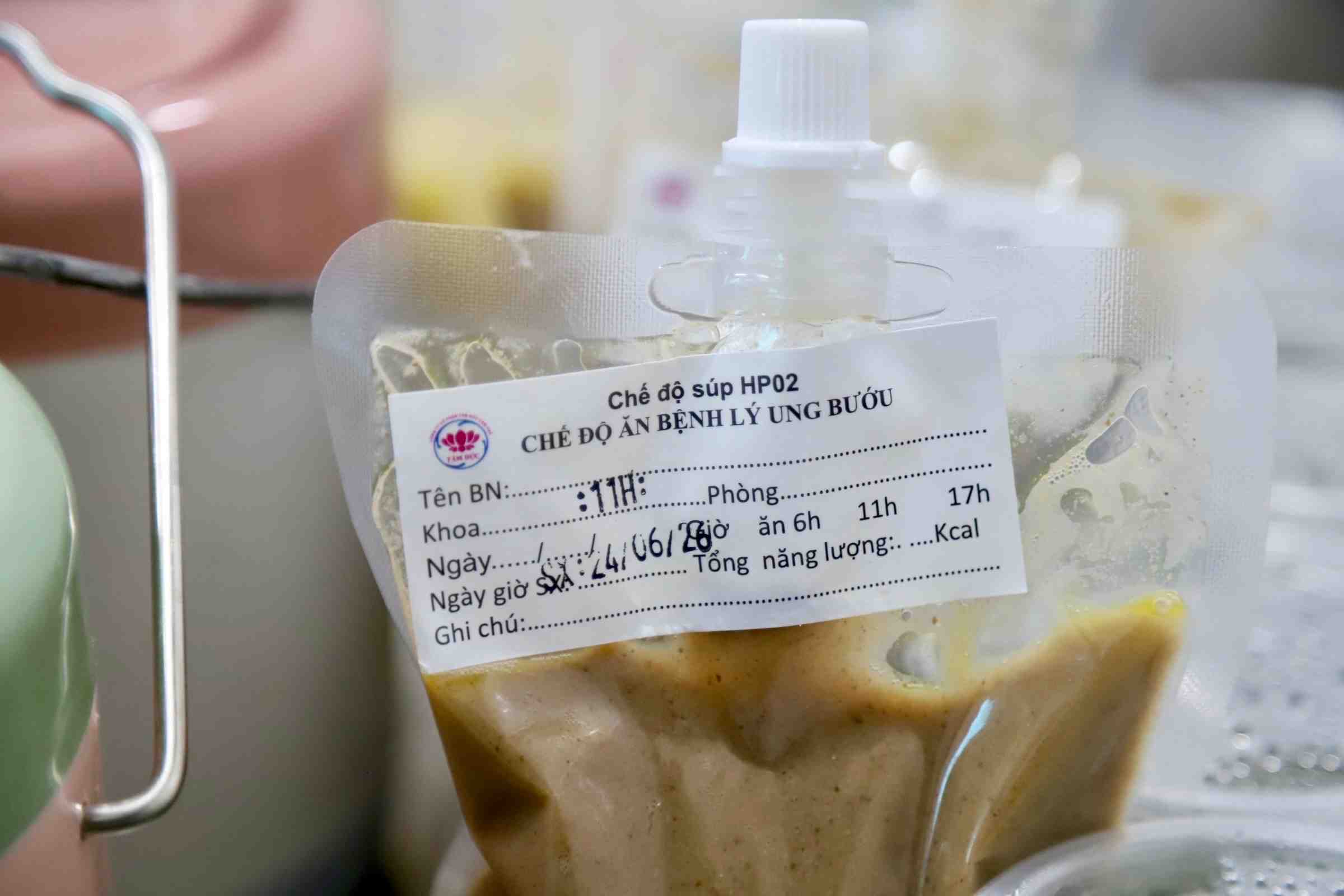
Many people mistakenly believe that malnutrition only occurs in weak patients. However, the reality is much more dangerous. Many patients, although still overweight or obese, have significantly lost muscle mass and muscle strength - a condition that is difficult to recognize with the naked eye but seriously affects their ability to fight the disease.
The risk of malnutrition appears in most cancer patients, especially cancer of the digestive tract, head, neck, lungs or advanced stages. Malnutrition makes it difficult for patients to respond to chemotherapy, radiation therapy, surgery, increasing the risk of infection, complications, prolonging recovery time, and even having to postpone treatment due to physical exhaustion.
Why are cancer patients prone to exhaustion?
Dr. Hoang Viet Bach said that malnutrition in cancer patients stems from many causes.
The tumor itself changes the metabolic process in the body, stimulates prolonged inflammatory reactions and causes the body to consume more energy than normal. Meanwhile, the side effects of chemotherapy and radiation therapy such as nausea, vomiting, loss of appetite, changes in taste or difficulty swallowing make patients eat poorly, leading to a lack of energy and protein.
Worryingly, many patients also make their condition worse due to misconceptions such as "eating a lot will nourish tumors", completely cutting off meat, fish, eggs or only eating macrobiotics according to word of mouth. These unscientific diets can cause patients to lose muscles faster and reduce their ability to respond to treatment.
Nutrition is considered a treatment
Recognizing the increasingly important role of nutrition, the Ministry of Health has just issued "Guidance on diagnosis and nutritional treatment for cancer patients" according to Decision No. 1768/QD-BYT.
According to instructions, patients need to be screened for the risk of malnutrition right from the time they are diagnosed with cancer, instead of waiting until they are thin and weak to start nourishing.
The goal is that all cancer patients are assessed for their nutritional status and built a diet suitable for each treatment stage, contributing to reducing complications, improving quality of life and improving treatment effectiveness.
According to Dr. Hoang Viet Bach, the coordination between treating doctors, nurses and nutrition experts helps build a comprehensive care plan, suitable for each patient instead of applying a common menu for everyone.
If patients only focus on specific treatment methods without paying due attention to nutrition. Meanwhile, if surgery, chemotherapy or immunotherapy are "weapons" to destroy cancer cells, then nutrition is the foundation to help the body be able to absorb these treatment methods.
Experts recommend that patients absolutely do not arbitrarily apply extreme diets or completely eliminate any essential food groups without a doctor's prescription. The menu needs to be diverse, balanced and prioritize energy-rich, protein-rich foods to maintain muscle mass and increase recovery.
If signs such as rapid weight loss, poor eating, prolonged fatigue or reduced muscle strength appear, patients should be assessed for nutrition as soon as possible. In addition, relatives also play an important role in accompanying, encouraging spirit and supporting patients to maintain a suitable diet.


