
Many people have experienced pain when walking fast and often think the cause is just fatigue, shortness of breath or lack of exercise. However, in many cases, the pain originates from a fairly common medical condition, which is flat feet, also known as flat feet. This is not a simple problem or excuse for walking slowly, but a factor that can directly affect daily walking and movement.
A flat feet (pes planus) is a condition in which the arch of the feet does not develop or completely shrinks when standing. In infants, a flat feet is a normal physiological phenomenon, because the arch of the feet usually only forms clearly when children grow up, around 5-6 years old. However, if the arch of the feet does not appear in adolescence, this condition can last a lifetime and cause many problems with exercise.
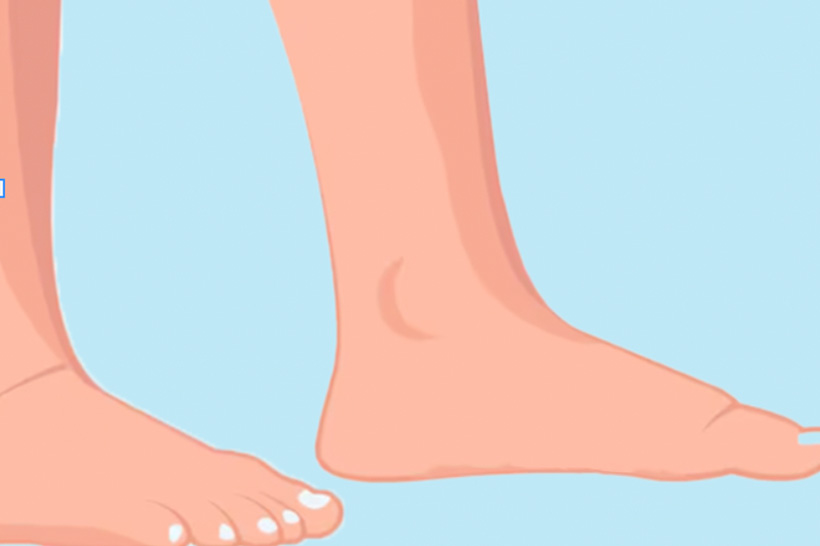
According to Dr. Yogesh K, senior consultant on sports injuries at Aster Whitefield Hospital (Bengaluru, India), the ankle arch plays a key role in absorbing force and maintaining balance when walking. When the ankle arch does not function properly, the foot must bear all the force from the ground, especially in high-intensity activities such as fast walking or jogging.
In people with flat feet, the feet tend to overturn when moving. This phenomenon is called overturning of the feet. When walking quickly, the impact force increases significantly, but because there is no ankle to distribute the force, the pressure will directly be applied to the soft tissues and joints," Dr. Yogesh K explained. This not only causes pain in the soles of the feet but can also spread to the ankles, knees and even the lower back.
Rapid walking requires longer strides, higher speed, and strong push from heels to toes. With flat feet, shock absorption is limited, causing joints and muscles to work harder than normal. Over time, this can easily lead to chronic pain and overload injuries.
Some signs that pain when walking quickly may be related to flat feet include a burning sensation in the soles of the feet, pain around the ankles, acupressure pain, or pain spreading to the forefoot and knees. In particular, pain often appears after exercise and gradually decreases when resting.
Dr. Yogesh K said that flat feet can be completely controlled if detected early and cared for properly. Patients should choose shoes that can support the perineum well, use appropriate orthopedic pads and regularly practice exercises to strengthen the leg muscles and ankles. At the same time, it is necessary to avoid wearing shoes that are worn or no longer supportive. If the pain persists, spreads or affects daily life, patients should go to a specialized medical facility for examination and timely treatment.
The information in the article is for reference only, not for medical diagnosis or treatment. You should talk directly with your doctor for accurate and appropriate advice to your health condition.


