
The hospital's first kidney transplant
On March 20, Children's Hospital 1 organized an information session about the first kidney transplant performed at the hospital. The patient is K.T. P (14 years old, Dong Nai), the kidney donor is her biological mother - Ms. N.T. P. V (39 years old, Dong Nai).
In June 2025, the child was admitted to the hospital in a state of facial edema, scattered bruises, urine volume 400 - 500 ml/day. Through examination, the child was diagnosed with end-stage chronic kidney disease of unknown cause.
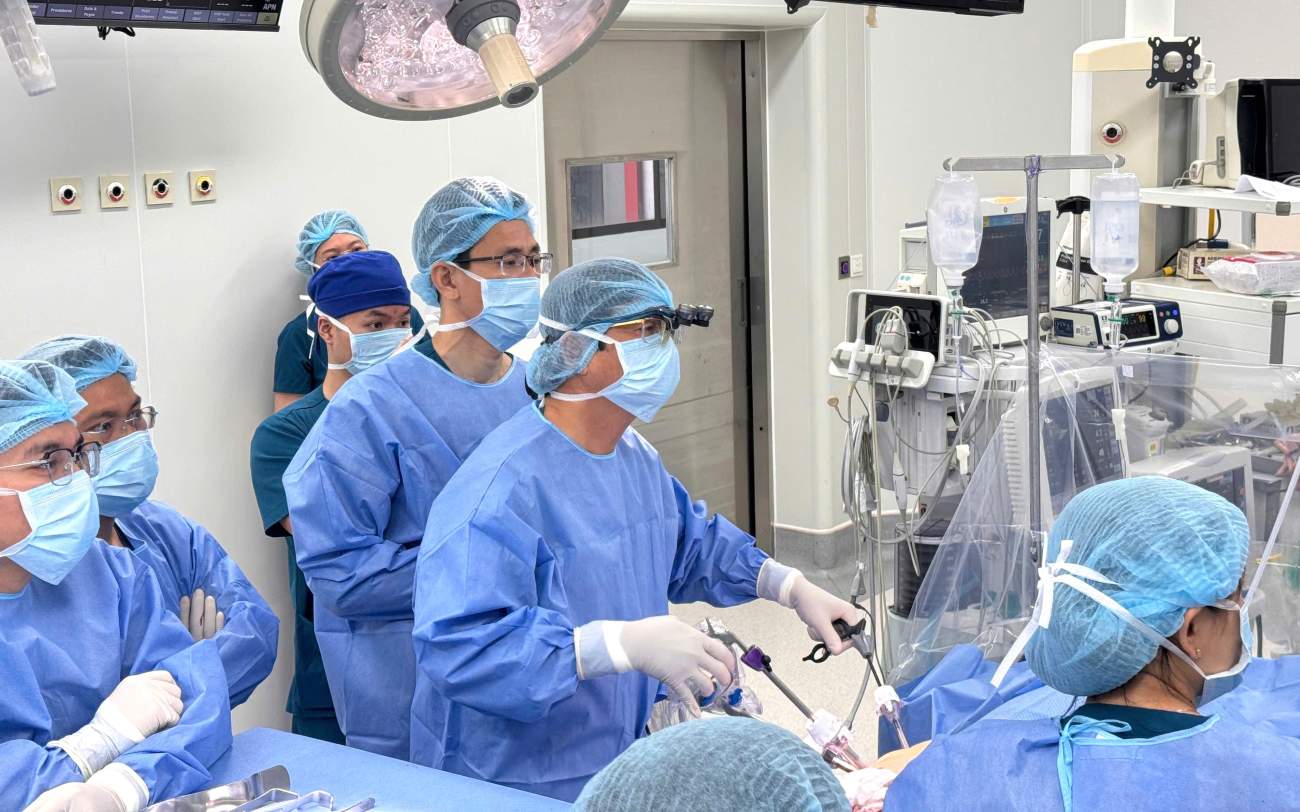
The patient was placed with a left cervical venous catheter for emergency hemodialysis. After that, the child underwent surgery to insert a peritoneal catheter in October 2025 and has undergone periodic peritoneal dialysis until now.
Previously, the patient had a thrombocytopenic hemorrhage when he was 4 years old, treated at a hospital in Dong Nai but kidney disease was not recorded. During treatment, he was transfused with red blood cells twice at Children's Hospital 1.
The kidney transplant was performed on March 5, 2026. The kidney donor was taken to operating room 1 and surgery began at 10:10 AM. The kidney recipient was transferred to operating room 2 at 10:00 AM, surgery began at 1:00 PM and ended at 4:30 PM, during the surgery, 6 units of concentrated platelets were transfused.

After surgery, the kidney donor was cared for in the Surgical Intensive Care Unit for 1 day, then transferred to the Nephrology - Urology Department for 7 days of monitoring.
The patient was cared for in the cardiac resuscitation isolation room, Department of Surgical Resuscitation for 4 days, then transferred to the kidney transplant isolation room, Department of Nephrology - Endocrinology for 8 days.
By March 16, the patient's health was stable and he was discharged from the hospital. Currently, the kidney function of the baby has clearly improved, the test indicators have almost returned to normal, and the mother's health is also stable.
Ms. N.T. P. V - the patient's mother - shared that before going to the operating room, seeing the magnificence and the large number of doctors, she was a little nervous, but that feeling was very small compared to the hope that the child would recover tomorrow and have a normal future like other children.
New step towards organ transplant center in the South
Doctor Nguyen Duc Quang - Head of the Nephrology and Endocrinology Department of Children's Hospital 1 - said that currently, the department has 31 children with end-stage chronic kidney failure. Among them, 25 cases are undergoing peritoneal dialysis, and 6 cases are undergoing blood dialysis.
Dr. Ngo Ngoc Quang Minh - Director of Children's Hospital 1 - said that this is the hospital's first kidney transplant, requiring many efforts despite careful preparation.
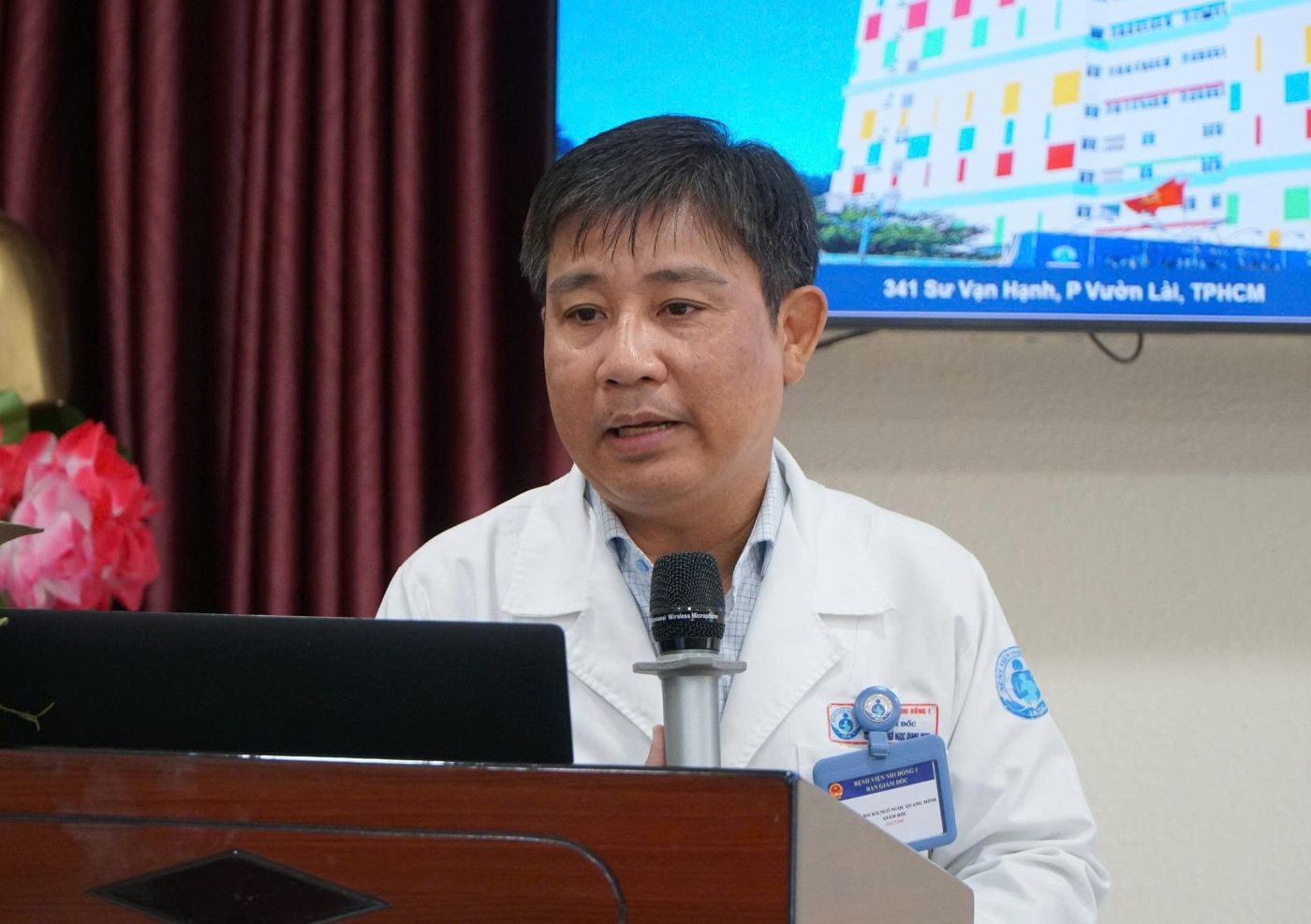
Although it was the first case and not easy at all, we are very happy that the transplant was successful. This result was achieved thanks to the great support from Cho Ray Hospital, along with the hospital's preparation in the past 2-3 years, including sending personnel to train and study systematically" - Dr. Minh shared.
From the success of this transplant, the unit expects to continue to routinely deploy kidney transplant techniques. In the coming time, with the support of units such as Cho Ray Hospital and major organ transplant centers across the country, Children's Hospital 1 expects to perform more cases, striving to become an organ transplant center of the Southern region in the near future.
Assoc. Prof. Dr. Thai Minh Sam - Vice Chairman of the Ho Chi Minh City Urology - Nephrology Association, former Head of the Urology Department of Cho Ray Hospital expressed his respect for the mother who agreed to donate a part of her body to save her child. Such noble gestures not only bring life opportunities for patients but also create conditions for medical staff to improve their expertise and keep up with world progress.
In Vietnam, the field of kidney transplantation in particular and organ transplantation in general is still in the development stage. However, if it is not further promoted, the risk of delay is real.
One of the current difficulties is the lack of donated organ sources, when most transplants still depend on living donors, causing limited development speed.
According to Dr. Sam, to promote this field, it is necessary to strengthen social mobilization and raise community awareness about organ donation, especially organ donation from brain-dead people. On average, a brain-dead donor can save 8-12 lives by donating many different organs. This is also a trend recommended by international medical organizations.


