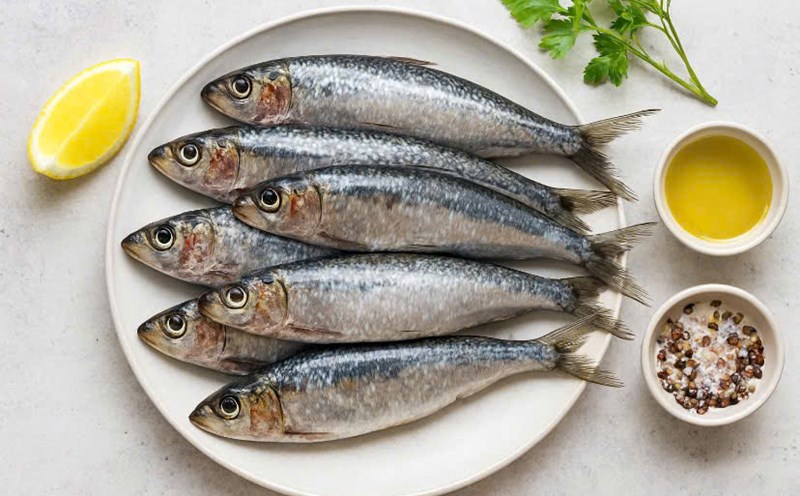
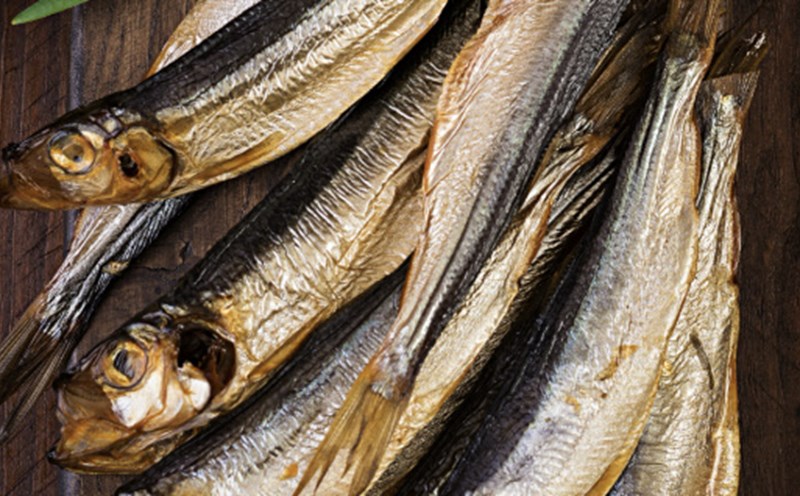
Sardines and tuna are two popular seafoods, often consumed in canned form. Both provide high-quality protein and long-chain omega-3 fatty acids such as DHA and EPA, which are beneficial for the heart and brain. However, the nutritional content between the two types is noticeably different.
Comparison of major nutrients
In a serving of about 85 grams (3 ounces), canned sardines provide about 21.1 grams of protein and 842 mg of omega-3. Meanwhile, light tuna provides about 24.7 grams of protein but only contains about 109 mg of omega-3.
This shows that sardines stand out for their omega-3 content, while tuna has a protein advantage.
Better type of omega-3
Omega-3, especially DHA and EPA, are fats that are beneficial for the heart and brain. These substances help improve blood fat, reduce the risk of arrhythmia and support anti-inflammatory.
Compared to tuna, sardines provide significantly higher amounts of omega-3, even many times higher in the same diet. Therefore, sardines are a suitable choice if the goal is to enhance cardiovascular and brain health.
More protein-rich type
Both sardines and tuna are complete protein sources, providing enough essential amino acids. However, tuna contains a little more protein.
Protein plays an important role in building and maintaining muscle, repairing tissues and supporting the immune system. Therefore, tuna is suitable for people who need to increase protein in their diet, such as athletes.
Risks of mercury and pollutants
Both sardines and lightweight canned tuna are considered to have low mercury content, which is safer than many other types of fish.
However, some large tuna species such as longfin or yellowfin tuna may contain more mercury. The reason is due to the biological accumulation process in the food chain, causing large fish species to accumulate more heavy metals than small fish.
Sensitive groups such as pregnant women, young children or the elderly should pay attention to controlling tuna consumption.
Suitable choices
The choice of sardines or tuna depends on nutritional goals:
Choose sardines if you need to supplement more omega-3, which supports the heart and reduces inflammation.
Choose tuna if you want to increase lean protein intake to serve muscle needs.
Combine both to balance nutrition and diversify diet.
In addition, alternating other types of fish such as salmon or mackerel also helps supplement enough necessary nutrients.
Notes
Sardines and tuna are both good sources of nutrients. Sardines provide more omega-3, while tuna is richer in protein. The appropriate choice depends on specific nutritional needs, and combining both will bring comprehensive health benefits.