
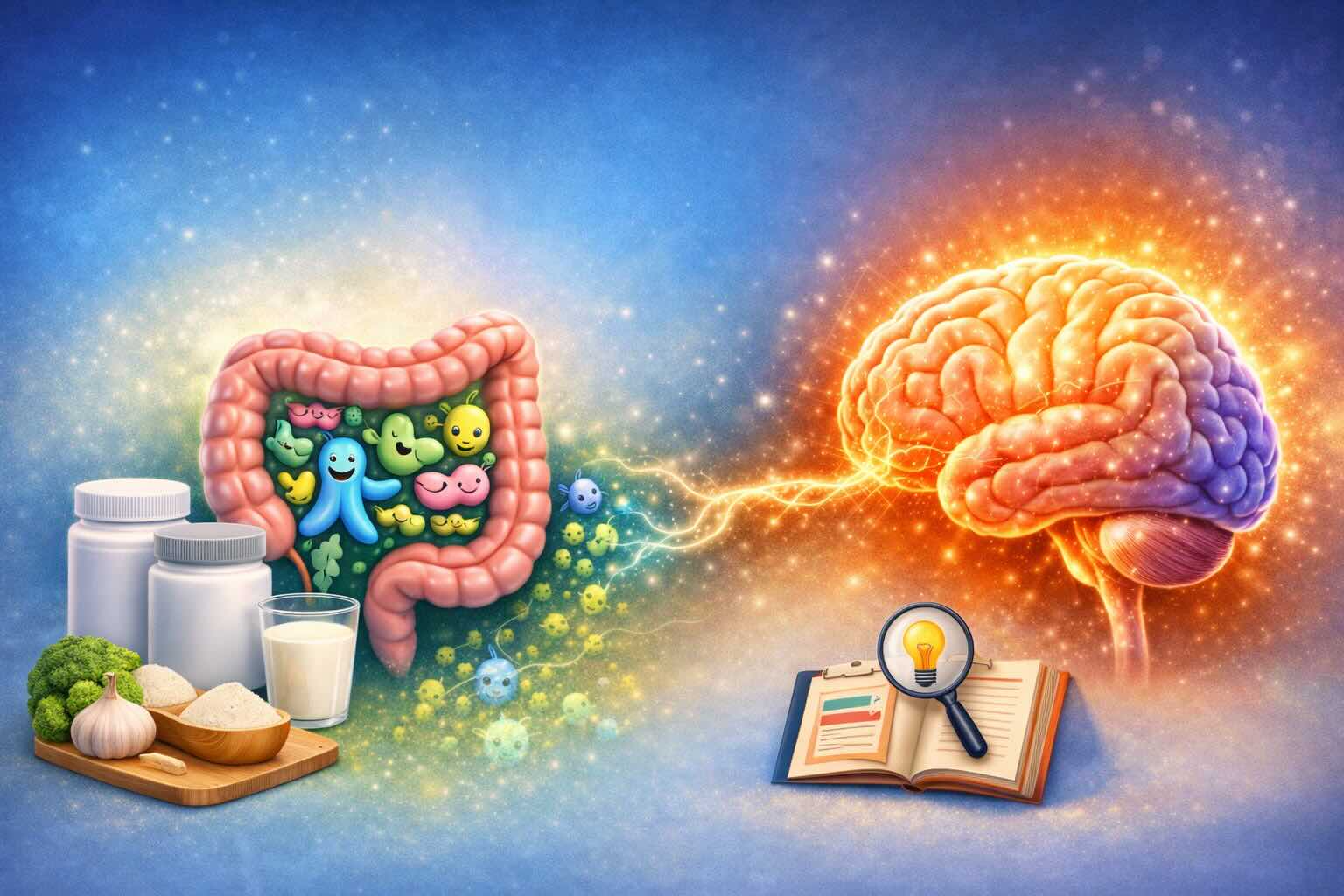
A study conducted by scientists at King's College London shows that daily prebiotic fiber supplementation can help improve memory in people over 60 years old.
This is a rare study conducted on twin pairs to separate the influence between genetic factors and the environment. In the experiment, each pair of twins was randomly divided: one person used prebiotics mixed with protein powder daily, the other person used placebo.
After 12 weeks, people in the prebiotic group such as inulin and fructooligosaccharide (FOS) achieved higher scores in memory and visual learning tests. These are also tests commonly used to detect Alzheimer's disease early.
The researchers also noted changes in the gut microbiome, with an increase in Bifidobacterium beneficial bacteria in the prebiotic-using group. These bacteria are believed to be involved in improving cognitive function through connections between the gut and brain.
According to Mary Ni Lochlainn - a geriatric medicine researcher at King's College London, the results achieved after only 12 weeks are a positive sign, showing the potential for improving brain health with simple and low-cost solutions.
Experts believe that this finding contributes to strengthening the hypothesis of "intestinal axis - brain", a link that is increasingly concerned in modern medicine. Some studies even call the digestive system the "second brain" of the body.
However, the study has not recorded a clear improvement in physical condition, such as muscle atrophy in the elderly. The research team also noted that the survey sample was mainly female, which may create certain deviations.
Scientists emphasize that more large-scale and long-term research is needed to confirm this effectiveness. However, with the advantages of being cheap, accessible and safe, prebiotic fiber is assessed to have the potential to become a brain health support solution in the context of an aging population.


