Headaches are common symptoms that most people have experienced. Work pressure, stress, lack of sleep, or weather changes can all cause headaches. However, not every headache is harmless. Doctors warn that a sudden, intense, and unusual headache can be an early sign of a stroke, a life-threatening emergency medical condition.
Dr. Mithilesh Kumar, a neurological consultant at Manipal Hospital (Ghaziabad, India), said that stroke occurs when the blood supply to the brain is interrupted, due to blood clots or broken brain blood vessels. At that time, brain cells begin to be damaged in just a few minutes. If not intervened promptly, the patient may die or leave severe sequelae.
According to Dr. Kumar, sudden severe headaches, often described as the "worst pain ever", are one of the important signs not to be ignored. This pain can appear unexpectedly, without warning signs and unlike common headaches.
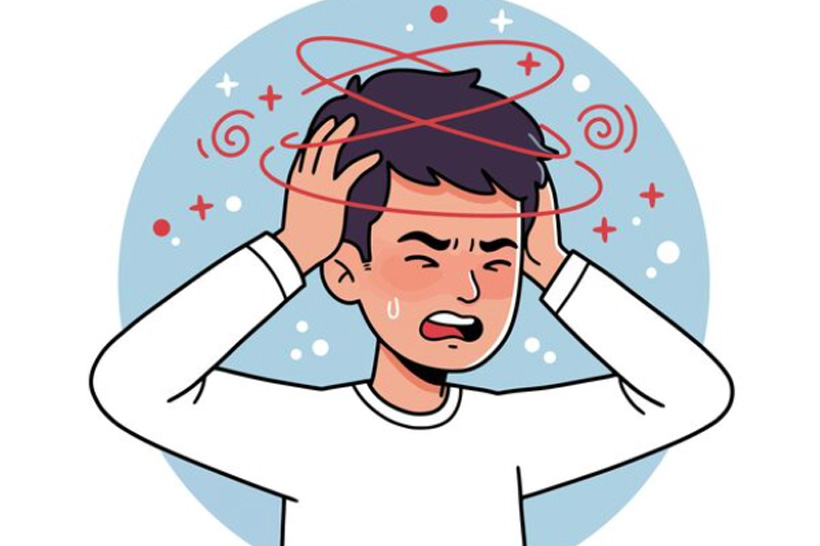
In addition to severe headaches, stroke can also be accompanied by many other symptoms. Patients may suddenly feel numbness or weakness in the face, arms or legs, often occurring on one side of the body. Some cases experience difficulty speaking, blurred speech, speaking unclearly or not understanding other people's words. Vision may also be affected, with signs of blurred vision or double vision, usually only in one eye. Dizziness, loss of balance, waving or falling for no apparent reason are also important warning signs.
Severe headaches related to stroke often originate from underlying causes in the body. Dr. Kumar said that high blood pressure is the leading risk factor, because this condition weakens blood vessel walls over time. Atrophy is another dangerous cause, which can cause sudden cerebral hemorrhage accompanied by severe headaches. In addition, blood clots formed due to heart disease, arrhythmia, or atherosclerosis can also cause cerebral ischemia.
Some stroke cases involve head or neck injuries, including minor injuries but causing vascular damage. In addition, unhealthy habits such as smoking, prolonged stress, obesity, diabetes, and lack of exercise also increase the risk of stroke.
Stroke treatment depends on the cause and time the patient is taken to a medical facility. For stroke due to blood clots, drugs to dissolve blood clots can be used if the patient comes to the hospital early. In cases of cerebral hemorrhage or severe vascular obstruction, the patient may need surgical intervention. After the emergency phase, functional rehabilitation such as physical therapy and language therapy plays an important role in regaining mobility and communication.
Severe headaches that appear suddenly should not be taken lightly. When there are signs suspected of stroke, patients need to be taken to the emergency room immediately. Early intervention can determine survival and quality of life later.