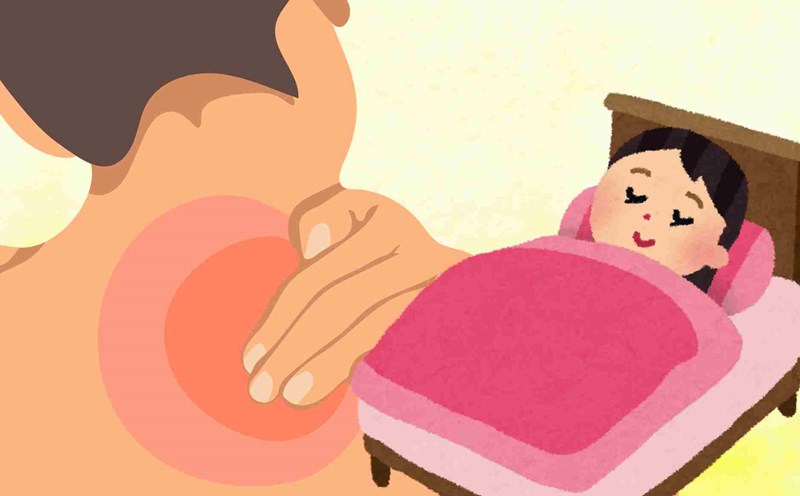
Many people think that shoulder pain is just "common pain", due to overwork, sleeping in the wrong position, or "windstroke", so they self-massage, apply plaster, or rest at home. However, when the pain lasts for weeks to months, accompanied by limited movement, patients need to be wary of the risk of inflammation around the shoulder joint, a common but easily overlooked musculoskeletal disease.
According to Dr. Ngo Thi Kim Oanh, Head of the Acupuncture - Biomedical Department, University Medical Center Hospital HCMC - Branch 3, normal shoulder pain usually appears after excessive exercise or temporary muscle tension, and may subside after a few days of rest and warm compresses.
Conversely, arthritis around the shoulder joint is often manifested by prolonged, subdued pain, increased pain when raising hands, reaching for the back or lying on the side of the painful shoulder. Patients may have difficulty combing hair, wearing clothes, reaching for things, even feeling a lot of pain at night, affecting sleep.
If not treated properly, inflammation around the shoulder joint can progress to "shoulder stiffness", causing prolonged limited movement and significantly affecting daily life.
Traditional medicine is currently widely applied in the treatment of costoarthritis, especially in the acute and chronic stages. Patients can consider choosing this method when shoulder pain lasts for more than 2-4 weeks, recurs many times, or when using pain relievers but the effect is not sustainable.
According to experts at University Medical Center Hospital HCMC - Branch 3, traditional medicine methods such as acupuncture, electroacupuncture, massage, acupressure, thread embedding combined with functional rehabilitation can help reduce pain, relax muscles, improve circulation and restore shoulder joint range.
Experts also recommend that people should not be subjective about prolonged shoulder pain, avoid self-treating strongly or treating at home without being diagnosed. Early examination and choosing appropriate treatment methods will help patients recover mobility, improve quality of life and prevent long-term complications.