
Life intervention from the womb
Previously, from the 23rd week of pregnancy, the fetus of pregnant woman N.T. H (Thanh Hoa) was found to have bilateral pleural effusion - a dangerous disease that can compress the heart and lungs, quickly leading to fetal edema, heart failure and directly threatening life.
By week 32, the disease progressed severely with manifestations of whole-body fetal edema, polyhydramnios. Faced with the risk of losing the baby, doctors at the Center for Fetal Medicine (Central Obstetrics and Gynecology Hospital) consulted and decided to perform the technique of placing a pleural drainage shunt right in the uterine cavity.
After intervention, the amount of fluid decreased significantly, and the fetal condition gradually stabilized. Pregnancy is prolonged day by day - an important factor that helps the fetal lungs have time to develop and complete respiratory function before birth.
The "battle" at dawn
At about 3 am on March 23, when the fetus was 36 weeks old, the pregnant woman suddenly had a ruptured membrane at home.
Immediately after receiving the information, the team of doctors from the Center for Fetal Medicine quickly arrived at the hospital, preparing for emergency surgery. Neonatal resuscitation plans were also activated, with full equipment such as masks, balls, endotracheal tubes and ventilators, ready to provide maximum support for the child immediately after birth.
When the baby is taken out of the mother's womb, the crying sound is clear and strong. The baby weighs 3,400g, breathes well on its own - a sign that the lungs are capable of performing respiratory function.
Notably, all the active resuscitation plans prepared beforehand did not need to be used. This is considered a positive result from timely fetal intervention.
Two small shunt tubes on the back of 0 "tiny wings" 0 are still there, marking the baby's special journey: the journey of keeping life from the womb.
Dr. Do Tuan Dat - Director of the Center for Fetal Medicine - said: in cases of severe pleural effusion, children born before often fell into respiratory failure, requiring intensive resuscitation, even endotracheal intubation from the first minutes of life.
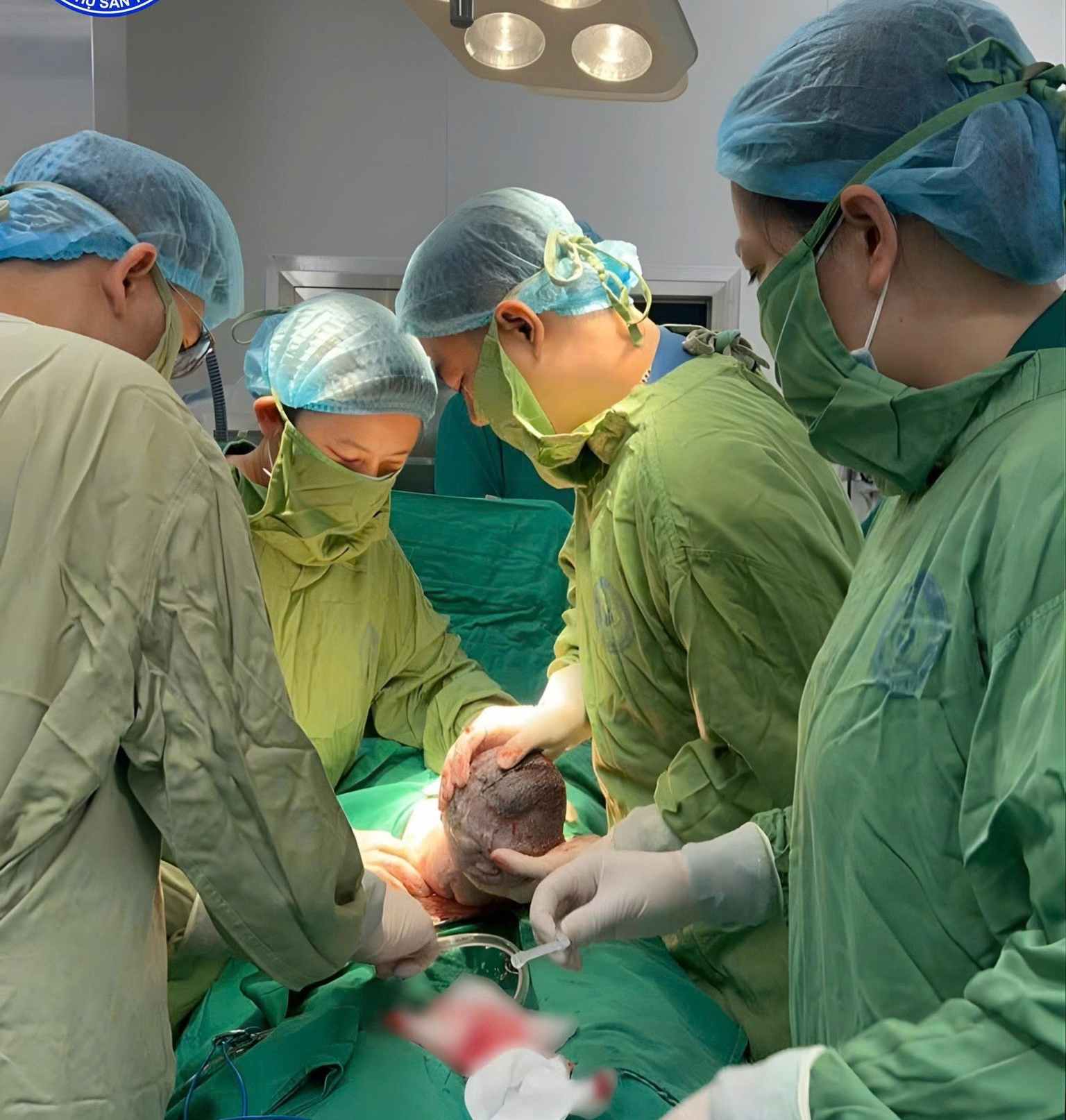
However, the intervention of placing drainage right in the womb has helped reduce the amount of fluid almost completely, creating conditions for the lungs to develop better. Thanks to that, the baby can breathe and cry loudly immediately after birth.
After birth, the baby was transferred to the Neonatal Center for continued monitoring and treatment. Through in-depth exploration, the baby was diagnosed with pleural effusion - the cause of previous effusion - and is being treated according to the correct protocol.


