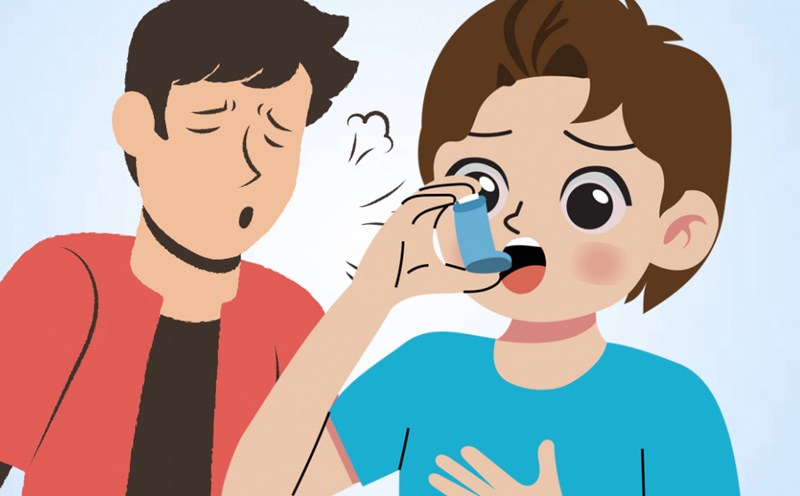
Shortness of breath when talking, walking short distances or climbing a few steps of stairs is often seen as a consequence of age, stress or lack of exercise. However, experts warn that these may be early signs of chronic obstructive pulmonary disease (COPD), a silent but dangerous respiratory disease that is not detected in time.
COPD is a chronic inflammatory condition of the airways, hindering air flow into and out of the lungs. The worrying point of this disease lies in the slow onset process. Many people gradually adapt to the symptoms, unintentionally postponing medical examination until lung function has seriously deteriorated.
Dr. Vivek Anand Padegal, Additional Director of the Lung Department, Fortis Hospital (Bengaluru, India), said: "Difficulty breathing when talking, walking short distances or climbing stairs is not always due to old age or poor fitness. These may be early signs of COPD.
According to Dr. Padegal, common symptoms of COPD include prolonged shortness of breath in daily life, chronic cough, frequent phlegm, wheezing, chest tightness and recurrent respiratory infections. Due to silent progression, many people unconsciously reduce the intensity of activity to avoid symptoms, causing the disease to continue to progress without being detected.
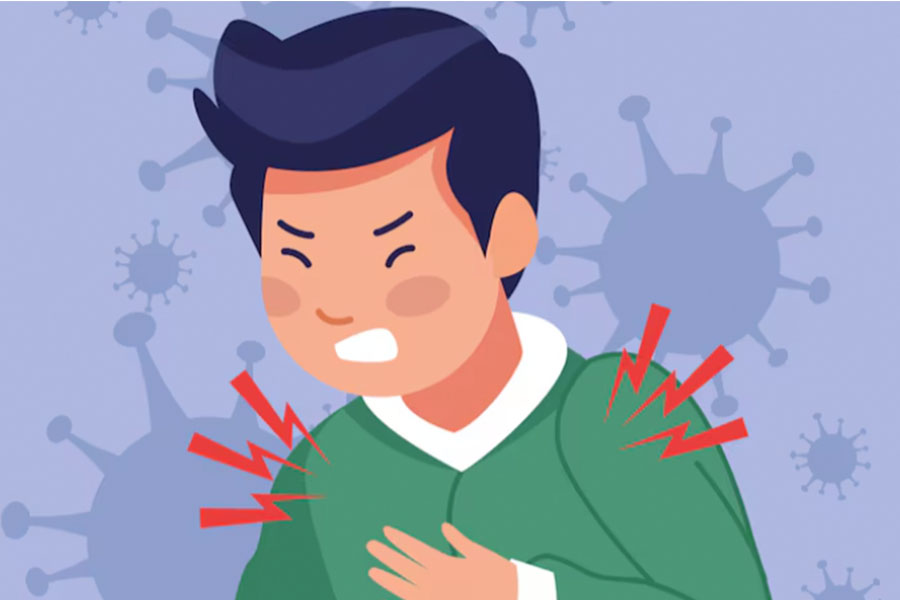
Smoking is still the leading cause of COPD. However, the risk of the disease is not limited to smokers. Long-term exposure to air pollution, kitchen smoke from biomass fuels, dust and industrial chemicals, as well as using e-cigarettes can cause lung damage over time.
Dr. Padegal emphasized that people with prolonged shortness of breath, especially those working in polluted environments or exposed to chemicals, need to be proactively examined early instead of considering it as a normal symptom. Shortness of breath after strenuous exercise can occur in healthy people. However, if this condition appears when talking, going to the market or climbing a few steps, it is a sign that lung function is declining. Chronic cough is also a commonly overlooked symptom, easily mistaken for allergies or prolonged smoking cough.
High-risk subjects for COPD include smokers, people living in polluted urban areas, factory workers, traffic police and families with poor ventilation. Women who are exposed to cooking smoke indoors for a long time are also at high risk, even if they do not smoke.
A positive point is that COPD can be effectively controlled if detected early. Lung function tests such as lung counting help accurately assess the extent of injury. Early diagnosis allows timely intervention with medication, lifestyle adjustment and slowing down the progression of the disease, thereby improving the quality of life.
Conversely, ignoring symptoms can lead to severe shortness of breath, repeated hospitalization, and irreversible lung damage. Therefore, listening to minor changes in the body plays a key role in protecting respiratory health.
The information in the article is for reference only, not for medical diagnosis or treatment. You should talk directly with your doctor for accurate and appropriate advice to your health condition.