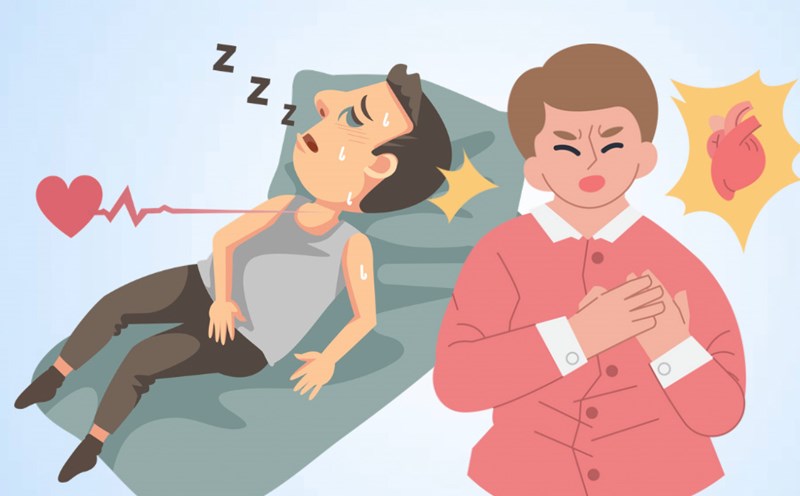
For many years, heart attacks were often identified through images of severe, sudden chest pain. However, for women, this scenario is not always true.
In fact, heart attacks in women often occur silently, with subtle signs, easily confused with fatigue, stress or common digestive disorders. This is what makes many cases overlooked, slowing down the "golden time" of emergency.
According to the World Health Organization (WHO), cardiovascular disease causes nearly 17.9 million deaths worldwide each year, and is the leading cause of death.
However, awareness of the differences in heart attack manifestations between men and women is still limited. Cardiology doctors warn that being subjective with atypical symptoms can cost women health, even life.
Silent signs that are easily overlooked
One of the common but less noticeable manifestations is jaw, neck, shoulder or upper back pain. The pain is usually subtle, severe, not accompanied by chest pain, so it is easily confused with muscle strain or stress. The American Heart Association says this is a fairly typical symptom in women when a heart attack occurs.
Abnormal fatigue is also an early warning sign. Dr. Purshotam Lal, an interventional cardiologist, Chairman of Metro Hospital Group (India), said that sudden, prolonged exhaustion even after rest can appear a few days, even weeks before a heart attack. Many women often think this is just a consequence of work or lack of sleep.
In addition, shortness of breath when resting or performing very light activities also needs to be paid special attention to. This symptom reflects reduced blood flow to the heart but is often confused with anxiety, asthma or respiratory infections.
Easily confused with digestive diseases and neurological disorders
According to experts, nausea, indigestion, bloating or pain in the upper abdomen are quite common symptoms in women with heart attacks. Because they are similar to acid reflux or food poisoning, many people have self-treated at home and missed the time for medical intervention.
In addition, cold sweating, dizziness, or sudden dizziness can be signs of low blood pressure due to heart failure to pump enough blood. These symptoms should not be taken lightly, especially when they occur without a clear cause.
Another sign of little attention is sleep disorders accompanied by anxiety. Difficulty sleeping, waking up in the middle of the night with a restless or shortness of breath may be an early sign of heart disease, especially in women with diabetes, high blood pressure, or high blood fat.
Not always severe chest pain
Contrary to popular beliefs, chest pain in women can be very mild or even non-existent. If there is, the feeling is usually angry, severe or tight, instead of severe sharp pain as many people imagine.
Doctors emphasize that when the above symptoms appear suddenly, persistently or become more serious, patients need to seek urgent medical assistance. Early treatment not only helps reduce heart damage but also significantly improves survival.
(The article is for reference only, not for professional advice. Always consult a doctor or medical expert if you have questions).