Dr. Tapan Ghose, Senior Director and Head of Cardiology Department, Fortis Vasant Kunj Hospital (New Delhi, India), said that morning walking in winter needs to be carefully considered. The reason is that cold temperatures can cause unfavorable physiological changes to the cardiovascular system, increasing the risk of heart attack and stroke.
According to Dr. Ghose, when the weather is cold, blood vessels tend to contract to keep the body warm. This phenomenon increases blood pressure and forces the heart to work harder to pump blood to nourish the organs.
This effect is most noticeable in the early morning, when the ambient temperature is the lowest in the day and human body temperature has not yet increased after sleep.
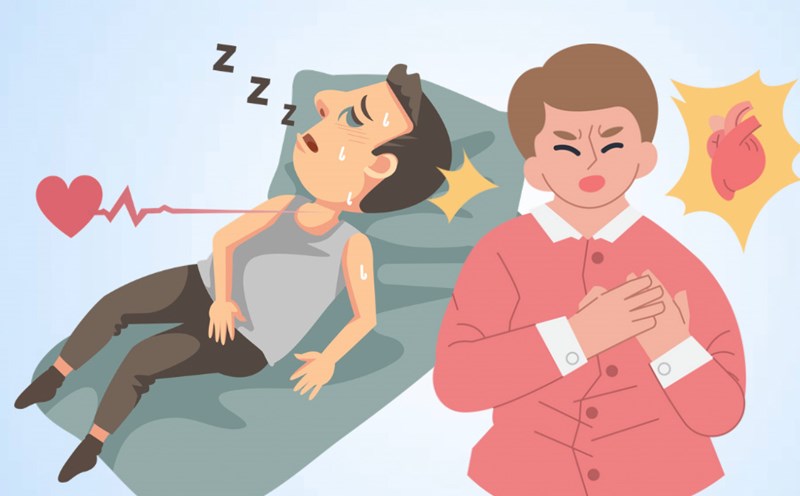
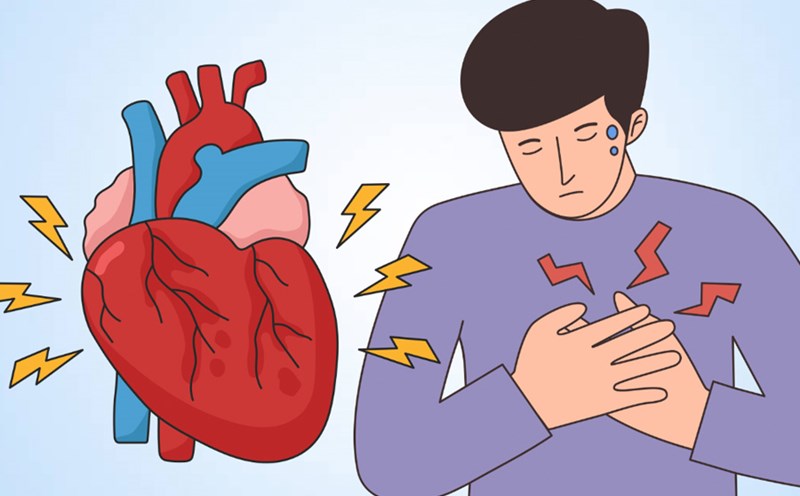
For people with cardiovascular disease, uncontrolled hypertension or history of stroke, sudden vasoconstriction combined with strenuous exercise can become a trigger for cardiovascular events.
Leaving a warm indoor environment and immediately exercising outdoors in the cold can cause sudden changes in heart rate and blood pressure," Dr. Ghose warned.
In addition to temperature factors, early morning is also a time when air pollution levels are usually higher and oxygen density in the air is lower.
These factors can cause the heart to work harder to meet the body's oxygen needs, thereby increasing pressure on the cardiovascular system.
Cardiologists emphasize that not everyone faces the same risks. Young, healthy people are often more likely to adapt better to cold weather.
However, for people with underlying diseases, special attention should be paid to warning signs when exercising such as chest discomfort, abnormal shortness of breath, dizziness or rapid heartbeat. When these symptoms appear, it is necessary to stop exercising immediately and seek medical advice.
To ensure safety, experts recommend not completely giving up walking in winter, but need to adjust habits accordingly.
Dr. Ghose suggests warming up gently indoors before going out, dressing warmly with many layers of clothing and avoid walking too early when the temperature drops to the lowest.
If possible, moving the walking time to mid-morning is considered a safer option. At this time, the temperature has increased, the air is more pleasant, and the risk of causing stress to the cardiovascular system has also decreased significantly.
(The article is for reference only, not for professional advice. Always consult a doctor or medical expert if you have questions).