
Information from the hospital, from June 9-12, the unit received two cases of seafood poisoning related to pufferfish and sea eel with many patients having to be hospitalized for treatment.
Accordingly, on the night of June 9, the hospital received 4 patients including 3 adults and 1 child residing in Nam Nha Trang ward with symptoms of poisoning after eating pufferfish. Among them, 3 adults with mild symptoms of poisoning were monitored and treated.
The patient himself fell into a severe poisoning condition. Although doctors and nurses made efforts to save him, the patient did not survive.
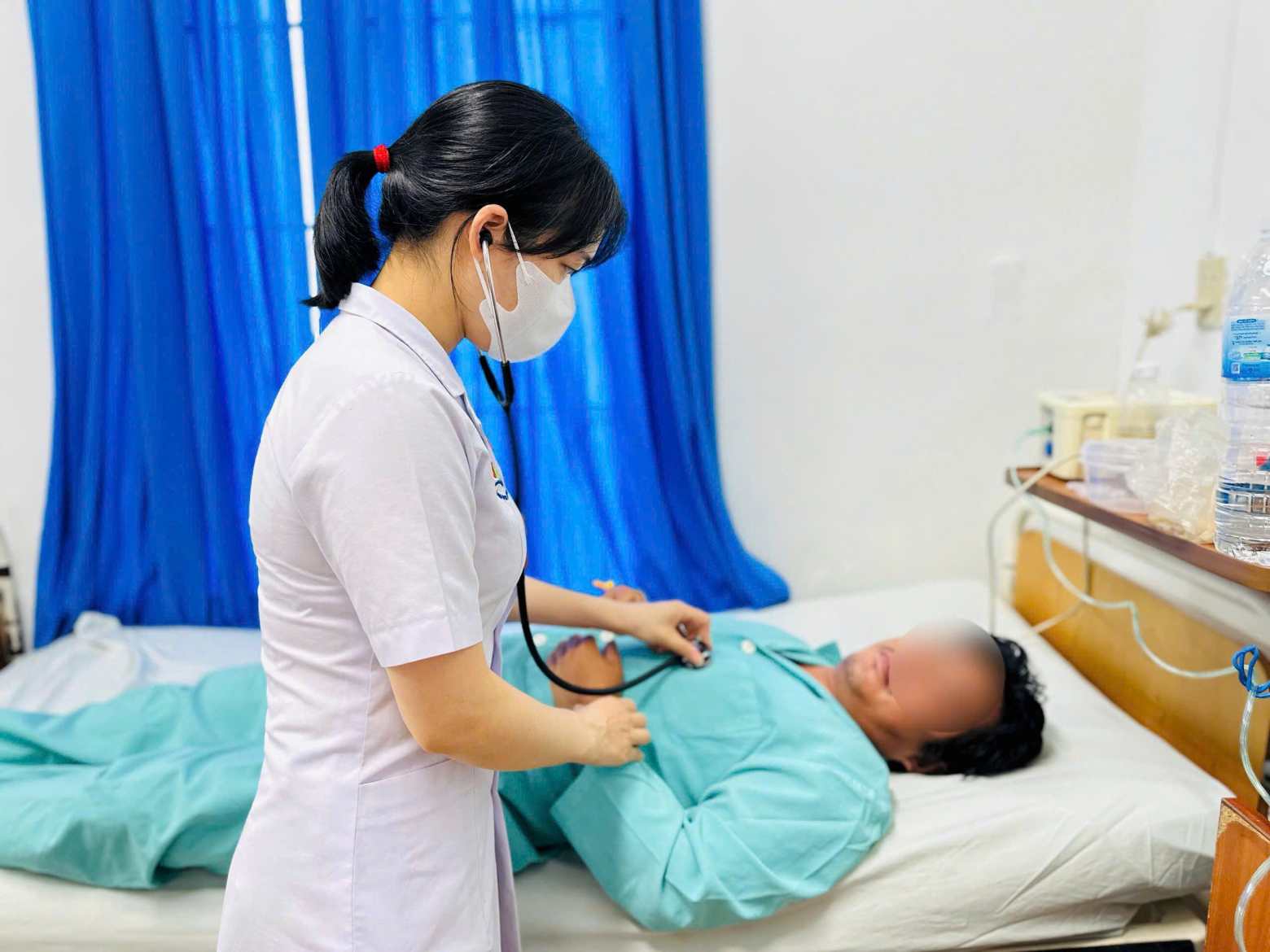
On June 12, Khanh Hoa General Hospital continued to receive two brothers residing in Bac Nha Trang ward hospitalized with symptoms of lip numbness, limb fatigue, dizziness and shortness of breath after eating sea eel.
Among them, one patient progressed severely and had to be transferred to the Intensive Care - Poison Control Department for in-depth treatment.
According to the patient's account, the family bought 5 sea eels to share with many people to use together. People who ate other fish did not show any unusual symptoms.
However, when the 2 patients ate the same fish, they successively showed signs of fatigue. The next day, they continued to use the remaining fish, and by noon, they showed signs of exhaustion in their hands and feet, dizziness, shortness of breath, numbness in their lips, and their body seemed exhausted, so they had to be taken to the hospital for emergency treatment.
According to doctors at Khanh Hoa General Hospital, pufferfish and sea eel poisoning often progresses quickly and is dangerous because they contain extremely strong neurotoxins that directly affect the neuromuscular system.
Specifically, pufferfish poisoning is a situation that has been warned for many years but hospitalization cases are still regularly recorded.
pufferfish contain Tetrodotoxin - one of the most powerful neurotoxins known today. The toxin is mainly concentrated in the liver, eggs, intestines and skin of fish.
Just a very small amount can cause respiratory failure, asphyxia and death. In particular, there is currently no specific antidote to Tetrodotoxin.
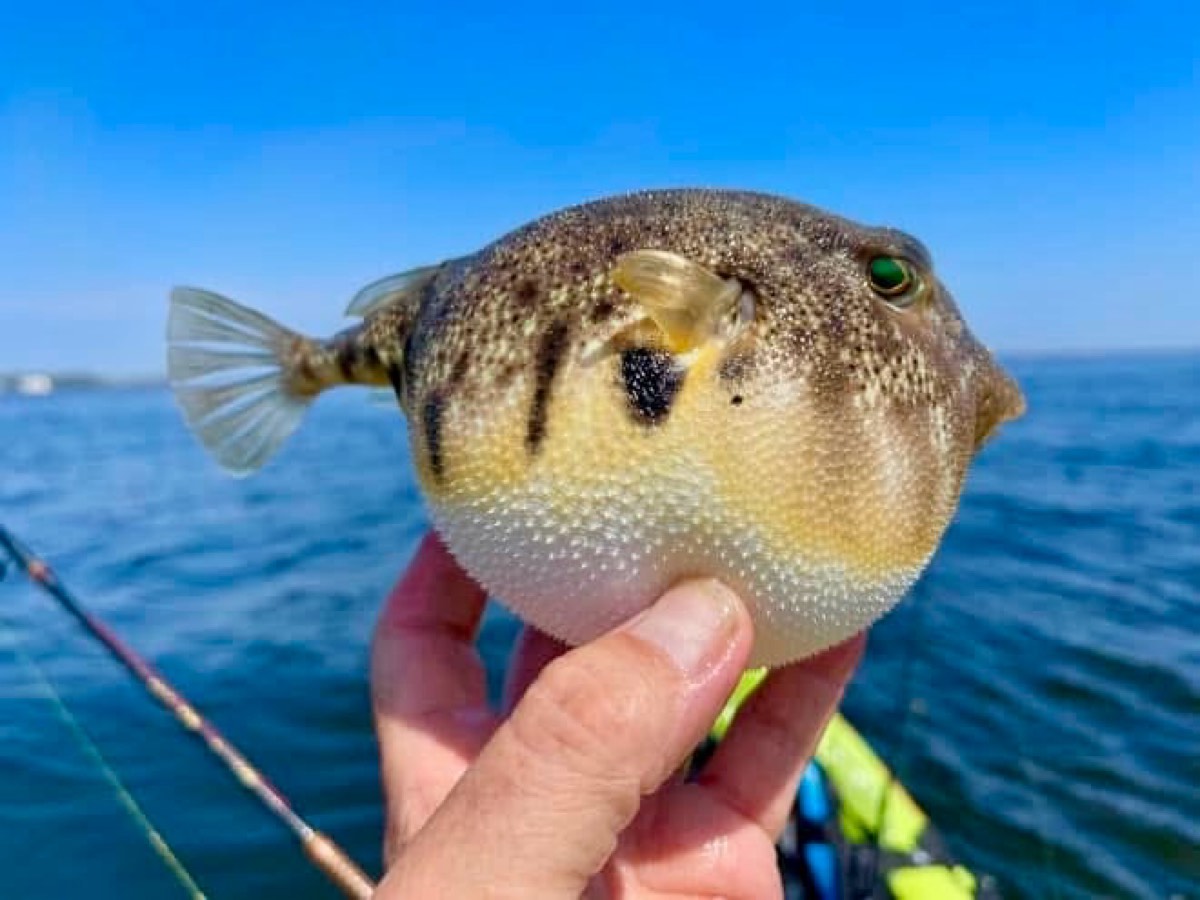
It is noteworthy that this toxin is very heat-resistant. Cooking, simmering or drying completely cannot destroy the toxin.
For sea eels, the risk of poisoning is often related to Ciguatoxin toxin, which can cause digestive, cardiovascular and neurological disorders. This toxin is colorless, odorless, tasteless and is not neutralized by conventional processing, cooking or freezing methods.
Doctors at Khanh Hoa General Hospital recommend that people absolutely do not catch, buy, sell, process or use pufferfish in any form, including fresh fish, dried fish or fish cakes.
At the same time, be careful when using sea eels. Do not eat internal organs and limit direct contact with fish blood.
The hospital notes that it is not advisable to be subjective and rely on personal experience because toxins can be distributed unevenly between individuals.
When symptoms such as numbness in the lips, numbness in the tongue, dizziness, nausea, quadriplegia, shortness of breath or other abnormal signs appear after eating seafood, people need to quickly go to the nearest medical facility for timely emergency care, avoiding missing the golden time in treatment.


