
Risk of heatstroke and stroke increases
Faced with prolonged intense heat due to the impact of El Nino, the Ministry of Health warns of an increased risk of health problems such as heatstroke, heatstroke and heat stroke, especially in the elderly, young children, pregnant women and outdoor workers.
According to the Department of Disease Prevention, mild signs include fatigue, dizziness, cramps; severe cases may be shortness of breath, convulsions, coma, cardiovascular collapse and death if not treated promptly.
The Ministry of Health recommends that people limit going out from 10-16 hours, drink enough 1.5-2 liters of water/day, wear cool clothes, supplement with green vegetables and avoid sudden temperature changes when leaving the air-conditioned room.
For outdoor workers, it is necessary to arrange work in the early morning or late afternoon, take periodic breaks in a cool place, use full protective gear and supplement electrolyte water to prevent water loss and heat shock.
Hospitals brace themselves against heat
During the prolonged heat wave in the North, the A9 Emergency Center (Bach Mai Hospital, Hanoi) recorded a 20–30% increase in the number of cases related to heat, with about 300 cases received per day, of which many young people were hospitalized due to heatstroke and heat shock.
MSc. Dr. Dang Tuan Dung, A9 Emergency Center, Bach Mai Hospital, said that each day, the Center receives an average of about 250 patients for examination, while on hot sunny days, the number increases to about 300 cases. Patients are mainly workers, with symptoms such as fatigue, sweating, increased body temperature, and even more severely, coma, convulsions. Some cases record dangerous complications such as myasthenia gravis, acute kidney failure due to dehydration.
K Hospital has synchronously implemented many heat protection solutions to support patients and improve the quality of medical examination and treatment in harsh weather conditions.
Currently, the hospital receives over 2,000 visits per day for examination and treatment. In order to reduce overload and shorten waiting times, K Hospital continues to organize patient reception from 5 am at Tan Trieu facility and starts examination from 6 am. At Quan Su and Tam Hiep facilities, reception activities are also deployed from 6 am daily.
At Quan Su facility, patients can book examination appointments upon request via switchboard, come for examination on time, at appointment rooms without having to queue to register directly. At other facilities, patients who register in advance are prioritized in the process of medical examination procedures, helping to significantly reduce the reception area.
To meet the increasing demand in the hot season, the hospital arranges 33 examination tables at the main facility and 18 examination tables at each Quan Su and Tam Hiep facility. At the same time, support staff are strengthened in areas such as clinics, diagnostic imaging, endoscopy, testing..., contributing to quickly guiding patients and limiting congestion.
Along with that, the hospital promotes the application of technology such as automatic numbering, cashless payment, scanning QR codes to receive test results, helping patients shorten procedure time.
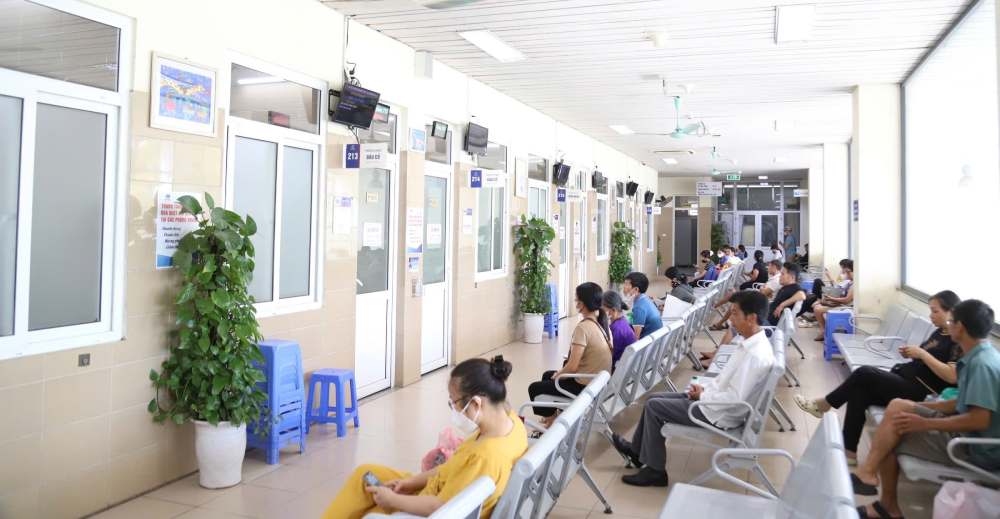
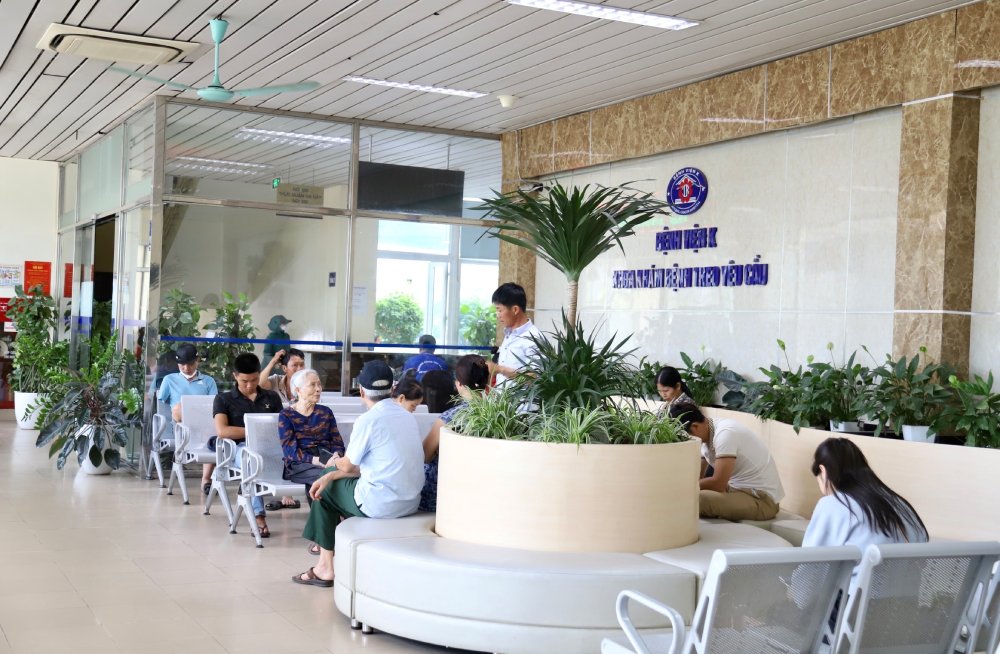
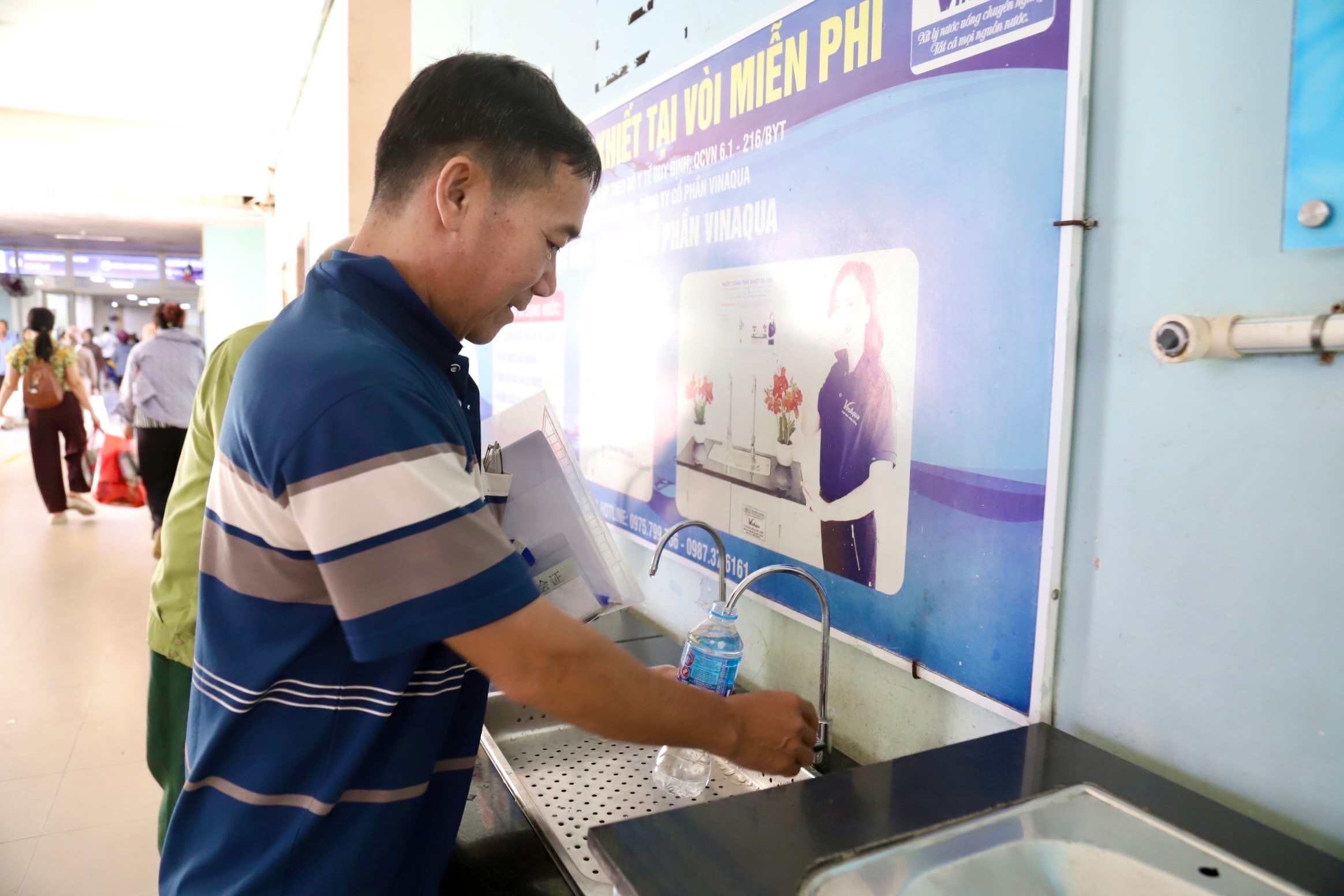
Regarding living conditions, the hospital provides free drinking water, installs hot and cold water taps in the treatment departments; and at the same time strengthens 24/24 air conditioning operation, supplements high-capacity fans and seats in the waiting area.
The campus is also strengthened with green trees to improve the microclimate and reduce heat. Representatives of K Hospital said that these solutions aim to improve service quality, reduce system pressure and ensure stable health and psychology for patients in the hot season.


