- Thực phẩm nhiều muối: Dưa chua, giăm bông, mì gói... hàm lượng Natri lớn chính là thủ phạm gây thiếu hụt canxi trong xương và gây loãng xương. Cứ 100mg natri trong cơ thể thì có 26mg canxi sẽ được bài tiết cùng. Như vậy ăn nhiều natri sẽ làm đẩy nhanh quá trình mất canxi.
- Thực phẩm chứa nhiều chất béo: Ăn nhiều chất béo sẽ cản trở sự hấp thụ canxi và sẽ gây loãng xương. Protein rất quan trọng vì nó là thành phần cơ bản cấu tạo nên các tế bào và các mô của cơ thể. Nếu chúng ta không ăn đủ protein sẽ xảy ra quá trình mất cơ, làm cơ teo lại hoặc yếu đi. Do đó, protein là nhóm chất không thể thiếu trong chế độ ăn uống.
Tuy nhiên, ăn quá nhiều protein hơn mức cơ thể cần, đặc biệt là ăn nhiều protein động vật có thể loại bỏ canxi khỏi xương và tăng bài tiết canxi. Về lâu dài là một yếu tố nguy cơ phát triển bệnh loãng xương cũng như có tác động tiêu cực đến sức khỏe của xương.
- Nước ngọt: Axit folic có nhiều trong nước ngọt sẽ kết hợp với canxi trong cơ thể tạo kết tủa không hòa tan hoặc tạo thành muối canxi dạng rắn. Khiến cơ thể không hấp thụ được canxi.
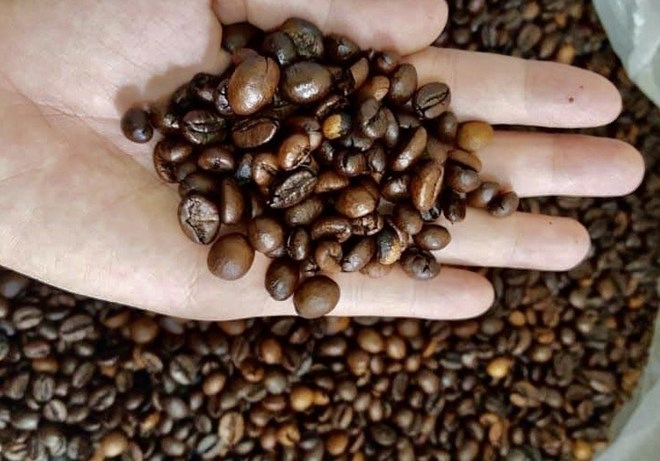
- Cà phê: Việc sử dụng nhiều cà phê sẽ gây ảnh hưởng quá trình hấp thụ canxi. Cafein trong cà phê kích thích và làm ảnh hưởng quá trình hấp thụ canxi trong ruột và làm tăng quá trình bài tiết canxi trong cơ thể. Bạn chỉ nên tiêu thụ cà phê ở lượng vừa phải (2-3 ly cà phê/ngày).
- Thịt đỏ: Tình trạng viêm mãn tính góp phần trực tiếp vào việc mất xương. Một trong những nguyên nhân gây viêm là tiêu thụ nhiều chất béo và các loại thịt giàu protein như bít tết, sườn và thịt chế biến sẵn.
Nghiên cứu cho thấy người ăn nhiều thịt và protein động vật có xu hướng có mật độ xương thấp hơn so với người ăn chế độ ăn nhiều thực vật hơn. Mặt khác, ăn nhiều thực phẩm có nguồn gốc thực vật hơn có thể giúp kiểm soát tình trạng viêm hệ thống và các dấu hiệu liên quan đến lão hóa khác.
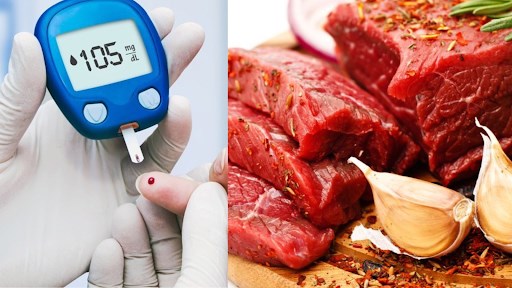
Thịt bò chứa sắt, protein, lipit... tốt cho sức khỏe. Tuy nhiên nếu ăn nhiều sẽ làm chậm quá trình hấp thụ canxi. Do đào thải canxi qua nước tiểu lớn.
- Rượu: Chỉ nên uống rượu vừa phải 1-2 ly/ngày. Uống nhiều rượu sẽ làm giảm mật độ xương, tăng tỉ lệ gãy xương, giảm tỉ lệ bình phục xương.
Thực phẩm giàu canxi:
- Sữa và các sản phẩm từ sữa: 1 ly sữa chứa 300mg canxi .
- Các loại rau xanh: Rau cải, bông cải xanh , rau ngót, cải xoăn, bắp cải, bí đỏ... đều nhiều canxi.
- Hải sản: Nguồn thực phẩm giàu canxi như cá hồi, cá mòi, cá trích, tôm, tép, cua....
- Các loại đậu, hạt giàu khoáng chất: đậu phụ, đậu đen, đậu hà lan, hạt lanh...
- Bổ sung canxi từ trái cây: Là nguồn bổ sung canxi tuyệt vời như bơ, đào, táo, kiwi, chà là....
Người trưởng thành nên tiêu thụ 1.000mg canxi mỗi ngày. Phụ nữ mang thai, cho con bú cần 200 - 300mg canxi mỗi ngày. Người cao tuổi cũng cần bổ sung canxi mỗi ngày.
Bổ sung canxi không đúng cách sẽ dẫn đến quá liều canxi. Có thể gây khó thở, buồn nôn, tiểu đêm , táo bón.