
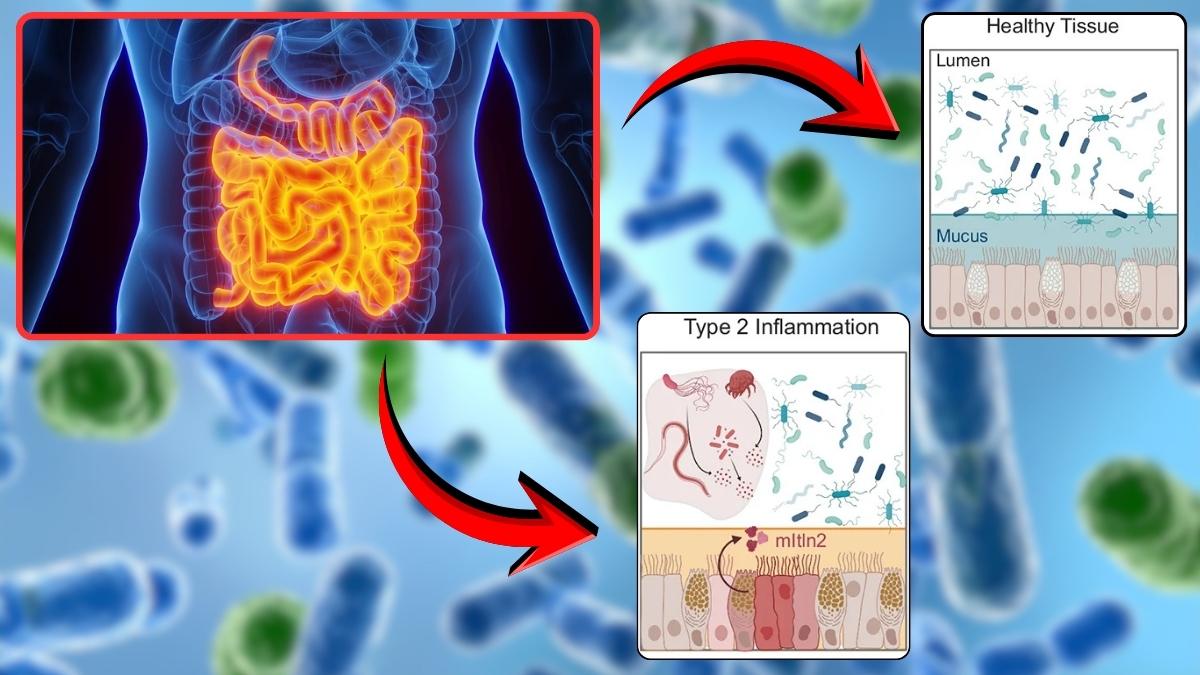
Scientists at MIT (Massachusetts Institute of Technology) have discovered the important role of a protein in the intestine called intelectin-2 in protecting the body from bacteria.
According to research, intelectin-2 belongs to the lectin group, which is capable of binding to sugar molecules. However, it is noteworthy that this protein acts by two mechanisms at the same time.
First, intelectin-2 helps strengthen the mucus layer covering the digestive tract, acting as a barrier to protect intestinal tissues. When this barrier is damaged, the protein continues to play a second role in identifying and retaining bacteria, thereby inhibiting or destroying them.
Experiments on mouse tissue, gut bacteria and isolated proteins show that intelectin-2 targets galactose, a sugar found in mucus and on the surface of many bacteria. When linked to bacteria, this protein can break down the outer membrane, causing them to decompose over time.
Notably, some neutralized bacteria include Staphylococcus aureus and Klebsiella pneumoniae, both of which are potentially antibiotic-resistant agents.
Scientists believe that this discovery may open up new directions in the treatment of diseases such as enteritis, especially in the context of increasing antibiotic resistance.
In addition, the study also showed that intelectin-2 levels in people with inflammatory bowel disease are often abnormal, showing a link between this protein and digestive health.
Experts believe that taking advantage of available proteins in the body such as intelectin-2 may become a new strategy, based on the innate immune system, to control bacteria without being completely dependent on antibiotics.
This study also contributes to clarifying the role of the lectin protein group, which is believed to have existed very early in evolution, but has the ability to identify and kill bacteria accurately.


