
On May 26, at the press conference in May 2026 of Dong Thap province, representatives of the Department of Health said that the dengue fever situation in Dong Thap province is developing complicatedly as the number of cases continuously increases and many severe cases are recorded. The health sector warns of the risk of widespread outbreaks if drastic disease prevention and control measures are not implemented in the coming time.
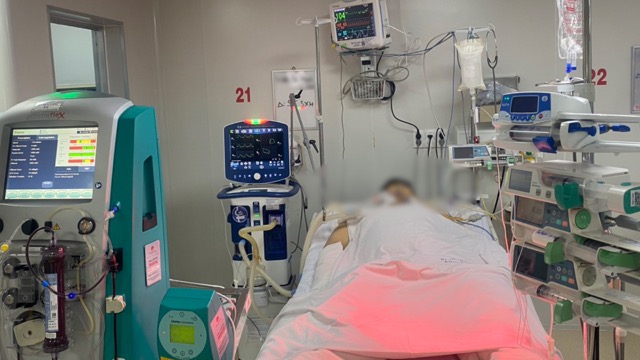
According to the Dong Thap health sector, in April 2026, the whole province recorded 925 cases of dengue hemorrhagic fever, of which 23 cases progressed severely, accounting for 2.5% of the total number of cases and recorded 1 death. Compared to the previous month, the number of cases increased by 16.2%; compared to the same period in 2025, it increased by 3.7 times. Localities with high cases include Cao Lanh ward, Lai Vung commune, Thuong Phuoc commune, Tam Nong commune, Tan Phuoc 3 commune, My Ngai ward, Chau Thanh commune and Tan Long commune.
Accumulated in the first 4 months of 2026, Dong Thap recorded 2,996 dengue hemorrhagic fever cases, an increase of 196% compared to the same period in 2025; of which 84 were severe cases, an increase of 127% compared to the same period. The whole province recorded 1 death from dengue hemorrhagic fever, an increase of 1 case compared to the same period last year. The dengue hemorrhagic fever incidence rate is currently at 83 cases/100,000 people and is assessed to be at risk of exceeding the control threshold in the coming months if the epidemic continues to increase.
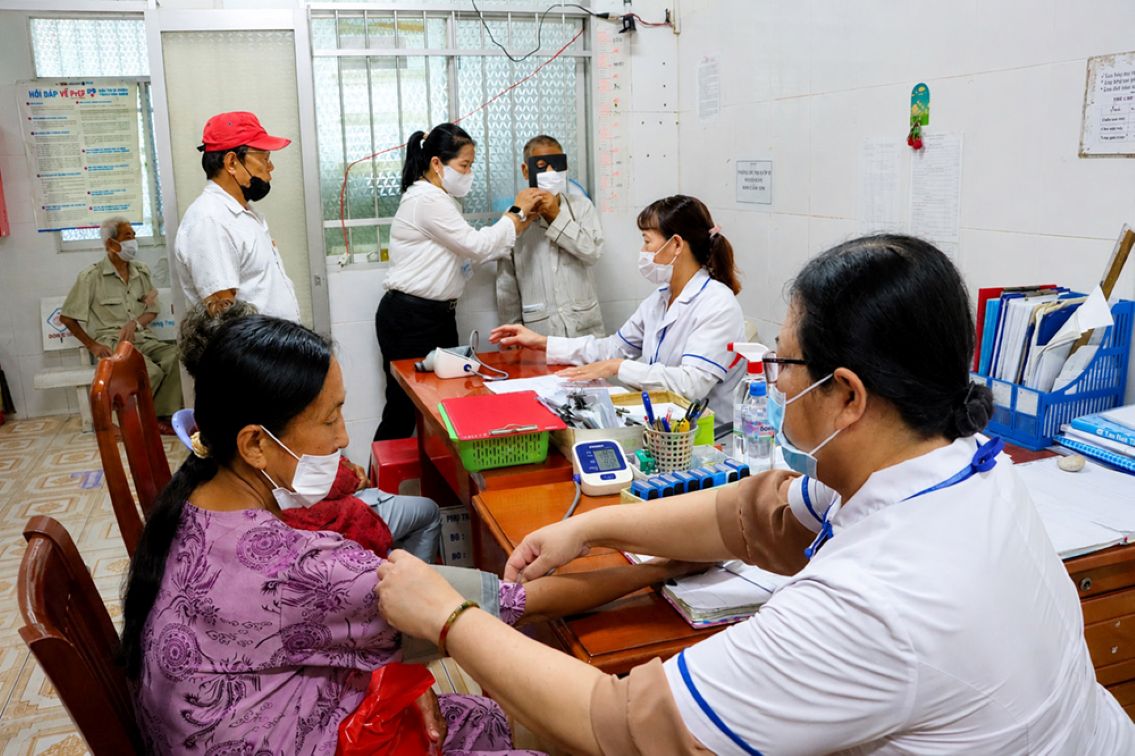
Localities with high cumulative cases include Cao Lanh ward, My Ngai ward, Lai Vung commune, Thuong Phuoc commune and Sa Dec ward. In particular, in the past 2 months, many localities such as Tam Nong commune, Tan Phuoc 1 commune, Tan Phuoc 2 commune, Tan Phuoc 3 commune and An Binh ward have recorded a high dengue fever incidence rate/100,000 people, posing a potential risk of a large outbreak.
According to the assessment of the Dong Thap Provincial Department of Health, erratic weather and prolonged unseasonal rain have created favorable conditions for tick mosquitoes to reproduce and develop, increasing the risk of disease transmission in the community. In addition, the disease prevention awareness of a part of the population is still limited, and the handling of water containers and killing larvae has not been carried out regularly, causing many difficulties in epidemic control.
Faced with the above situation, the Department of Health recommends that people proactively implement disease prevention measures such as regularly cleaning the environment, removing objects containing stagnant water, sleeping under mosquito nets even during the day and going to medical facilities when there are signs of fever to be examined and treated promptly.


