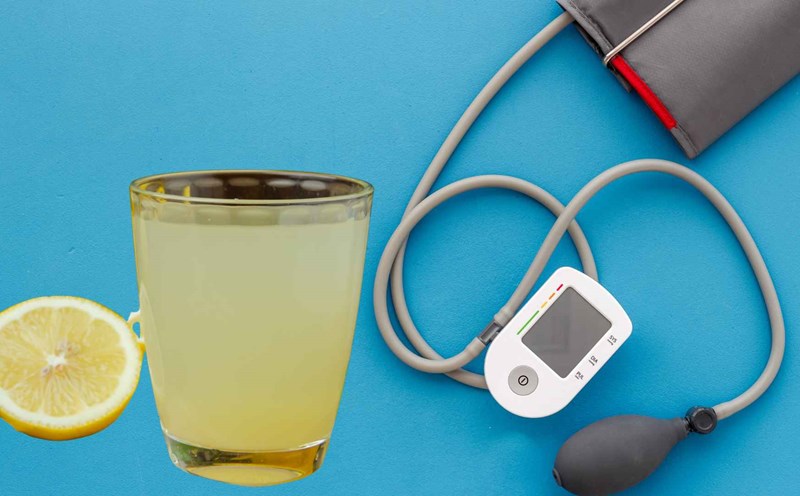
High blood pressure often progress silently, without obvious symptoms but causes serious damage to the heart, kidneys and blood vessel system.
Faced with this situation, many people seek natural remedies that are spread on social networks, in which lemon water is mentioned as a simple way to help control blood pressure.
The idea of starting the day with a glass of lemon juice seems attractive. Lemon contains vitamin C and antioxidants, which are said to be good for the heart and overall health. However, the question of whether lemon water really helps lower blood pressure is just an inflated concept.
Regarding this trend, cardiologist Swarup Swaraj Pal, senior consultant in cardiovascular and thoracic surgery at Gleneagles Hospital (Parel, south of Mumbai, Maharashtra, India), said that lemon water is of interest mainly for its nutritional value.
Vitamin C and flavonoids in lemons have antioxidant effects, contributing to supporting blood vessel health and maintaining the elasticity of artery walls.
According to Dr. Pal, drinking lemon water helps increase hydration for the body, thereby supporting blood circulation and overall cardiovascular function. However, the direct impact of lemon juice on blood pressure is very limited.
Lemon water can support healthy living habits, but it is not a treatment for high blood pressure, Dr. Pal emphasized.
The cardiologist confirmed that there is currently no scientific evidence to prove that lemon water can treat or reduce high blood pressure.
Considering lemon water as a medical solution can make patients subjective, delay proper examination and treatment.
Not only that, drinking lemon water regularly or too much also has potential risks. The high acidity of lemons can erode tooth enamel over time, and cause acid reflux, heartburn or stomach discomfort in sensitive people.
Therefore, Dr. Pal recommends only drinking lemon water in moderation, occasionally instead of drinking it every day.
According to cardiologist experts, effective blood pressure control requires a comprehensive approach, based on medical evidence.
First of all, diet plays a key role, especially reducing salt intake to limit water retention and reduce pressure on blood vessels.
In addition, maintaining regular physical activity helps the heart pump blood more effectively and improves cardiovascular health.
Other lifestyle habits such as quitting smoking and limiting alcohol also contribute to protecting blood vessel walls and reducing the risk of complications.
Manage stress through yoga, meditation or breathing exercises can help prevent sudden spikes in blood pressure.
Most importantly, patients need to strictly follow the drug regulation of the doctor and have regular check-ups.
Lemon water can be a healthy supplement, but it is not a medicine for high blood pressure and you should not believe unfounded promotions on social networks, Dr. Pal emphasized.
According to him, the key to controlling blood pressure is still a scientific lifestyle and proper health care.
(The article is for reference only, not a replacement for professional advice. Always consult a doctor or medical professional if you have any questions).