
Many middle-aged and elderly people like rich breakfast dishes. White porridge served with sour vegetables, pickled mustard greens or salted duck eggs may be delicious but can also easily cause the body to absorb a lot of salt.
Eating too much salt increases the amount of sodium introduced into the body, which can affect blood pressure control in the long term. High blood pressure is one of the important risk factors for chronic kidney disease.
Kidneys have the task of regulating water and electrolytes in the body. When consuming too much salt for a long time, the body must strengthen these regulating mechanisms.
Therefore, instead of regularly using pickled foods for breakfast, you can prioritize fresh vegetables, boiled eggs and low-salt foods to make the meal more balanced.
Besides, occasionally eating fried food does not necessarily cause problems, but if you use these dishes as the main breakfast for a long time, the amount of fat and energy intake may increase.
A high-fat diet can contribute to overweight, obesity and dyslipidemia. These metabolic problems not only increase the risk of cardiovascular disease but can also indirectly affect kidney health.
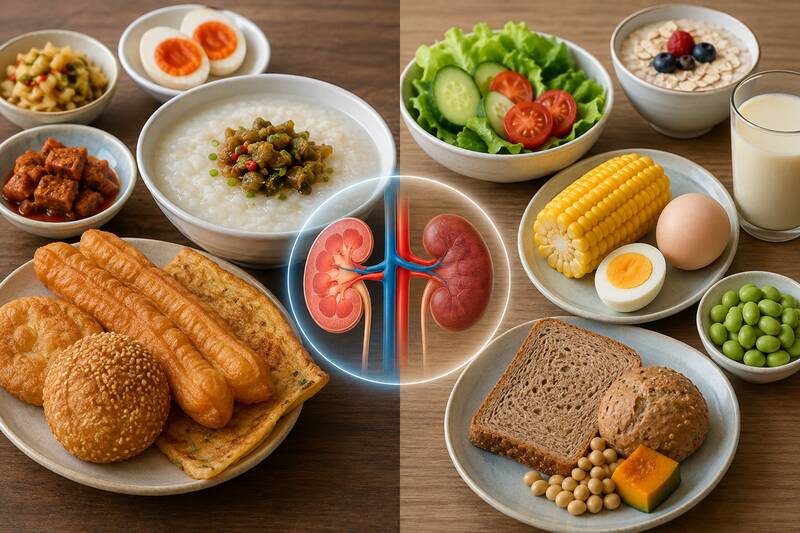
Instead, breakfast can be combined with foods such as boiled corn, whole wheat bread, oatmeal porridge or cereal dumplings. These are choices that help increase the feeling of fullness but limit the amount of fat ingested.
Some elderly people have a fairly simple breakfast habit, such as just a bowl of white porridge or a steamed bun. These dishes are relatively easy to eat, but if other food groups are often lacking, breakfast may not provide enough necessary nutrients.
After a night of sleep, the body needs to be replenished with energy and nutrients such as protein, vitamins and minerals. A long-term lack of high-quality protein can affect muscle health and overall nutrition.
For healthy adults, eggs, milk, unsweetened yogurt, soy milk or soy products can be added to breakfast to increase nutritional quality.
However, people with chronic kidney disease need to control their protein intake according to their health status and the instructions of a doctor or nutritionist. Supplementing with a lot of protein is not always good.


