
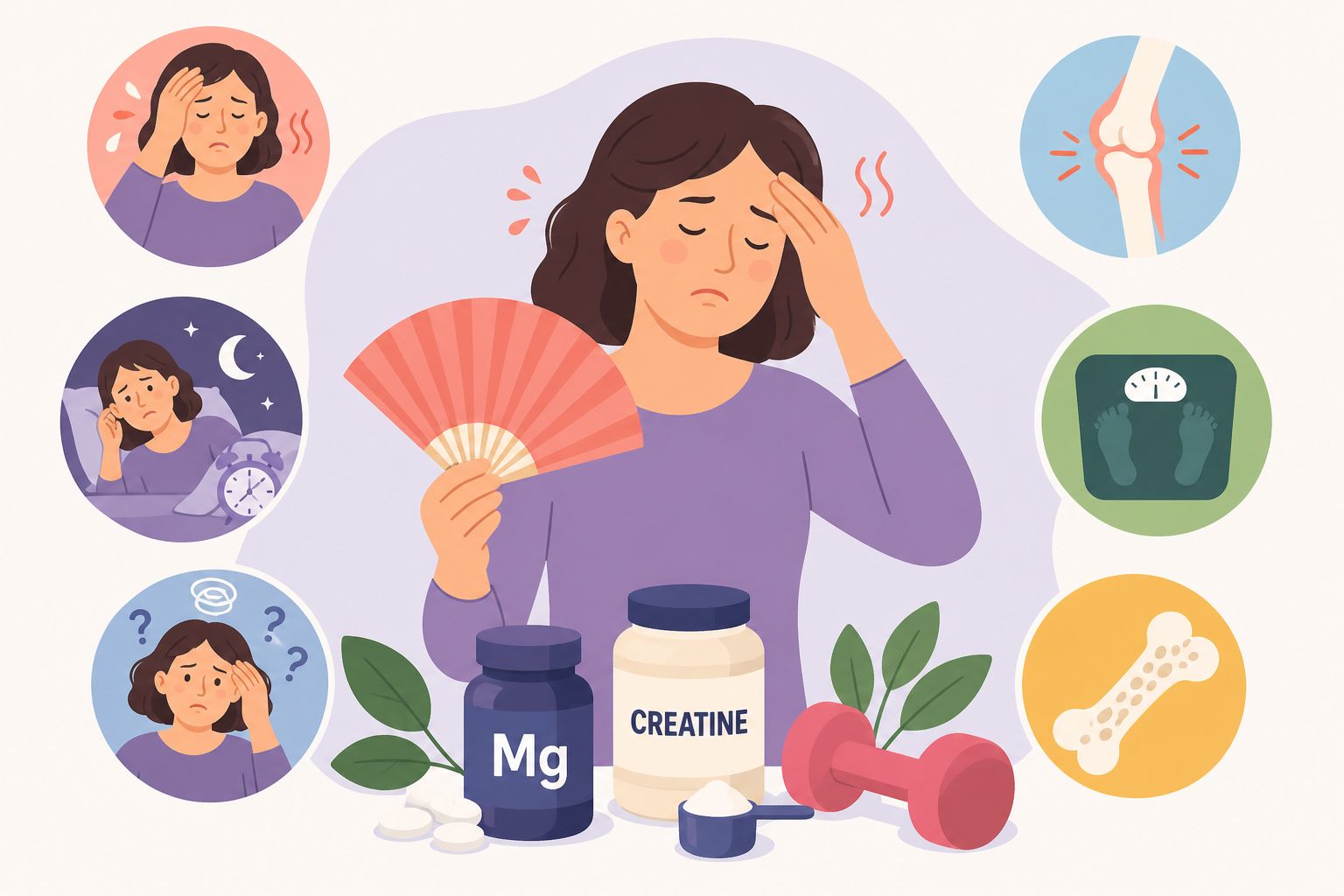
Postmenopausal and menopausal support products are becoming increasingly popular, from delicious sleeping pills to functional foods advertised to help improve memory, balance hormones and reduce fatigue.
However, according to Dipa Kamdar - Senior Lecturer on Pharmaceutical Practice (Kingston University), not all products have sufficient scientific evidence to prove their effectiveness.
In a new analysis, this expert said that magnesium and creatine are two types of functional foods that show more positive signals for women in pre-menopause and menopause.
At this stage, the decrease in estrogen hormone can cause many problems such as insomnia, anxiety, joint pain, memory decline, muscle mass reduction and increased risk of osteoporosis.
According to research, magnesium can help improve sleep, reduce anxiety and contribute to maintaining bone density in postmenopausal women, especially in those with magnesium deficiency. However, experts say, there is still no clear evidence that magnesium helps improve other symptoms during menopause.
Meanwhile, creatine - a functional food commonly used in the field of sports, is being studied more in premenopausal and menopausal women.
Some previous studies have shown that creatine can help increase muscle strength, improve sleep and support brain function during hormone fluctuations.
However, experts emphasize that more research is still needed to assess the long-term effectiveness of these products.
According to Dipa Kamdar, functional foods cannot replace a healthy lifestyle. Regular exercise, getting enough sleep, a balanced diet and controlling stress still play an important role in women's health during pre-menopause and menopause.


