
Degraded facilities, lack of specialized personnel
In recent years, the Ca Mau health system has been invested in and consolidated from the province to the grassroots level. The entire sector currently has 38 affiliated units, 64 commune and ward health stations and 100 health station points, creating a relatively widespread health care network. The medical personnel force reaches nearly 9,000 people, of which many doctors are deeply trained in the fields of cardiology, oncology, surgery, and obstetrics and pediatrics.
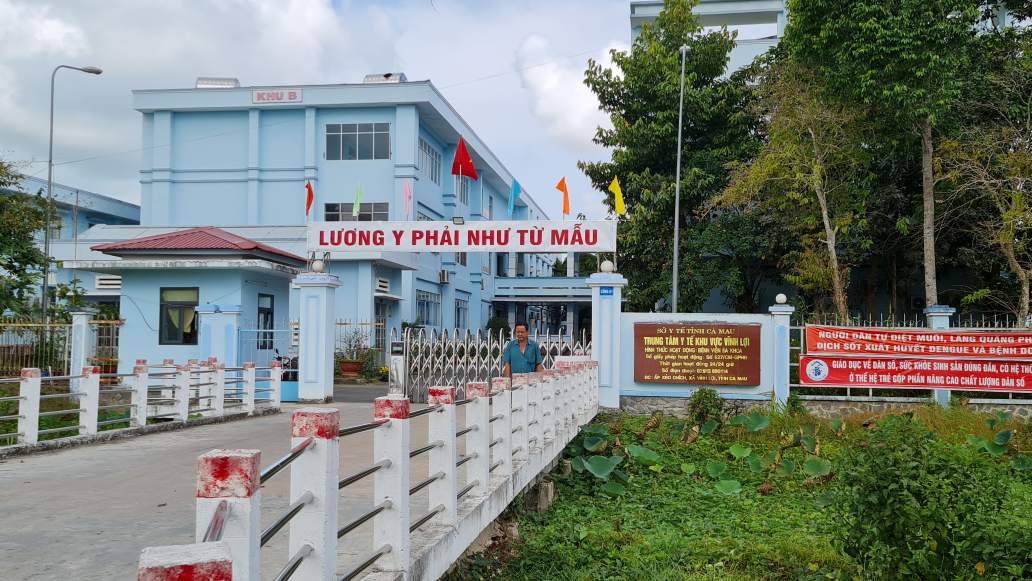
Some provincial and regional hospitals have mastered many advanced techniques such as cardiovascular intervention, stroke treatment, cancer radiation therapy, ERCP, neonatal hemodialysis..., contributing to reducing referrals and reducing treatment costs for patients.
However, reality shows that the quality of medical examination and treatment between levels is still clearly different. Most regional hospitals and commune health stations mainly receive and treat common diseases; many specialized departments have not been deployed. Fields such as pediatric orthopedic trauma, disease surgery, specialized ear-nose-throat, female pelvic floor treatment... are still lacking, causing people to still have to transfer to higher levels, causing overload for provincial hospitals.
Ca Mau Department of Health said that many hospitals, health centers and health stations have been built for a long time, are degraded but have not been upgraded synchronously. Medical equipment, although invested, lacks synchronization, many equipment are old and do not meet the conditions for deploying high technology, especially at the grassroots level.
Medical human resources continue to be a difficult problem. In the period 2022 - 2024, the whole province has only 69 people trained in university and 249 people trained in postgraduate studies, while each year there are about 100 officials who need long-term training and more than 4,000 people who need to update and professional development. Low income, disproportionate remuneration mechanisms, and a stressful working environment make the situation of doctor shortage, especially specialist doctors and grassroots doctors, still prolonged.
Innovation in governance, promoting private healthcare and digital transformation
Besides difficulties in human resources and facilities, management and administration capacity at some medical facilities has not kept up with new requirements. A part of the leadership is still heavily administrative, lacking proactive innovation. The application of science and technology and digital transformation has been implemented but the effectiveness is not high; medical data is still scattered, lacks a common platform, and technology infrastructure and information technology human resources are still limited.
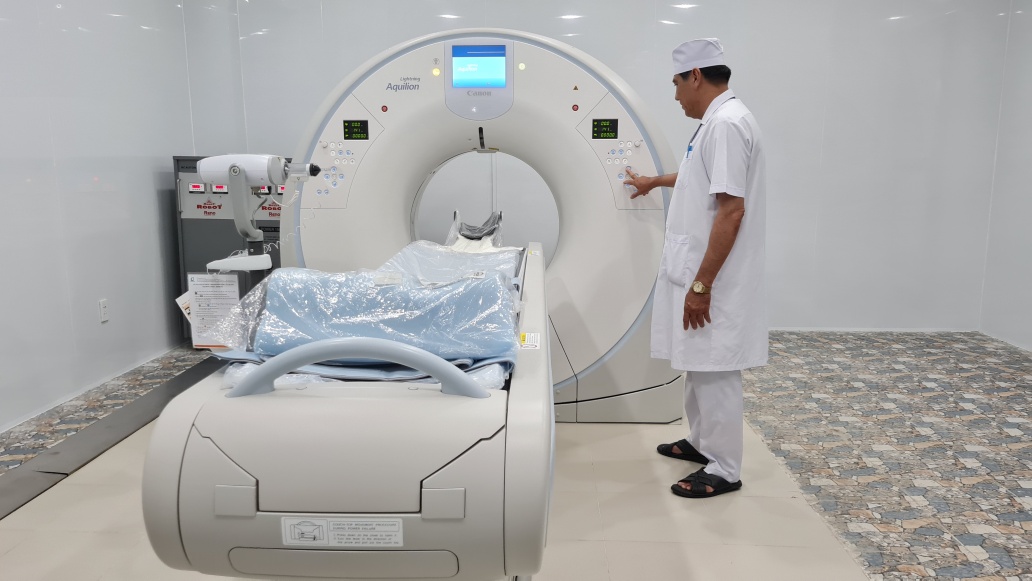
In the overall picture, the non-public health sector is emerging as an important supporting resource. The whole province currently has 4 private hospitals, 30 general clinics and more than 1,200 medical and pharmaceutical practice facilities. Many private facilities invest in modern equipment, focusing on service quality and service style, contributing to reducing the burden on the public health system.
Faced with the requirement to improve the quality of people's healthcare, Ca Mau sets a goal by 2030 to develop provincial-level hospitals to reach specialized levels, enhance the role of grassroots healthcare and promote digital transformation throughout the sector. The focus is on synchronously investing in facilities and equipment; developing high-quality medical human resources; innovating management mechanisms towards autonomy associated with accountability, putting patients at the center of service.
In parallel, there are specific policies to attract and treat to retain good doctors; strengthen training and technology transfer from upper to lower levels; promote the role of private healthcare through public-private partnerships; build a common health data platform, deploy electronic medical records, and remote medical examination and treatment.


