
Các nhà nghiên cứu Đại học Cincinnati, bang Ohio, Mỹ phát hiện mức độ nhiễm độc ở 2 hồ chứa nước ở trung tâm thành phố Tikal - thành phố Maya cổ đại có niên đại từ thế kỷ thứ 3 trước công nguyên và hiện nằm ở khu vực phía bắc Guatemala, Phys.org thông tin.
Phát hiện của các nhà nghiên cứu gợi ra khả năng hạn hán vào khoảng thế kỷ thứ 9 đã góp phần vào sự suy tàn và cuối cùng là bị bỏ hoang của thành phố Tikal.
"Việc chuyển đổi các hồ chứa trung tâm của Tikal từ những nơi duy trì sự sống sang những nơi gây bệnh có cả ý nghĩa thực tế và biểu tượng dẫn tới thành phố tráng lệ này bị từ bỏ" - nghiên cứu kết luận.
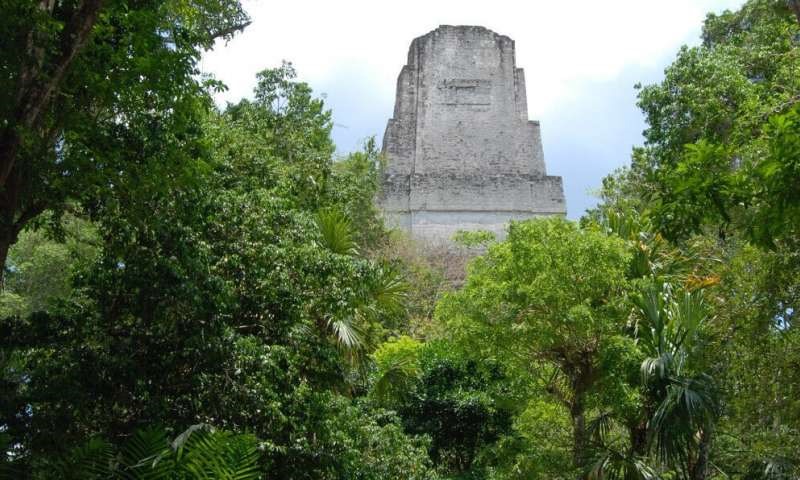
Một phân tích địa hóa học cho thấy, 2 hồ chứa gần cung điện và đền thờ thành phố có hàm lượng độc tính thủy ngân mà các nhà nghiên cứu Đại học Cincinnati lần lại cho thấy có nguồn gốc từ chất nhuộm màu mà người Maya cổ đại sử dụng để trang hoàng các tòa nhà, sơn đồ đất sét và các mặt hàng khác.
Trong mùa mưa bão, thủy ngân từ chất nhuộm màu ngấm vào các hồ chứa và lắng đọng trong các lớp trầm tích theo thời gian.
Tuy nhiên, những người Maya sống ở thành phố cổ này từng có nguồn nước uống dồi dào từ các hồ chứa không bị nhiễm độc ở gần đó, theo các nhà nghiên cứu của Đại học Cincinnati.
Chi tiết về nghiên cứu này được công bố trên tạp chí Nature journal Scientific Reports.
Nhóm nghiên cứu của Đại học Cincinnati rất đa dạng, gồm các nhà nhân chủng học, các nhà địa lý, thực vật học, sinh học và nhà hóa học, đã kiểm tra các lớp trầm tích từ thế kỷ thứ 9 khi Tikal vẫn là một thành phố hưng thịnh.
Trước đây, các nhà nghiên cứu phát hiện, các loại đất xung quanh Tikal trong thế kỷ thứ 9 cực kỳ màu mỡ và có nguồn từ các vụ phun trào núi lửa thường xuyên làm đất đai màu mỡ ở khu vực bán đảo Yucatan.
David Lentz - giáo sư khoa học sinh học Đại học Cincinnati, tác giả chính của nghiên cứu cho hay: "Các nhà khảo cổ học và nhân chủng học đã nỗ lực tìm hiểu xem điều gì xảy ra với nền văn minh Maya trong hơn 100 năm".
Trong nghiên cứu mới nhất, các nhà nghiên cứu lấy mẫu trầm tích tại 10 hồ chứa trong thành phố và tiến hành phân tích DNA cổ đại được tìm thấy trong đất sét phân tầng của 4 hồ chứa.
Trầm tích từ các hồ chứa gần đền thờ và cung điện trung tâm Tikal cho thấy dấu vết của vi khuẩn lam. Sử dụng nước bị nhiễm vi khuẩn lam, đặc biệt là trong thời gian hạn hán, có thể khiến con người bị bệnh, cho dù nước đã đun sôi, ông David Lentz cho hay.
"Chúng tôi đã tìm thấy hai loại tảo lam tạo ra các chất độc hại. Điều tồi tệ ở đây là chúng có khả năng chống sôi khiến nước trong các hồ chứa này quá độc hại để uống" - ông nói.
Tuy nhiên, các nhà nghiên cứu cho rằng, có thể người Maya không sử dụng nước trong những hồ chứa này cho uống, nấu ăn hay tưới tiêu.
Ngày nay, Tikal là một công viên quốc gia và di sản thế giới của UNESCO. Các nhà nghiên cứu tin rằng, sự kết hợp của các yếu tố kinh tế, chính trị và xã hội đã thúc đẩy người dân rời khỏi thành phố và các trang trại lân cận. Tuy nhiên, ông Lentz cho rằng, khí hậu, với mùa khô kéo dài khiến người dân gặp khó khăn trong tìm nguồn nước, chắc chắn là một yếu tố góp phần tới động thái này.


