
TASS reported that the new government in Hungary will conduct a comprehensive review of contracts to build the Paks II nuclear power plant designed by Russian nuclear energy corporation Rosatom, after project costs were said to have increased too sharply compared to the original.
The leader of the Tisza party, Mr. Peter Magyar - the upcoming Prime Minister of Hungary - said that he would consider "all confidential government regulations, all contracts and financial decisions" related to the project.
According to Mr. Magyar, one of the biggest problems is that the total investment of Paks II has increased from about 12 billion euros to 24 billion euros. He emphasized that the project still plays an important role in Hungary's energy security but needs to clarify financial terms, including the possibility of restructuring loans or refinancing under more favorable conditions.
The leader of the Tisza party also criticized the progress of implementing Pacs II in recent years as "extremely slow".
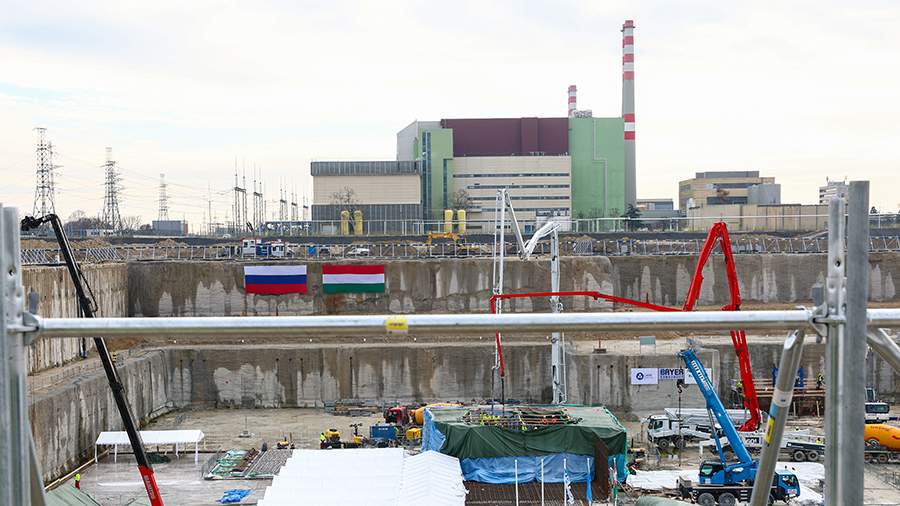
The Paks II project is implemented under a Russian-Hungarian intergovernmental agreement signed in 2014, in which the Russian side committed to finance most of the capital through a loan accounting for about 80% of the initial total investment. The plant is expected to build 2 units with VVER-1200 reactors and go into operation in the early 2030s.
Meanwhile, outgoing Prime Minister Viktor Orbán admitted after the election that he "regrets" that the government has not been able to promote the project on schedule, despite considering it a pillar of the national energy system.
In response, the head of Russian nuclear energy corporation Rosatom - Mr. Alexey Likhachev - said that the corporation is ready to dialogue with the Hungarian side and, if necessary, will prove the effectiveness as well as the price of the project.
Hungary's opening of the Paks II review takes place in the context of Europe becoming increasingly sensitive to energy projects with Russian elements. If financial terms are adjusted or the project is further delayed, this could become a major test for bilateral energy cooperation between Budapest and Moscow in the coming years.


