
On February 15, Hungarian Foreign Minister Peter Szijjarto and Slovak Economy Minister Denisa Sakova took urgent diplomatic action when sending a joint letter to the Croatian government in Zagreb. This information was confirmed by Mr. Szijjarto in a statement aimed at finding solutions to untie the energy bottleneck that is threatening the regional economy.
Oil transportation through the Druzhba pipeline running through Ukrainian territory has been completely suspended since the end of last month. The direct cause stems from Russia's large-scale attacks on Ukrainian energy infrastructure. However, deeper down is the tense confrontation between the Hungarian and Ukrainian governments over the responsibility to ensure security for this energy flow.
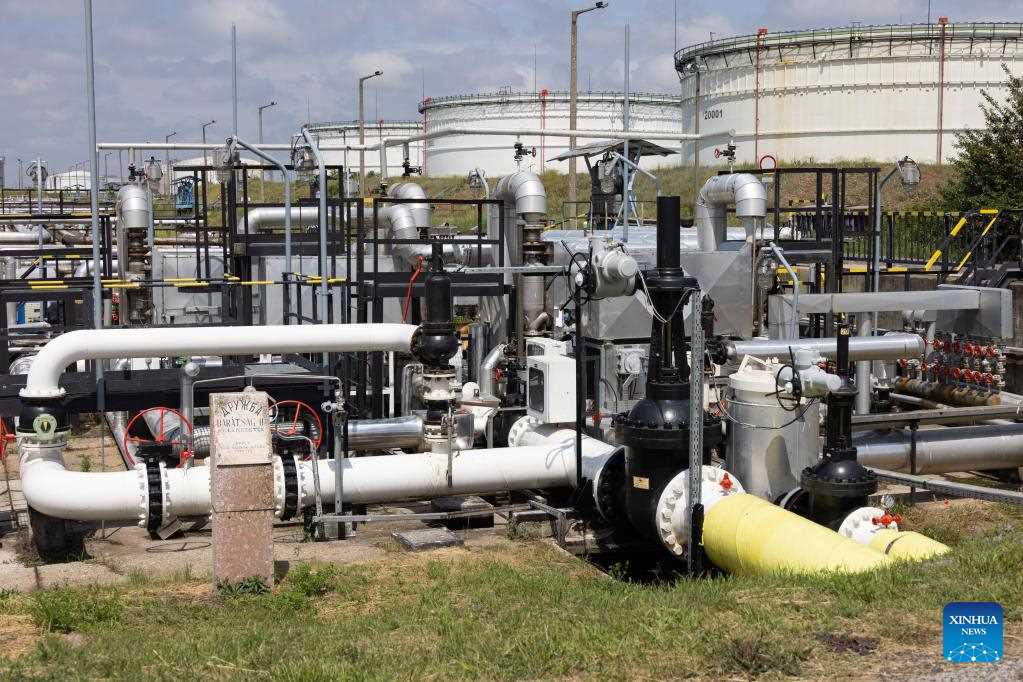
Hungary is currently heavily dependent on the Druzhba pipeline to maintain energy flow from Russia. This pipeline runs through the war zone in Ukraine and is the main source of oil for oil refineries in this coastless country. The disruption of the flow forces them to seek alternatives through the Adriatic Sea.
Hungarian Prime Minister Viktor Orban remains steadfast in his stance of continuing to buy energy from Russia despite geopolitical pressures from the West. He also frequently debates with neighboring Croatia about the actual transport capacity of the Adriatic pipeline. Hungary is concerned that the capacity of this route is not enough to fully compensate for the shortage from the east.
Slovak Prime Minister Robert Fico also found common ground with his Hungarian counterpart on this issue. On February 15, Mr. Fico expressed his agreement with the view that Ukraine is using the Druzhba pipeline as a political lever to put pressure on neighboring countries. However, Kiev has repeatedly denied this accusation and affirmed that the issues are due to the impact of conflict.
Energy policy is expected to be the focus of the important talks between Mr. Orban and US Secretary of State Marco Rubio in Budapest on February 16. The meeting takes place in the context that the US wants to tighten revenue from Russian energy while Hungary is trying to maintain this cheap supply to stabilize the domestic economy.


