On December 10, senior Hungarian government officials issued a strong message, affirming that the country will not comply with the provisions of the new migration treaty recently adopted by the European Union (EU).
Gergely Gulyas, chief of the Prime Minister's Office, said the EU interior ministers and judges had issued an implementation decision, which specifically stipulates the number of asylum seekers that Hungary must receive.
The strong opposition comes shortly after the European Council reached a political agreement on December 9 on the "Solidarity Fund" mechanism for migration in 2026. Under the plan, the EU is expected to resettle 21,000 refugees between member states, with a financial fund worth about $490 million.
However, Hungary warned that this mechanism has great potential risks when it allows "unlimited reallocation of migrants" in crisis situations, a prospect that Budapest considers unacceptable.
At a press conference, Mr. Gulyas said that Hungary would definitely not implement the treaty and would not accept even one single migratory person entering the border under this arrangement. He argued that the government had followed the democratic process when it held a previous poll, where the majority of people voted against compulsory resettlement. Therefore, he affirmed that Brussels does not have the right to decide who Hungarians must live with.
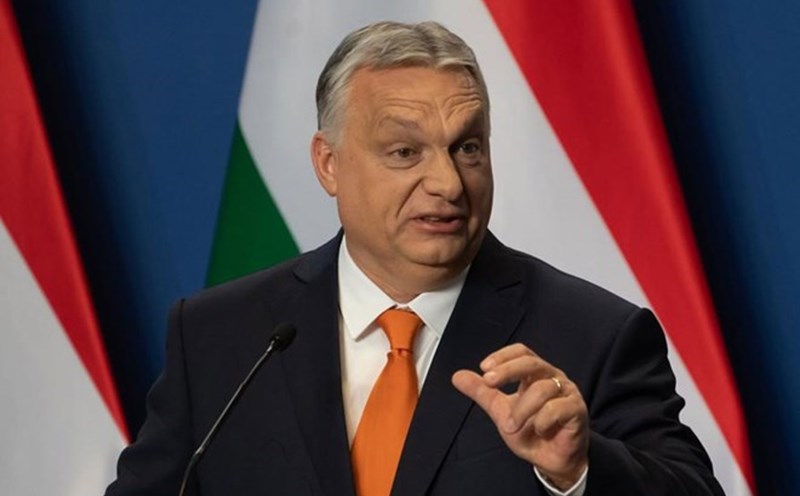
Prime Minister Viktor Orban also immediately criticized the EU's decision on social media, calling it a "new, unreasonable and unfair attack". The treaty puts Hungary in a position to choose between two bad options: Either accepting migrants from other countries, or paying a financial fine starting in July next year.
The Hungarian leader made a strong commitment that as long as the country had a national government, they would never implement this decision.