Bí ẩn kiến tạo mảng
Nhóm do nhà địa chất nghiên cứu Michael Ackerson, tại Bảo tàng Lịch sử Tự nhiên Quốc gia của Viện Smithsonian, Mỹ, dẫn dầu, cung cấp bằng chứng mới cho thấy kiến tạo mảng hiện đại, một đặc điểm xác định Trái đất và khả năng hỗ trợ sự sống của Trái đất, xuất hiện cách đây khoảng 3,6 tỉ năm, theo Phys.org.
Trái đất, là hành tinh duy nhất trong vũ trụ có sự sống được biết đến và một đặc điểm khiến hành tinh này trở nên độc đáo là kiến tạo mảng.
Không có hành tinh nào khác được khoa học biết đến có lớp vỏ động như Trái đất. Lớp vỏ Trái đất được chia thành các mảng lục địa di chuyển, đứt gãy và va chạm với nhau. Kiến tạo mảng tạo ra mối liên hệ giữa lò phản ứng hóa học bên trong Trái đất và bề mặt của Trái đất có môi trường mà con người có thể sinh sống hiện nay. Nhưng kiến tạo mảng bắt đầu khi nào và như thế nào vẫn còn là điều bí ẩn, bị chôn vùi dưới thời gian địa chất hàng tỉ năm.
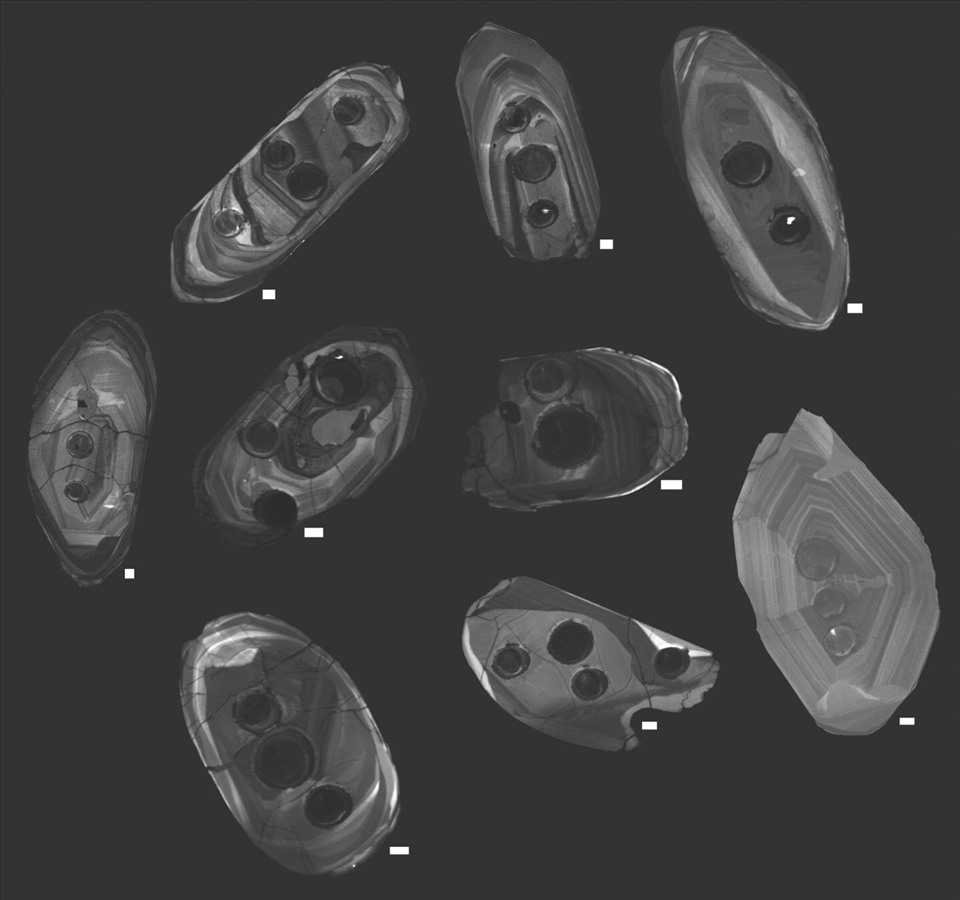
Nghiên cứu công bố ngày 14.5 trên tạp chí Geochemical Perspectives Letters. Các nhà khoa học sử dụng zircon, khoáng vật lâu đời nhất từng được tìm thấy trên Trái đất, để tìm hiểu về quá khứ xa xưa của hành tinh này.
Zircon lâu đời nhất trong nghiên cứu lấy từ Jack Hills ở Tây Australia, khoảng 4,3 tỉ năm tuổi. Điều này có nghĩa là những khoáng vật gần như không thể phá hủy này được hình thành khi Trái đất còn sơ sinh, chỉ khoảng 200 triệu năm tuổi.
Cùng với các zircon cổ đại khác được thu thập từ Jack Hills trải dài lịch sử sơ khai nhất của Trái đất đến 3 tỷ năm trước, những khoáng chất này cung cấp những gì gần nhất mà các nhà nghiên cứu có được về hồ sơ hóa học liên tục của thế giới sơ khai.
“Chúng tôi đang tái tạo lại cách Trái đất thay đổi từ một quả cầu đá và kim loại nóng chảy thành những gì chúng ta có ngày nay. Không có hành tinh nào khác có lục địa, đại dương lỏng hoặc sự sống. Theo một cách nào đó, chúng tôi đang cố gắng trả lời câu hỏi tại sao Trái đất là duy nhất, và chúng tôi có thể trả lời câu hỏi này ở một mức độ nào đó qua các zircon này" - Ackerson nói.
Manh mối xuất hiện của sự sống trên Trái đất
Để xem xét quá khứ hàng tỉ năm của Trái đất, Ackerson và nhóm nghiên cứu đã thu thập 15 tảng đá có kích thước bằng quả bưởi từ Jack Hills và nghiền thành cát.
Nhóm nghiên cứu thử nghiệm hơn 3.500 zircon bằng cách cho nổ bằng tia laser sau đó đo thành phần hóa học bằng khối phổ kế. Những thử nghiệm này cho thấy tuổi và hóa học cơ bản của mỗi zircon. Trong số hàng nghìn khoáng vật được thử nghiệm, khoảng 200 loại phù hợp để nghiên cứu.
Tuổi của zircon có thể được xác định với độ chính xác cao vì mỗi zircon đều chứa uranium. Hàm lượng nhôm của mỗi zircon cũng được nhóm nghiên cứu quan tâm.
Sau khi phân tích kết quả của hàng trăm zircon hữu ích trong số hàng nghìn zircon được thử nghiệm, Ackerson và cộng sự đã giải mã được sự gia tăng rõ rệt nồng độ nhôm vào khoảng 3,6 tỉ năm trước.
“Sự thay đổi thành phần này có khả năng đánh dấu sự khởi đầu của kiến tạo mảng kiểu hiện đại và có khả năng báo hiệu sự xuất hiện của sự sống trên Trái đất. Nhưng chúng tôi sẽ cần nghiên cứu nhiều hơn nữa để xác định mối liên hệ giữa sự dịch chuyển địa chất này với nguồn gốc sự sống" - nhà nghiên cứu Ackerson nói.
Dòng suy luận để liên kết các zircon có hàm lượng nhôm cao với sự khởi đầu của một lớp vỏ động với kiến tạo mảng là: Một trong số ít cách để các zircon có hàm lượng nhôm cao hình thành là tan chảy đá sâu hơn bên dưới bề mặt Trái đất.
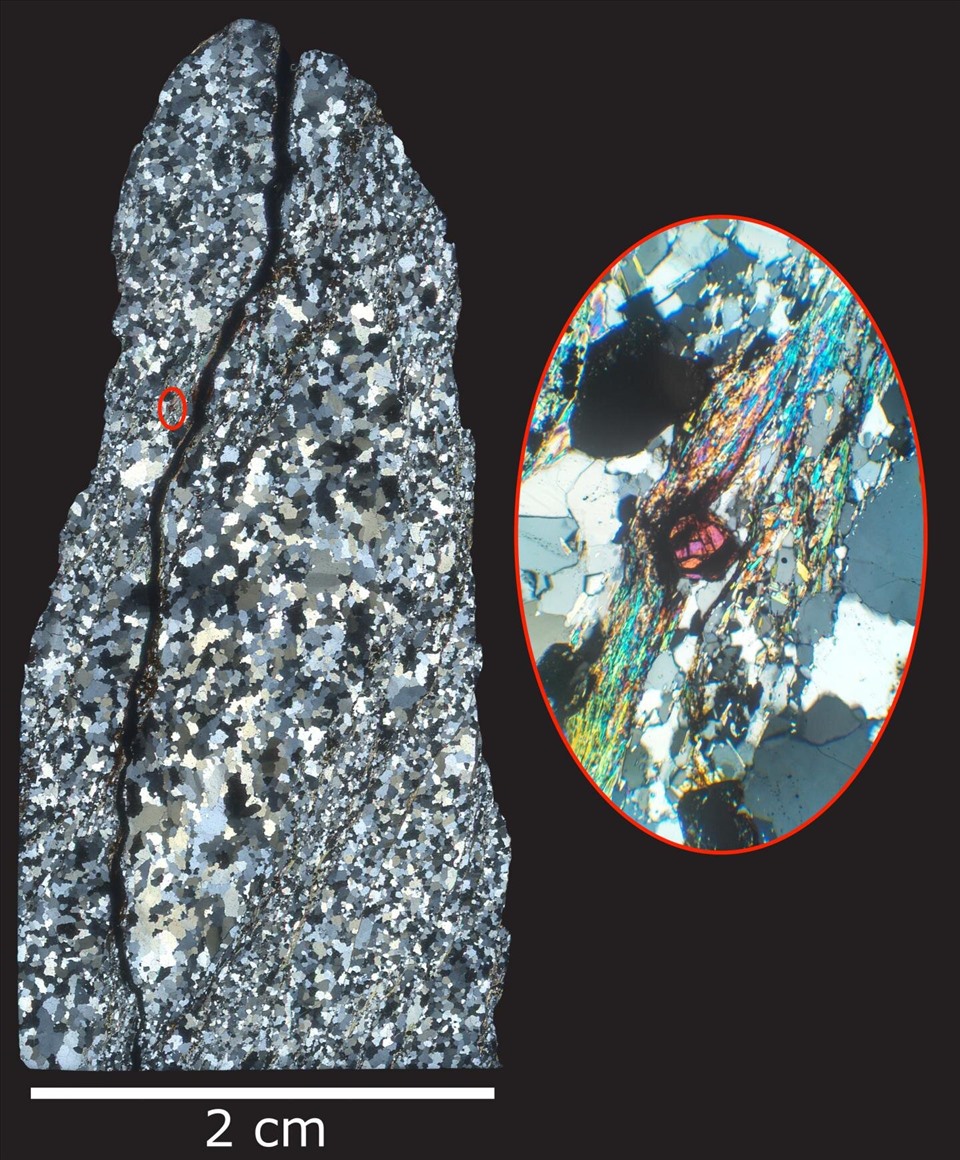
“Rất khó để đưa nhôm vào zircon vì các liên kết hóa học của chúng. Cần phải có điều kiện địa chất khá khắc nghiệt" - ông Ackerson lưu ý.
Ông lý giải rằng, dấu hiệu đá bị tan chảy sâu hơn bên dưới bề mặt Trái đất có nghĩa là lớp vỏ của hành tinh ngày càng dày hơn và bắt đầu nguội đi, và sự dày lên của lớp vỏ Trái đất là dấu hiệu cho thấy quá trình chuyển đổi sang kiến tạo mảng hiện đại.
Nghiên cứu trước đây về Acasta Gneiss 4 tỉ năm tuổi ở miền bắc Canada cũng cho thấy vỏ Trái đất đang dày lên và khiến đá tan chảy sâu hơn bên trong hành tinh. “Kết quả từ Acasta Gneiss giúp chúng tôi tin tưởng hơn vào cách giải thích của chúng tôi về các zircon Jack Hills" - nhà khoa học Ackerson nói thêm.