
In Chinese culture, horses are a familiar symbol of strength, speed, endurance and abundant vitality. The image of the horse goes deep into art, literature and folk thinking, forming many meaningful idioms, passed down over thousands of years.
The idioms about horses are not only images but also contain wishes, lessons and philosophy of behavior. In the Year of the Horse, those anecdotes are even more mentioned as messages for health, spirit and lifestyle.
The idiom about horses contains New Year greetings
Long Ma Tinh Than" is a familiar wish every beginning of the year in China. The idiom means "spirit of dragon and horse", used to wish someone good health, full vitality and perseverance.
Dragons and horses both symbolize extraordinary strength; in some anecdotes, "dragon horse" is also a legendary creature that converges the characteristics of both. Appearing from the Tang Dynasty, this idiom is especially popular in Tet greetings for the elderly.
Van ma bong dang" evokes the image of countless horses galloping, crashing sounds and turbulent spirit. Today, this phrase is often used to describe powerful forces, vibrant development trends or phenomena with great spreading power, bringing a feeling of being unstoppable.
Old horse knows the way" is a way of speaking that emphasizes experience. A typical example is that thanks to the old horse leading the way, the Zhou Dynasty army found a way back after getting lost. This idiom emphasizes the role of experienced people, those who accumulate enough impacts to handle situations surely.
The idiom about horses contains lessons and philosophy of behavior
Just a deer tells a horse" is a warning about distorting the truth. The typical story originates from the Qin Dynasty, when the cunning mandarin Zhao Gao deliberately called the deer a horse to test the hearts of the mandarins. This idiom is still used today to criticize the act of swapping right and wrong, manipulating the truth for personal gain.
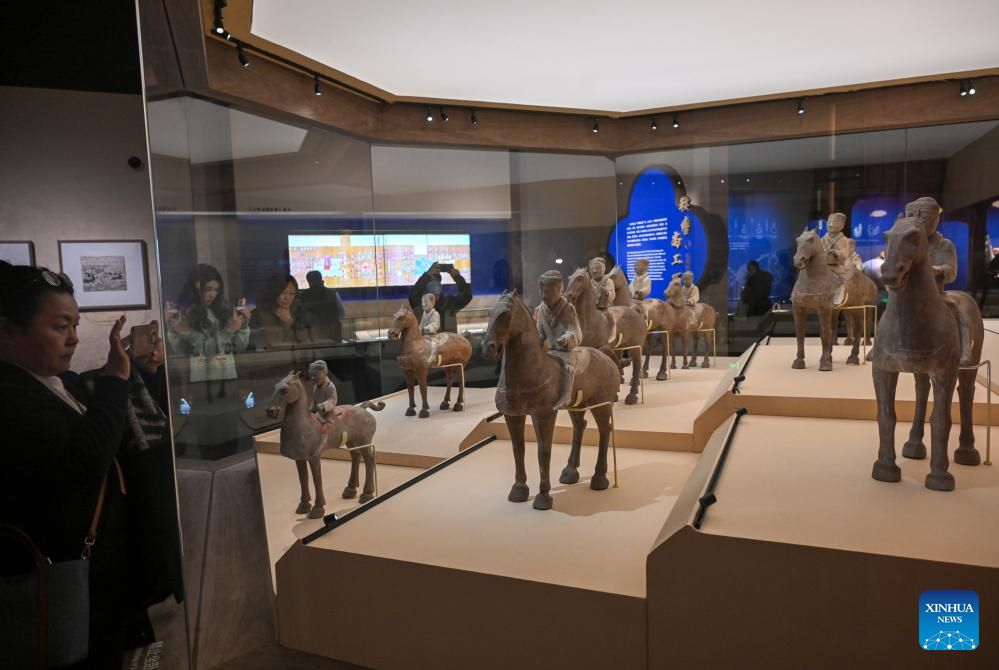
Riding a horse to see flowers" initially had the elegant image of leisurely enjoying flowers while riding a horse. However, over time, the idiom changed its meaning, used to refer to superficial observation, glancing through without thoroughly understanding the problem. Originating from Manh Giao's poetry of the Tang Dynasty, this phrase today often carries a critical tone of hastiness and lack of depth.
Riding a buffalo to find a horse" is popular in Hong Kong (China), meaning temporarily accepting an imperfect choice while continuing to seek something better. Previously, the phrase used to have a nuance of criticism of infidelity, but in the modern context, it is seen more flexibly, especially in work and career.
Reaching the cliff to restrain yourself" emphasizes stopping the danger in time. Appearing from ancient Yuan drama, this idiom compares correcting mistakes, although late, is still timely, advising people to wake up and turn around at the right time.
From wishes for health and spirit to warnings about behavior, idioms about horses reflect experience and life philosophies that have been refined over many centuries.
In the year of Binh Ngo 2026, those images and messages remind us of a strong start but also need to be alert, persistent and know when to stop at the right time.


