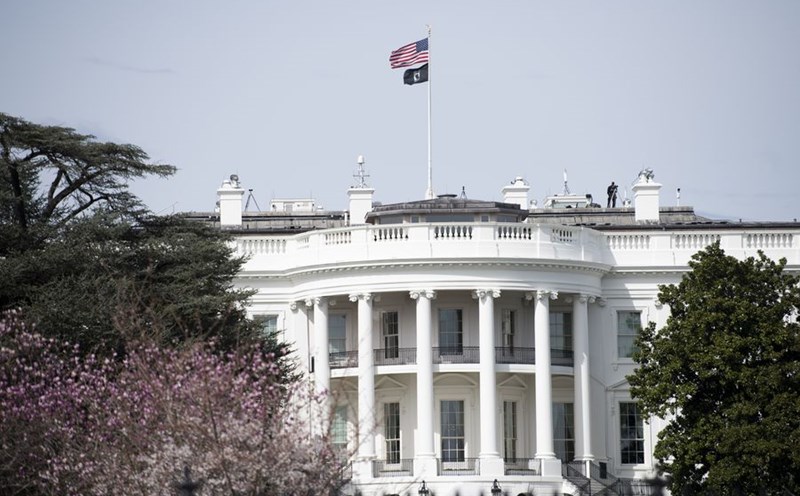
On the afternoon of December 10, President Donald Trump officially launched a new visa program called "Trump Gold Card" at a roundtable event at the White House. This is an ambitious new immigration roadmap, allowing wealthy foreigners to pay $1 million for accelerated approval, or companies can spend $2 million to secure a foreign worker they want to send to the US.
Immediately after the President's announcement, the program's official website, Trumpcard.gov, was put into operation, promising to bring the right to residence in the US in an unprecedentedly short time to candidates with financial capacity.
According to information published on this portal, the process of owning a "yellow card" includes a fee of 15,000 USD for processing documents paid to the Department of Homeland Security (DHS). After passing the security background check round, candidates will have to pay an additional "contributor" worth 1 million USD to complete the procedure.
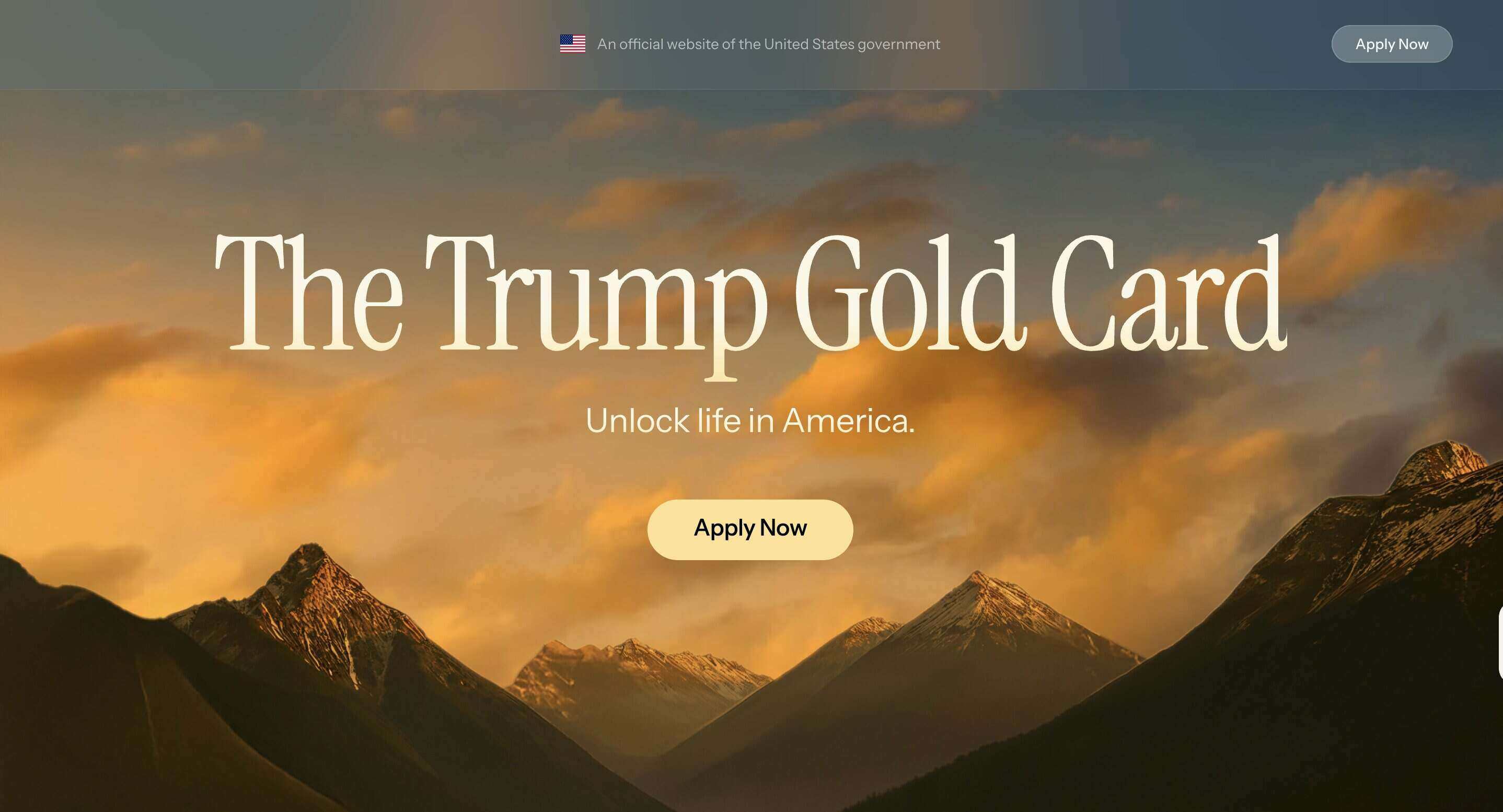
In return, successful candidates will receive legal permanent residence status as EB-1 or EB-2 visas, which are types of work-based visas often issued to individuals with extraordinary or outstanding abilities. The government has pledged that once the dossier is fully submitted, the approval process will take only a few weeks, including a mandatory interview.
The show's website also revealed an upcoming higher level called "Trump Platinum Card". With a contribution of up to $500 million and similar processing fees, the administration promises that eligible candidates will be allowed to stay in the US for up to 270 days without having to pay income tax on money earned outside the US territory.
Although the official launch date for this platinum card brand has not been announced, the website has begun to invite foreign citizens to register for the waiting list.
The move is part of Trump's broader immigration reform efforts, realized in the executive decree signed last September.
Commerce Secretary Howard Lutnick said the program was essentially an amendment to the previous EB-5 investment visa program. Mr. Lutnick once argued that instead of the traditional green card process that he thought forced the country to accept people from the lower group, the US will now only focus on attracting outstanding individuals from the upper class.
The government expects this initiative to raise up to $1 trillion to help repay the national debt.