
The European Commission (EC) is in a dilemma as it cannot yet set a specific time to announce the draft ban on Russian oil imports to European Union (EU) member states, as confirmed by spokeswoman Anna-Kaisa Itkonen at a press conference in Brussels on March 24.
I don't have a specific date to provide it yet. But I can affirm that we are still committed to making this proposal," Ms. Itkonen said, while emphasizing the stance of President Ursula von der Leyen that returning to energy imports from Russia would be "repeating the mistake of the past".
Previously, the milestone of April 15 was discussed as the time to announce the draft. However, the clause banning the import of Russian oil has now disappeared from the EC's agenda. According to Ms. Itkonen, the Committee's working schedule is only preliminary and this agency is "finding a new and more suitable time".
Although no specific deadline has been set, EU leaders still send a tough message. President von der Leyen affirmed that the bloc has no intention of allowing the resumption of Russian energy imports, even when Europe faces the risk of power shortages.
Meanwhile, Energy Commissioner Dan Jorgensen declared that the EU will not import "even a single molecule" of energy from Russia.
However, there is a significant gap between the statement and reality. The EU is still struggling with the problem of ensuring energy security in the context of unstable alternative supply, volatile energy prices and post-crisis recovery demand.
The delay in announcing the ban also reflects the increasing rifts within the EU, especially between Brussels and some Eastern European member states.
Tensions escalated after Kiev blocked Russian oil through the Druzhba pipeline - an important transportation route to Hungary and Slovakia. This move caused strong reactions from the two countries.
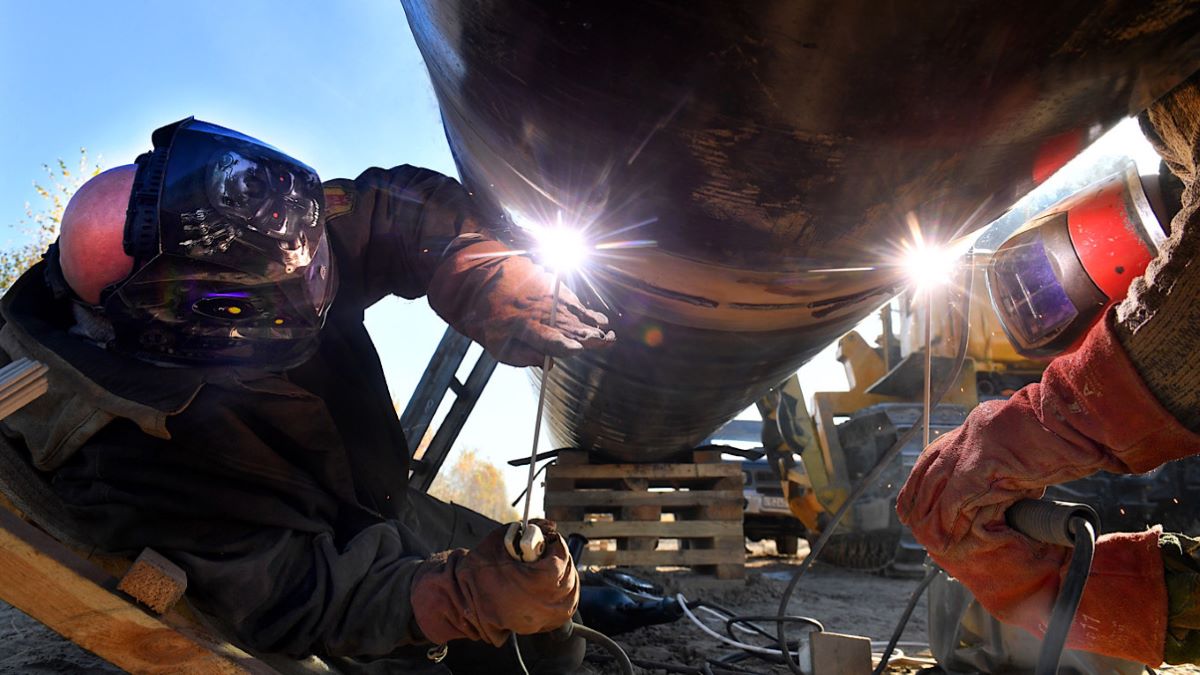
Budapest and Bratislava responded by blocking the EU's 90 billion euro military financing package for Ukraine, while preventing the passage of the 20th sanctions package against Russia.
This development puts Brussels in a difficult position: both wanting to maintain a tough stance with Moscow and maintaining internal consensus - a key factor for sanctions policies to take effect.
The disappearance of the Russian oil ban clause from the agenda is not just a technical issue. It shows that the EU is reconsidering its strategy in the context of increasing economic and political pressure.
Some experts believe that this may be a "relaxation" step to seek consensus before making an official decision. However, it is also possible that the EU is quietly adjusting its approach to Russian energy to avoid causing further shock to the market.
Regardless of the scenario, this delay also sends a clear signal that Europe's plan to abandon Russian oil and gas is not as easy as initial claims.


