
After 1 year of fierce mobile fighting, depleted battles around key logistics hubs and the steady decline of Ukraine's reserve forces, the front line once again stalled.
A similar scenario took place 1 year ago: The quiet winter gave way to Russia's major offensive in the spring, shaping most of the situation in 2025.
There is no sign that the Russian General Staff is giving up that approach. On the contrary, the current period seems to be just a transition, decided by the results of last year's campaigns and unfinished strategic goals.
Sumy Front: Peacefully distracts
After the Ukrainian army in Russia's Kursk region was defeated last spring, a buffer zone along the border was formed. Ukraine's counter-attack efforts here gradually subsided.
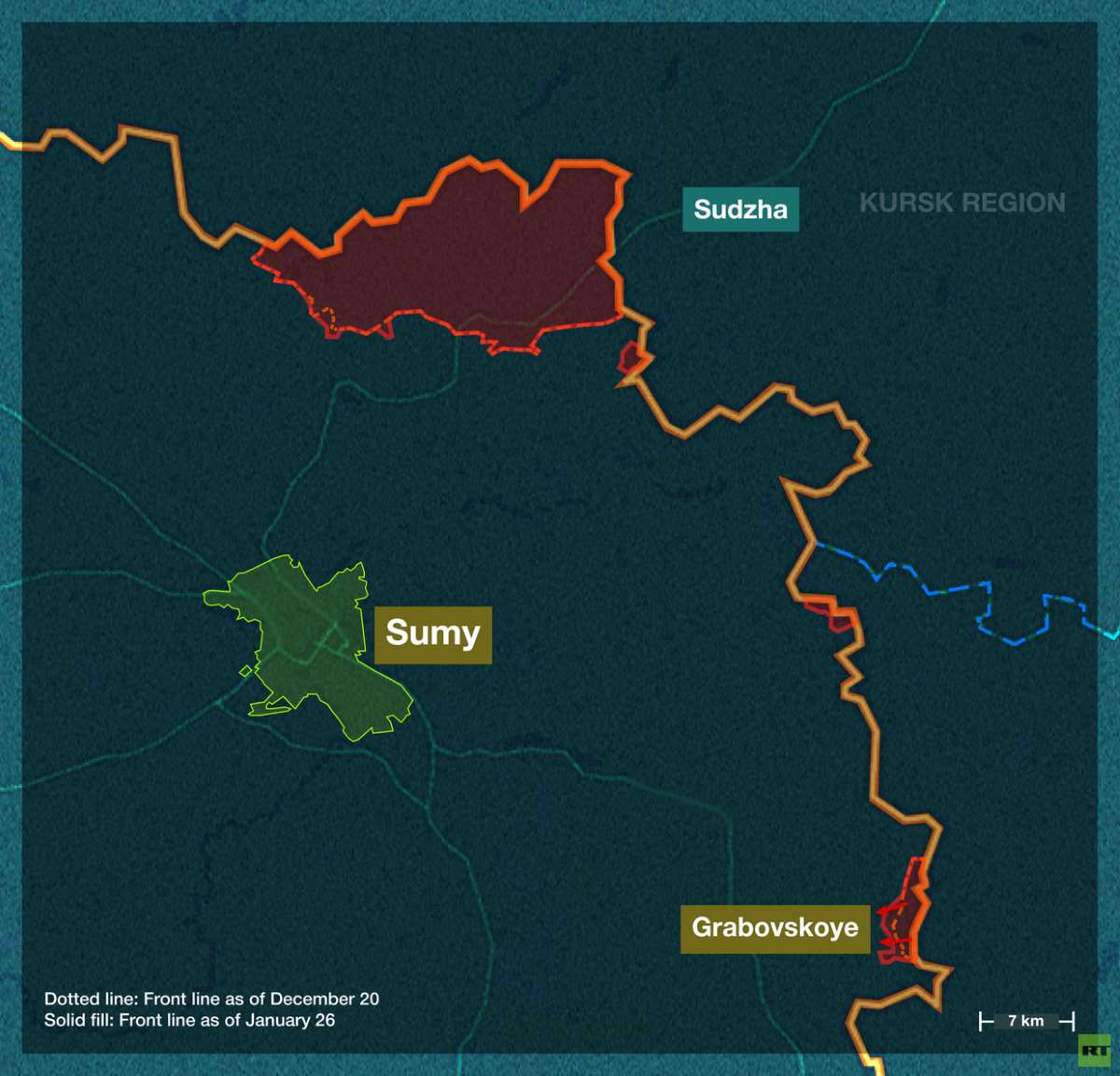
In December, the Russian Northern Army Group opened a new direction, occupying the large village of Grabovskoye almost without resistance. Sumy is likely to remain a secondary front, mainly aimed at stretching and containing Ukrainian reserve forces.
Logistics battle
At the end of 2025, fierce fighting revolved around Kupyansk. Russia gradually tightened its eastern encirclement, targeting the Kupyansk-Uzlovoy railway station, a key link to push the direct rail supply route from Belgorod to the battlefield.
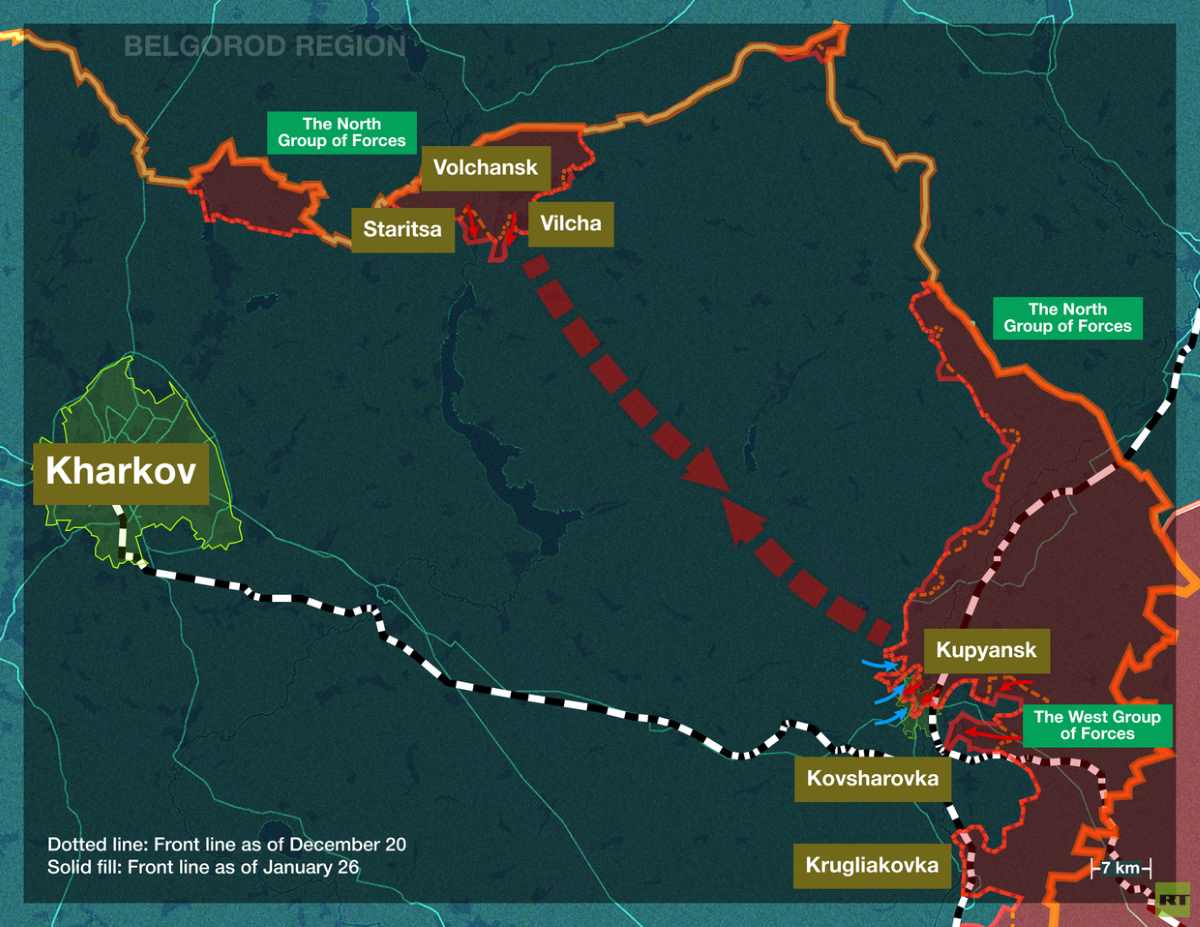
In Volchansk, after controlling the city at the end of November, Russia continued to advance 8-10 km to put pressure on the rear of Ukrainian units counter-attacking near Kupyansk. This axis remains supportive until Kupyansk is completely controlled.
Seversky Donets river gateway
Russia's Western Military Group continues to erode the Liman defense group, where the last bridges across the Seversky Donets were destroyed in January.
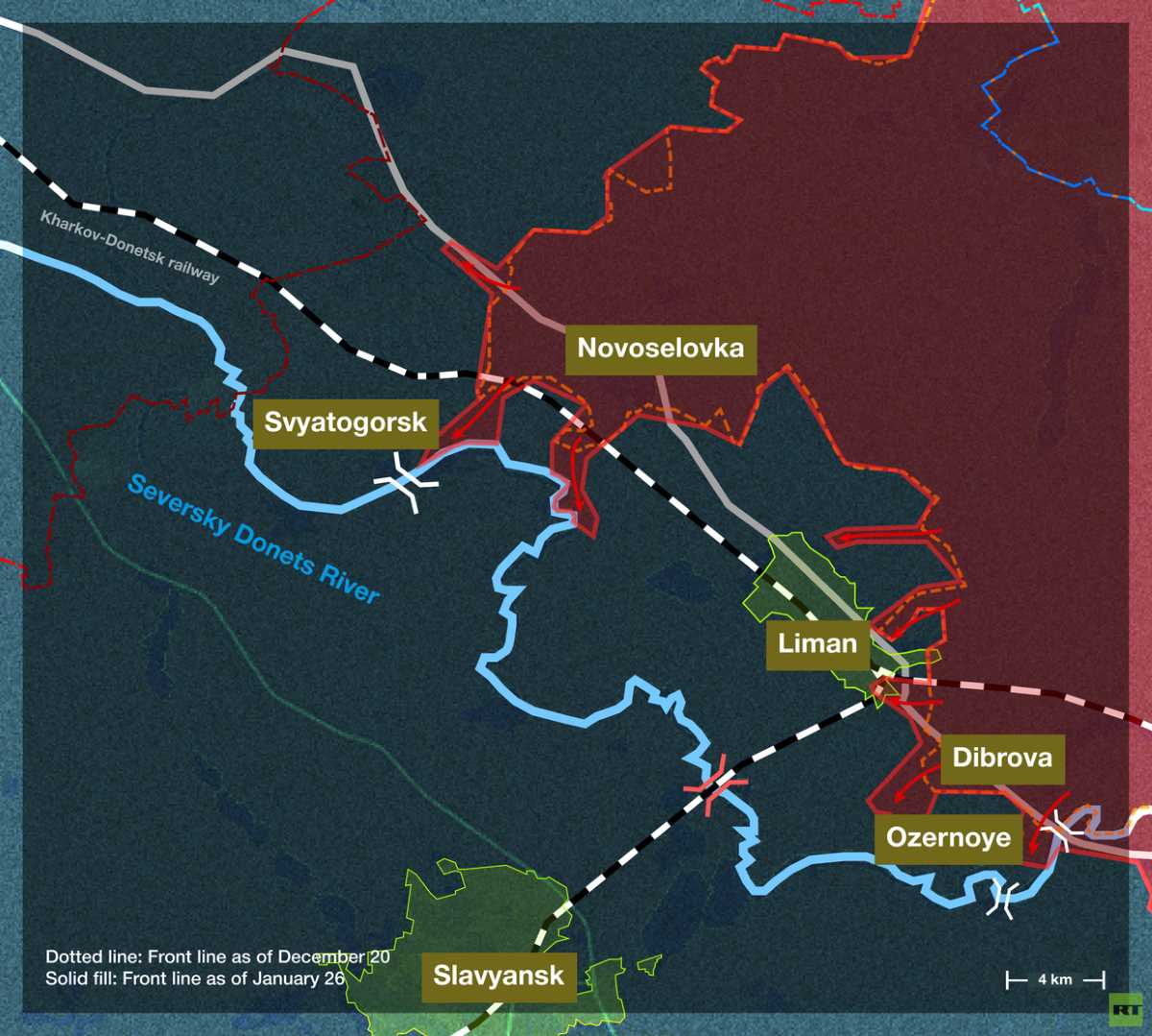
At the same time, the Russian army approached the riverbank at many points, creating a springboard for larger operations towards Slavyansk and Kramatorsk - which was once a major challenge for Russia in 2022.
Seversk - Chasov Yar - Konstantinovka: Curling up Slavyansk - Kramatorsk
This is one of the hottest areas at the beginning of the year. Russia moved along the river from Seversk to Slavyansk, while creating an encirclement of Konstantinovka.
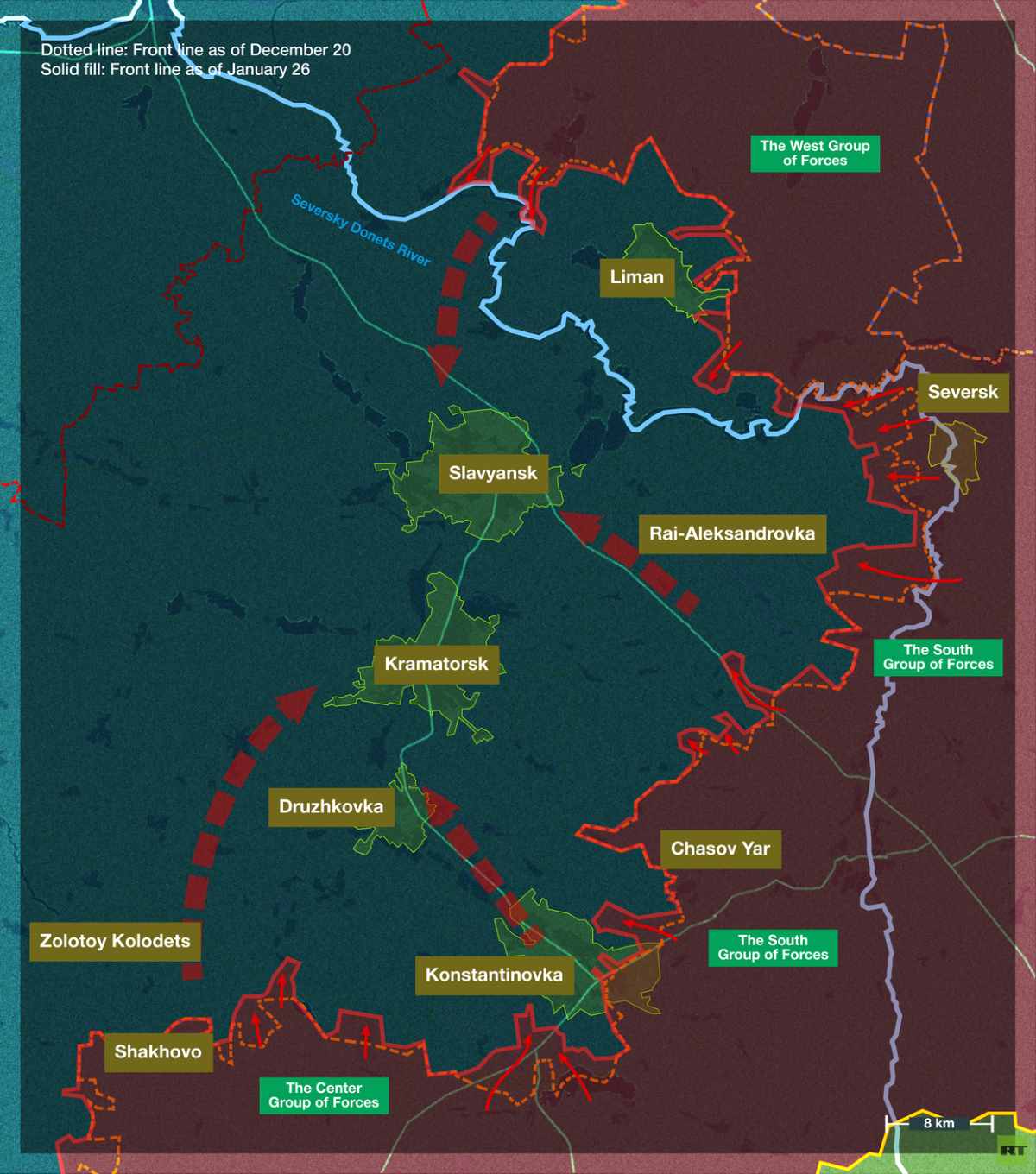
If Russia crosses the Seversky Donets river south of Liman and conquers Konstantinovka, it can approach the Slavyansk - Kramatorsk defense cluster from three directions.
This is considered a campaign that may be decisive in the year, but it is unlikely to happen before the second half of 2026 due to the need for large-scale coordination between many military groups.
Pokrovsk - Mirnograd: Strategic turning point
At the end of December 2025, the Mirnograd "bag" fell, and two Ukrainian brigades fell into a siege. After capturing Rodninskoye and controlling the suburbs of Pokrovsk, the Central Military Group of Russia temporarily stopped to resupply forces.
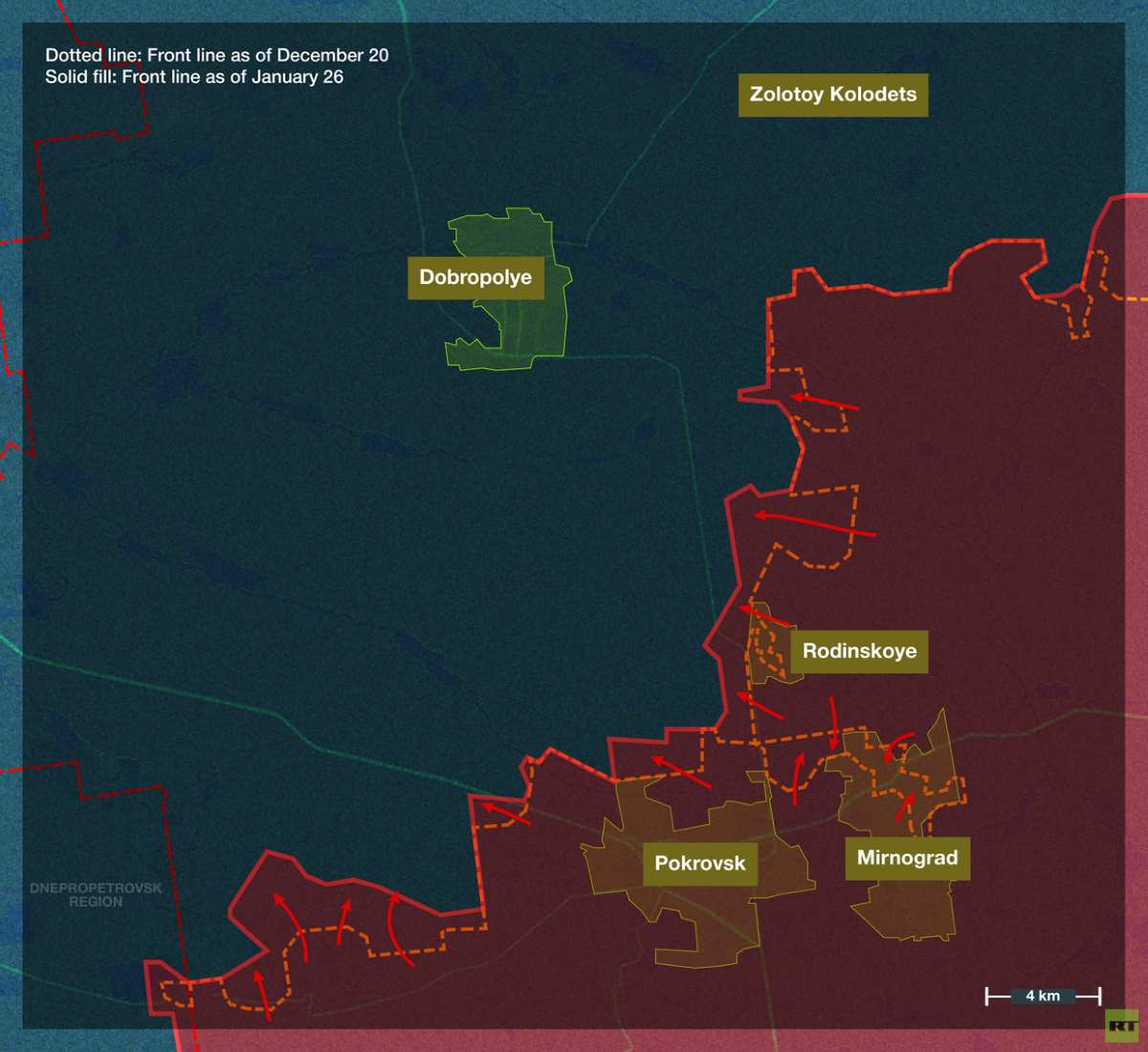
From here, Russia can advance north to Dobropolye to create a pincer south of Slavyansk-Kramatorsk, or attack straight to the west, where the Ukrainian defense is thinner on the edge of the Dnepropetrovsk region.
Southern major target
The advances of the Eastern Army Group, the rapid collapse of the Ukrainian defense around Gulaipole and the warming up of the Dnieper River front have opened the way towards Zaporizhzhia (Zaporozhye).
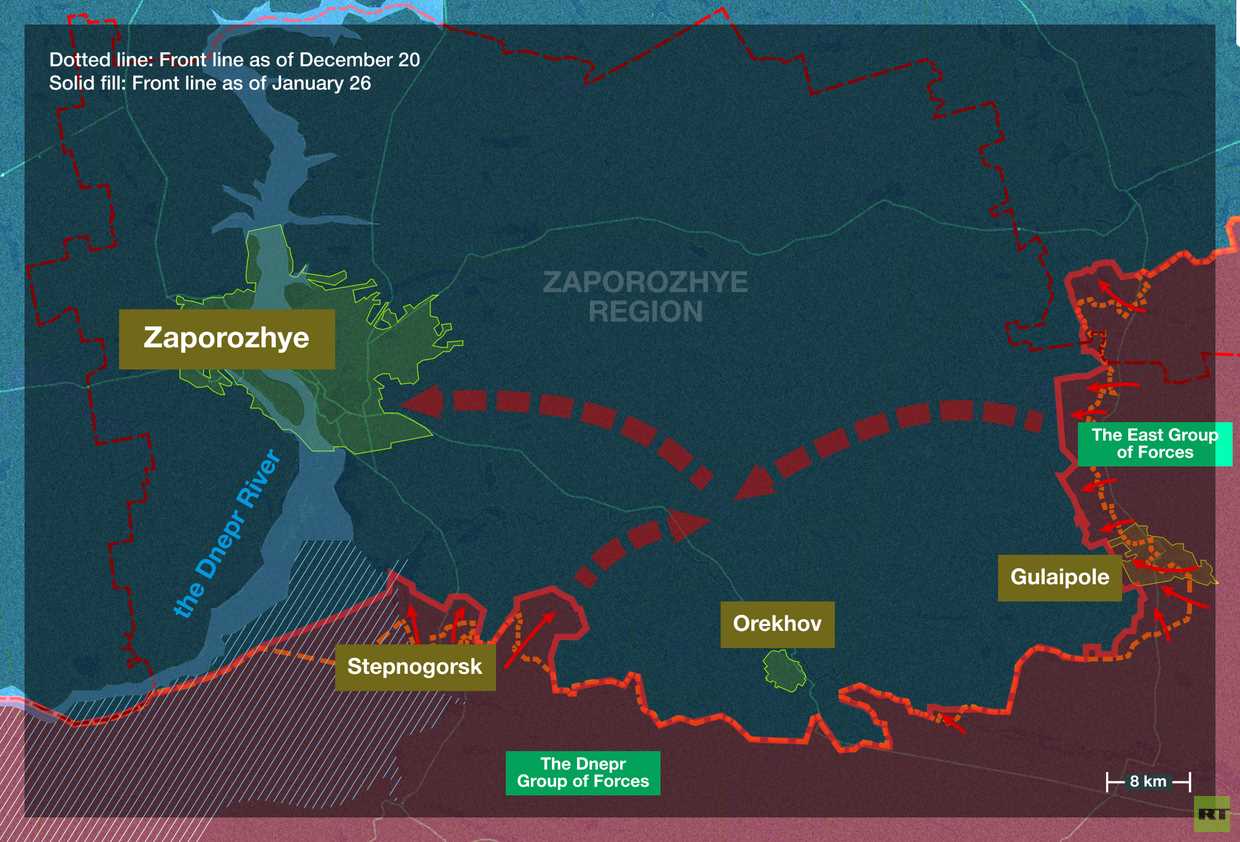
Orekhov - the remaining key stronghold - is gradually being approached from both sides. If Ukraine suffers similar losses to Pokrovsk - Mirnograd, the possibility of retaining Zaporizhzhia, at least on the left bank, will be questioned.
Overall, the winter picture shows that Russia is preparing many offensive options, with Slavyansk - Kramatorsk and Zaporizhia emerging as potential focuses shaping the situation in 2026.


