
According to sources, the oil export schedule has been adjusted with the Druzhba oil pipeline being sent to Kazakhstan and Germany.
The cessation of exports from Kazakhstan will further destabilize Germany's fuel supply as the Iranian conflict disrupts energy supplies from the Middle East just a few years after decades-long energy relations between Berlin and Moscow were disrupted by the conflict in Ukraine.
In 2025, Kazakhstan's oil exports to Germany through Russia's Druzhba oil pipeline reached a total of 2.146 million tons, equivalent to about 43,000 barrels/day, an increase of 44% compared to 2024. In the first quarter of 2026, exports reached 730,000 tons.
The complete cessation of Kazakhstan's oil exports to Germany through Druzhba means losing about 17% of the total 12 million tons of oil per year that the German PCK refinery processes.
PCK is one of the largest factories in the country, located in the town of Schwedt in the northeast of the country. 9 out of 10 cars in the Berlin and Brandenburg regions use fuel from this factory.
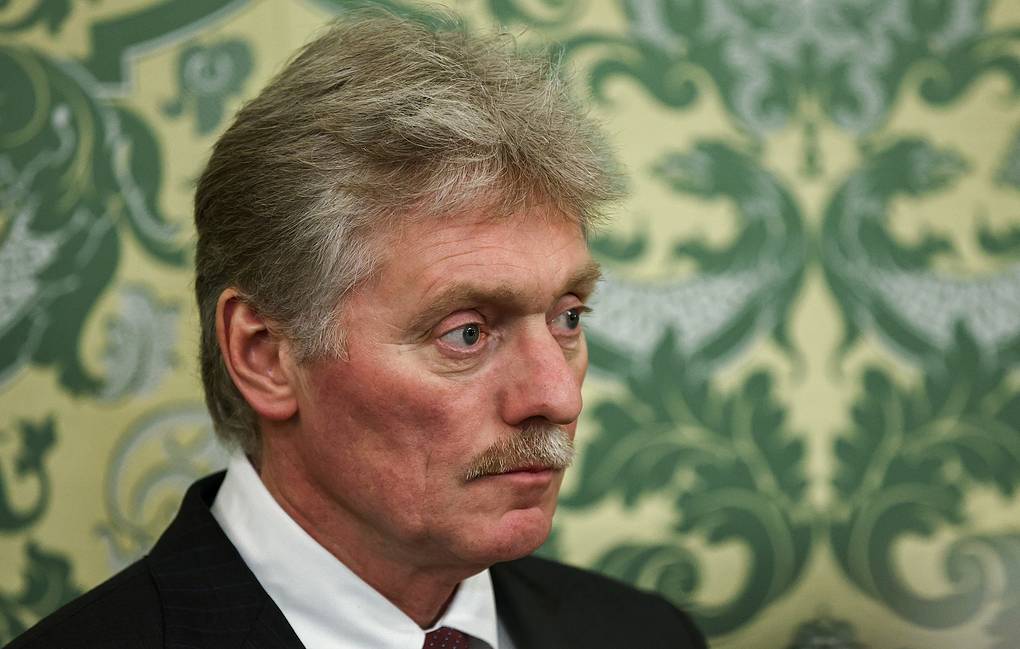
When asked to comment, Kremlin spokesman Dmitry Peskov said he was unaware of the move to stop exports through the Druzhba oil pipeline. "We will try to check" - Mr. Peskov said.
Political and business relations between Russia and Germany have been strained due to the conflict in Ukraine. Russian oil transportation has been suspended after the conflict broke out and Berlin has placed the units of Russia's largest oil producer Rosneft in Germany under supervision since 2022.
Kazakhstan supplies oil to PCK through the northern branch of the Druzhba pipeline, which runs through Poland, since 2023. However, this oil supply has been continuously disrupted by Ukrainian drone attacks on the pipeline section in Russian territory.
A spokesman for PERN - the Polish pipeline operator - said that the company is ready to transport oil to non-Russian PCK shareholders through Gdansk port if requested. Shareholders of the Schwedt refinery include Rosneft, Shell and Eni.


