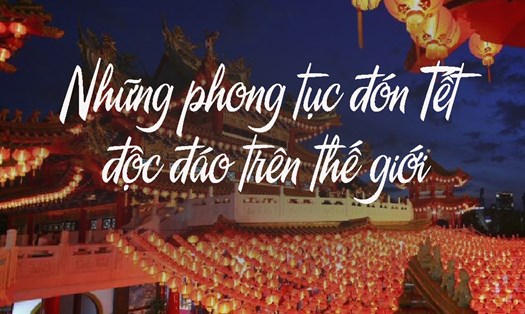
Preparing for Tet in Malaysia starts a few weeks before the official day. Chinese families often clean and decorate their houses with red decorations such as parallel sentences, lanterns, and "lucky" symbols to drive away bad luck and welcome new luck. The red image is a characteristic of the festival season, symbolizing wealth, luck and prosperity.
New Year's Eve, family reunion meals are the most important occasion of the year. Every family member, even those far from home, tries to return to gather around the traditional meal tray.
Some dishes that symbolize good luck often appear such as whole fish (symbol of abundance), sticky rice cakes (the term "nian gao" symbolizing progress), and yee sang - a salad of raw fish with colorful vegetables. This dinner is not just a meal but also contains wishes for prosperity and good luck for the whole year.
On the first day of the new year, young people often wear new clothes, visit relatives and especially wish Tet to the elderly with wishes such as "Gong Xi Fa Cai" (Wishing prosperity).
In response, adults often give lucky money with red lucky money envelopes, inside which are lucky money symbolizing fortune and peace. This custom attracts Malaysians who are not of Chinese origin to participate, reflecting the spirit of sharing and community cohesion.
Another unique cultural feature of Malaysia is lion dance and dragon dance, which often appear in shopping centers, neighborhoods and temples. The vibrant dances with drums, gongs and cheers not only attract tourists but are also believed to drive away evil spirits and bring good things for the new year.
Lunar New Year in Malaysia is also associated with visiting pagodas, worshiping ancestors and praying for blessings for the family. Many people visit famous pagodas such as Thean Hou in Kuala Lumpur or local temples to burn incense, pray and draw fortunes - activities that are both spiritual and an opportunity to connect with long-standing cultural traditions.
Although the official Tet holiday only lasts 2 days, the Lunar New Year experience of Chinese people in Malaysia takes place completely throughout 16 days, from the Lunar New Year's Eve to Chap Goh Mei (the full moon of the first lunar month).
Throughout the 16-day holiday, many Malaysian families open their homes to welcome friends and neighbors of all ethnicities to visit, enjoy pastries, fruits, and tea. This reflects the multicultural and social harmony of Malaysia, where ethnic festivals are shared, respected, and cherished by each other.
The peak of Tet is Chap Goh Mei (15th day of the lunar month), marking the end of the festival series. In some places such as Penang and Kuala Lumpur, there are unique activities such as the Chingay parade - a colorful street parade, blending music, lion dances and cultural performances attracting a large community to participate.
Lunar New Year in Malaysia is not only an occasion to remember origins and reunite families, but also a festival imbued with the spirit of sharing, harmony and honoring the diverse identity of the country. Through these customs, not only the Chinese community but also the entire Malaysian society celebrate together in the hope of a new year of peace, prosperity and peace.