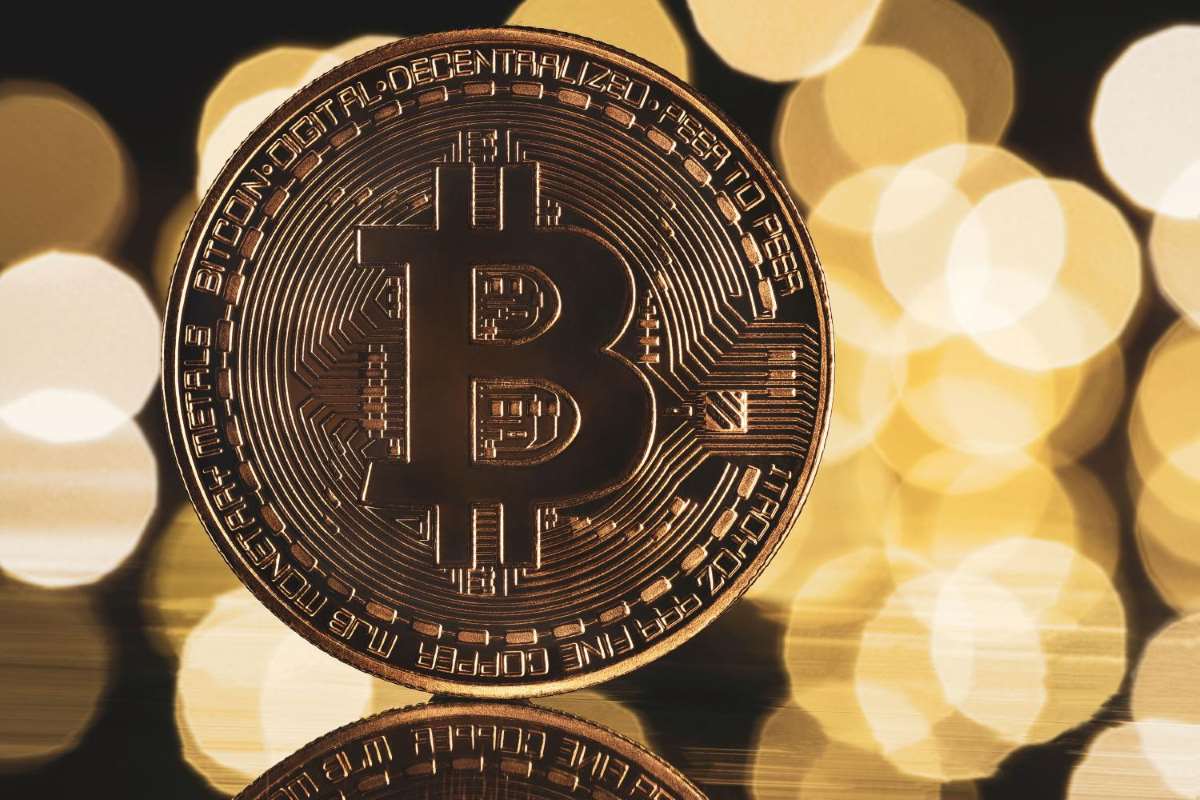
Bitcoin, cùng với các loại tiền điện tử lớn khác như ethereum và XRP, đã tăng vọt trong năm nay. Giá bitcoin vừa có “thời điểm bước ngoặt” trị giá 4.000 tỉ USD, trong khi ethereum, XRP và các đồng tiền điện tử lớn khác đang chuẩn bị cho thời điểm bom tấn ở Phố Wall - tờ Forbes đưa tin ngày 16.6.
Giờ đây, sau khi Cục Dự trữ Liên bang Mỹ (FED) lặng lẽ thừa nhận vàng đang thay thế đồng USD, Quỹ Tiền tệ Quốc tế đã cảnh báo về sự sụt giảm "giật mình" tỉ trọng đồng USD trong dự trữ ngoại hối của các ngân hàng trung ương và chính phủ.
“Đáng chú ý là vai trò suy giảm của đồng USD trong hai thập kỷ qua không tương xứng với sự gia tăng tỉ trọng của các loại tiền tệ lớn khác là đồng euro, yên và bảng Anh” - các nhà kinh tế của IMF, Serkan Arslanalp, Barry Eichengreen và Chima Simpson-Bell viết trong một báo cáo đăng trên website của IMF.
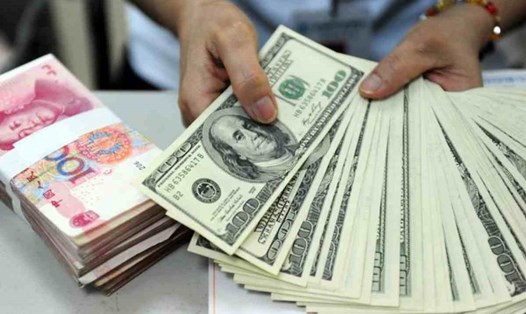
Họ viết: “Thay vào đó, nó đi kèm với sự gia tăng tỉ trọng của những gì chúng tôi gọi là tiền dự trữ phi truyền thống, bao gồm đồng đôla Australia, đôla Canada, đồng nhân dân tệ Trung Quốc, đồng won Hàn Quốc, đôla Singapore và các loại tiền tệ Bắc Âu”.
Theo các nhà kinh tế, các công nghệ tài chính kỹ thuật số mới như tạo lập thị trường tự động và hệ thống quản lý thanh khoản tự động đã góp phần thúc đẩy sự thay đổi đó.
Đầu tháng 6, Ngân hàng Dự trữ Liên bang New York công bố báo cáo phác thảo về "sự sụt giảm tỉ trọng đồng USD trong dự trữ chính thức và vai trò ngày càng tăng của dự trữ vàng đối với các ngân hàng trung ương”, cho rằng đây không phải là xu hướng chung mà chỉ là hành động của một nhóm nhỏ các quốc gia.
Tuy nhiên, một số nhà bình luận không đồng tình với đánh giá của FED New York.
“FED hiện thừa nhận một số quốc gia đang chuyển sang vàng” - nhà đầu tư công nghệ và cựu giám đốc công nghệ của Coinbase Balaji Srinivasan đăng trên mạng X, chỉ ra những gì FED nói là một “nhóm nhỏ” “đại diện cho 3 tỉ người, tức là 37,5% thế giới đang chuyển từ USD sang vàng".
Nhà đầu tư mạo hiểm Chamath Palihapitiya - người sáng lập và Giám đốc điều hành của Social Capital - dự đoán bitcoin có thể thay thế hoàn toàn vàng khi các quốc gia sử dụng loại tiền kỹ thuật số này, có khả năng đẩy vốn hóa thị trường của bitcoin lên tới 15,7 nghìn tỉ USD.
Sự sụt giảm của đồng USD xảy ra khi Cục Dự trữ Liên bang Mỹ FED đang chuẩn bị cắt giảm lãi suất sau cuộc chiến chống lạm phát kéo dài hai năm do hậu quả của các biện pháp kích thích và in tiền thời COVID-19.
“Các ngân hàng trung ương trên thế giới đã bắt đầu cắt giảm lãi suất, điều này cho thấy xu hướng nới lỏng tiền tệ rộng hơn” - các nhà phân tích tại sàn giao dịch bitcoin và tiền điện tử Bitfinex cho hay.
Chủ tịch FED Jerome Powell trong tuần trước cho biết FED sẽ cắt giảm lãi suất ít nhất một lần trong năm nay sau khi Ngân hàng Trung ương châu Âu (ECB) hạ lãi suất ở khu vực Eurozone vào đầu tháng này.
Các nhà phân tích của Bitfinex cho biết thêm: “Có dấu hiệu rõ ràng rằng Ngân hàng Anh và Cục Dự trữ Liên bang sẽ tiếp bước ECB trong những tháng tới. Chu kỳ thanh khoản toàn cầu cho thấy nguồn cung tiền có khả năng tăng lên, điều này có thể hỗ trợ giá tài sản, bao gồm cả tiền điện tử”.
Tại Việt Nam, đại diện Ngân hàng Nhà nước đã nhiều lần phát đi thông điệp: Bitcoin và các loại tiền ảo tương tự khác không phải là tiền tệ và phương thức thanh toán hợp pháp tại Việt Nam.
Việc phát hành, cung ứng, sử dụng Bitcoin và các loại tiền điện tử tương tự khác làm phương tiện thanh toán là hành vi không đúng với pháp luật hiện hành.