On January 21, Spanish Foreign Minister Jose Manuel Albares made a strong call ahead of the World Economic Forum (WEF) in Davos, Switzerland.
Mr. Albares believes that the EU needs to give maximum priority to the merger of existing resources. The first goal is to comprehensively integrate the defense industry, thereby moving towards establishing an "alliance of people ready to fight".
The head of Spanish diplomacy argued that maintaining 27 national armies operating separately as they are now is a huge and inefficient waste of resources. According to him, the combined strength of a unified bloc will far exceed the capabilities of each country combined.
He also acknowledged a reality: Whether European citizens are willing to join a common military force is a "legitimate debate" and takes time. However, he believes that the ability to gather a large enough force at the alliance level is completely feasible.
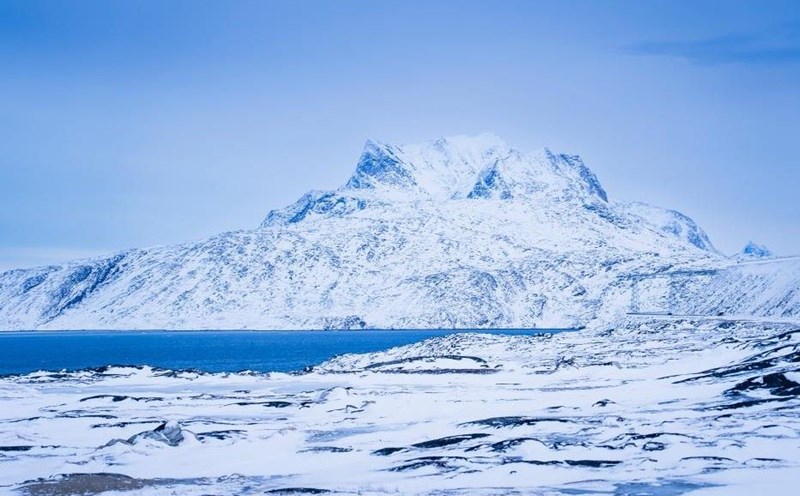
This tough statement was made in a sensitive context, when EU leaders held an emergency meeting in Brussels on January 22. The main purpose of the conference was to find common ground to deal with the unpredictable steps of US President Donald Trump on the Greenland issue.
Although Mr. Trump recently announced on social media that he and NATO had completed the "framework for an agreement" on Greenland, Brussels still decided to hold the meeting as planned. This move shows the EU's high vigilance against statements from Washington and its desire to reduce dependence on the US security umbrella.
Regarding relations with the North Atlantic military bloc, Mr. Albares affirmed that the intention to establish a joint military is not to replace NATO. He emphasized the importance of the transatlantic alliance but said that Europe needs to be more autonomous.
We need to prove that Europe is not a place for anyone to be forced militarily or economically," the Spanish Foreign Minister declared.
The idea of integrating national forces into a European supernational army is not new in reality. It was first proposed in 1951 to deal with the Soviet Union and ensure that the rearmament of Germany did not threaten its neighbors. However, this ambitious plan was rejected by the French Parliament in 1954.