
On February 6, Mr. Dmitry Medvedev, Vice Chairman of the Russian Security Council, made comments on the current energy policy of the European Union (EU). He said that the old continent has pushed itself into a trap and lost strategic autonomy.
On his personal social media channel Max, Mr. Medvedev used strong language to describe the situation. He said that in the "anti-Russian frenzy", European leaders did not even realize the seriousness of the situation they were facing.
According to Mr. Medvedev's analysis, refusing cheap and stable energy sources from Russia does not bring independence to Europe as they expect. On the contrary, this action only shifts dependence from one place to another at a much higher price.
The role of the savior of energy supply will now certainly belong to the US. However, the price to pay for this support will not only stop at money but will be much higher," Medvedev wrote.
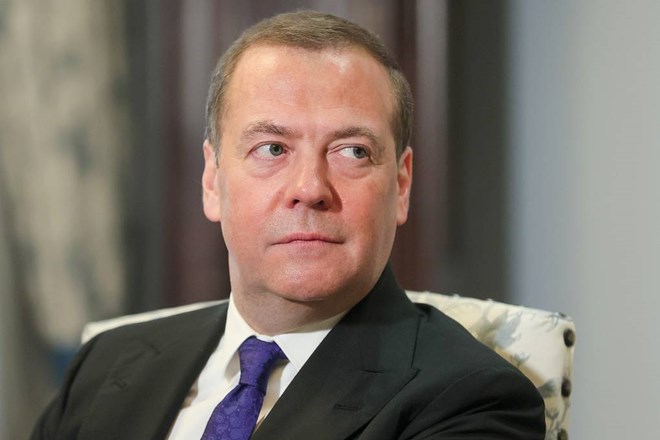
A senior Russian official affirmed that when they have fallen into a serious dependence on US gas, European countries will be forced to follow all instructions from the other side of the ocean.
This statement was made in the context that the EU has just taken drastic steps to completely cut off energy relations with Russia.
Previously, on January 26, the Council of the European Union officially approved a comprehensive ban on Russian energy. According to the announced roadmap, the ban on imports of liquefied natural gas (LNG) will take effect from January 1, 2027. Next, the ban on gas transported by pipelines will be applied from September 30, 2027.
This legal regulation has taken effect since February 2, 2026. This is considered a decisive step by Europe to completely end dependence on Russian energy sources after years of efforts to diversify supply sources.
However, observers also pointed out real challenges. Replacing Russia's pipeline gas with LNG imported from the US has caused energy costs in Europe to skyrocket.
This is putting great pressure on the industry of the old continent, causing many businesses to lose competitive advantages and face the risk of deindustrialization. From Moscow's point of view, this EU policy is "self-destructive" and only brings economic benefits to the US.


