Các nhà nghiên cứu đã tái tạo lại các điều kiện được mong đợi trong lõi của sao Hỏa hàng tỉ năm trước và phát hiện hoạt động của kim loại nóng chảy có khả năng làm phát sinh một từ trường ngắn hạn được định sẵn để biến mất.
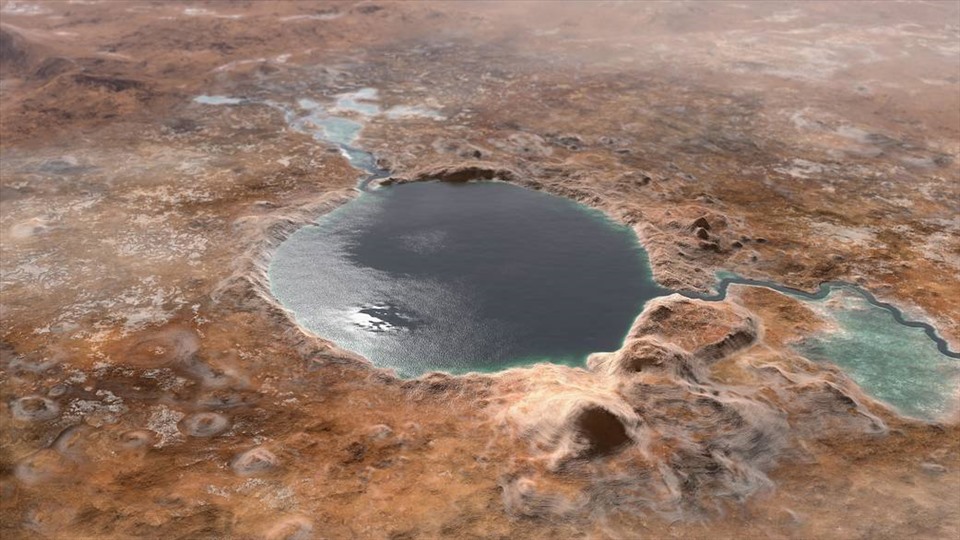
Theo Science Alert, sao Hỏa là một hành tinh khô cằn bị cai trị bởi các cơn bão bụi toàn cầu. Đó cũng là một thế giới băng giá, nơi nhiệt độ ban đêm vào mùa đông giảm xuống âm 140 độ C ở các cực. Nhưng không phải lúc nào sao Hỏa cũng là một thế giới khô khan, cằn cỗi, băng giá, khắc nghiệt. Nó từng là một nơi ấm áp, ẩm ướt, nơi nước lỏng chảy khắp bề mặt, lấp đầy các hồ, các kênh và hình thành các châu thổ. Sao Hỏa sau đó bị mất từ trường. Không có sự bảo vệ của từ trường, Mặt trời đã tước đi bầu khí quyển của hành tinh. Không có bầu khí quyển, nước là "nạn nhân" tiếp theo.
Sao Hỏa của hiện tại chính là sao Hỏa mà chúng ta vẫn luôn biết đến: Một nơi mà chỉ có những con robot mới cảm thấy sự hiếu khách của hành tinh. Sao Hỏa vẫn có từ trường phát ra từ lớp vỏ, nhưng đó là một từ trường yếu ớt nên có ít khả năng bảo vệ.
Việc mất từ trường quả là một thảm họa đối với sao Hỏa. Chuyện đã xảy ra như thế nào? Một nghiên cứu mới được công bố trên Nature Communications đã trả lời câu hỏi đó.
"Cái chết" của từ trường sao Hỏa
Tác giả nghiên cứu, giáo sư Kei Hirose từ Khoa Trái đất và Hành tinh của Đại học Tokyo (Nhật Bản) cho hay: "Từ trường của Trái đất được thúc đẩy bởi các dòng đối lưu khổng lồ không thể tưởng tượng được của các kim loại nóng chảy trong lõi của nó. Từ trường trên các hành tinh khác được cho là hoạt động theo cùng một cách. Mặc dù thành phần bên trong của sao Hỏa vẫn chưa được biết đến, nhưng bằng chứng từ các thiên thạch cho thấy nó là sắt nóng chảy được làm giàu với lưu huỳnh.
Hơn nữa, các dữ liệu địa chấn từ tàu thăm dò InSight của NASA trên bề mặt cho chúng ta biết lõi của sao Hỏa lớn hơn và ít đặc hơn so với suy nghĩ trước đây. Những điều này ngụ ý sự hiện diện của các nguyên tố nhẹ hơn như hydro. Với chi tiết này, chúng tôi chuẩn bị các hợp kim của sắt mà chúng tôi mong đợi là cấu thành lõi và đưa chúng vào các thí nghiệm".
Theo trang web của Đại học Tokyo, thí nghiệm liên quan đến kim cương, tia laser và một điều cực bất bất ngờ. Các nhà khoa học đã tạo ra một mẫu vật có chứa sắt, lưu huỳnh và hydro (Fe-S-H) - thứ mà họ mong đợi là đã từng tạo thành lõi sao Hỏa. Họ đặt mẫu này giữa hai viên kim cương và nén nó lại trong khi làm nóng bằng tia laser hồng ngoại, để mô phỏng nhiệt độ và áp suất ước tính tại lõi.
Việc quan sát mẫu bằng tia X và chùm tia điện tử cho phép nhóm nghiên cứu tưởng tượng những gì đang diễn ra trong quá trình nóng chảy dưới áp suất và thậm chí lập bản đồ thành phần của mẫu đã thay đổi như thế nào trong thời gian đó.
"Chúng tôi rất ngạc nhiên khi thấy một hành vi cụ thể có thể giải thích rất nhiều điều. Fe-S-H đồng nhất ban đầu tách ra thành hai chất lỏng riêng biệt với mức độ phức tạp chưa từng thấy trước đây dưới các loại áp suất này. Một là chất lỏng sắt giàu lưu huỳnh, chất lỏng kia giàu hydro, và đây là chìa khóa để giải thích sự ra đời và cuối cùng là cái chết của từ trường xung quanh sao Hỏa", giáo sư Kei Hirose nói.
Sắt lỏng giàu hydro và nghèo lưu huỳnh, có mật độ thấp hơn, sẽ nổi lên trên sắt lỏng giàu lưu huỳnh, nghèo hydro, đậm đặc hơn, gây ra các dòng đối lưu. Những dòng điện này, tương tự như trên Trái đất, sẽ tạo ra một từ trường có khả năng duy trì hydro trong bầu khí quyển xung quanh sao Hỏa, do đó sẽ cho phép nước tồn tại ở dạng lỏng.
Tuy nhiên, nó đã không kéo dài. Không giống như các dòng đối lưu bên trong của Trái đất cực kỳ lâu dài, một khi hai chất lỏng tách ra hoàn toàn, sẽ không còn dòng nào nữa để tạo ra từ trường. Và khi điều đó xảy ra, hydro trong khí quyển bị gió mặt trời thổi ra ngoài vũ trụ, dẫn đến sự phân hủy hơi nước và cuối cùng là sự bốc hơi của các đại dương trên sao Hỏa. Tất cả điều này đã xảy ra cách đây khoảng 4 tỉ năm.