Russia has controlled about 20% of Ukrainian territory since the annexation of Crimea in 2014, but the progress in the Russia-Ukraine conflict that broke out on February 24, 2022 is slow.
Initially, the conflict involved rapid movements of large numbers of soldiers and tanks in Russia's lightning attack and Ukraine's counter-attack in the fall of 2022, but later turned into trench fighting along the 1,200km long battle line.
The Center for Strategic and International Studies (CSIS) based in Washington, USA estimates that the casualties of the Russian army are 1.2 million people, of which 32.5 million died. The casualties of the Ukrainian army amount to 600,000 people, of which up to 140,000 died.
Russia suffered the highest casualties rate compared to any superpower in any war since World War 2," the report noted.
According to reports, the Russian military only advanced an average of 70m per day for 2 years to control the Pokrovsk traffic center. However, neither Russia nor Ukraine commented on the above figures.
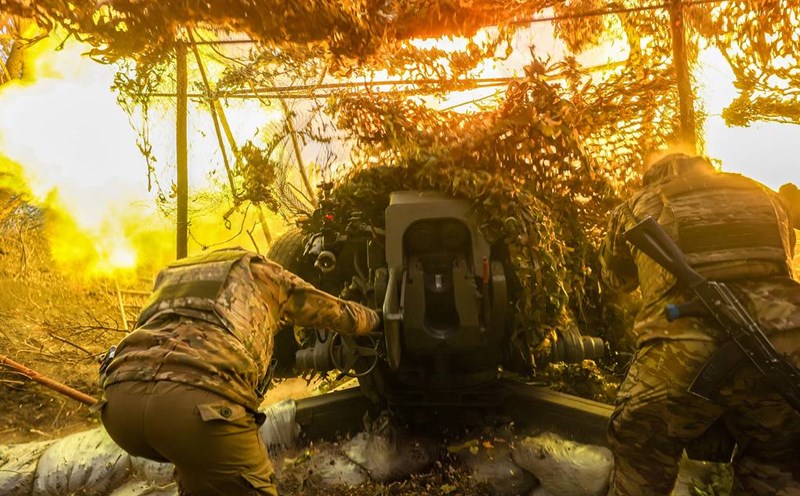
For the first time in military history, drones are playing a decisive role, making it almost impossible for both sides to secretly concentrate a large number of soldiers.
From the beginning of the conflict, Ukraine relied on drones to prevent Russia's advance, but Russia also significantly expanded drone operations and put into use longer-range fiber optic drones to avoid electronic interference. Thanks to that, Russia expanded the combat zone up to 50km from the front lines.
The combination of high-tech drones and World War 1-style trench tactics makes only small infantry groups, usually only 2 or 3 soldiers, penetrate into enemy positions in towns flattened by heavy artillery and Russian flying bombs. Transporting supplies and evacuating injured people is a major challenge when drones target supply routes.
Ukrainian officials described the recent winter as the most difficult season of the conflict. Russia increased attacks on the energy system, causing power outages in Kiev. Russia also increased targeting power lines to prevent power transmission and cut off Ukraine's power grid, increasing pressure on the power grid.
Ukraine retaliated with long-range drone attacks on oil refineries and other energy facilities deep within Russian territory. Ukrainian drones and missiles sank several Russian warships in the Black Sea, forcing Russia to redeploy its fleet from Crimea to Novorossiysk. In the bold attack codenamed "Spider Network" in June 2025, Ukraine used truck-based drones to attack several air bases containing long-range bombers across Russia.
US President Donald Trump promotes the end of the conflict, but reconciliation efforts are facing opposing demands. Moscow still maintains maximum demands in the peace talks mediated by the US, demanding that Kiev withdraw troops from 4 territories of Ukraine that Russia claims to annex, abandon efforts to join NATO, restrain the military and recognize Russian as the official language... Russia leaves open the possibility of Ukraine joining the European Union, but resolutely excludes any European peacekeeping forces deployed to Ukraine within the framework of the peace agreement.
The White House set a June 2026 deadline for ending the conflict in Ukraine and is likely to put pressure on both sides to meet this deadline. But even if President Donald Trump wants to reach a peace agreement before the midterm election in the US, many challenges remain.