
According to the direction from industry leaders, Deputy Minister of Culture, Sports and Tourism Hoang Dao Cuong emphasized the requirement to comprehensively innovate training work towards modernity, professionalism, associated with achievement goals in major arenas. Along with that, leaders of the Vietnam Sports Administration were also requested to strengthen monitoring and advise on solutions to remove difficulties in facilities and training costs.
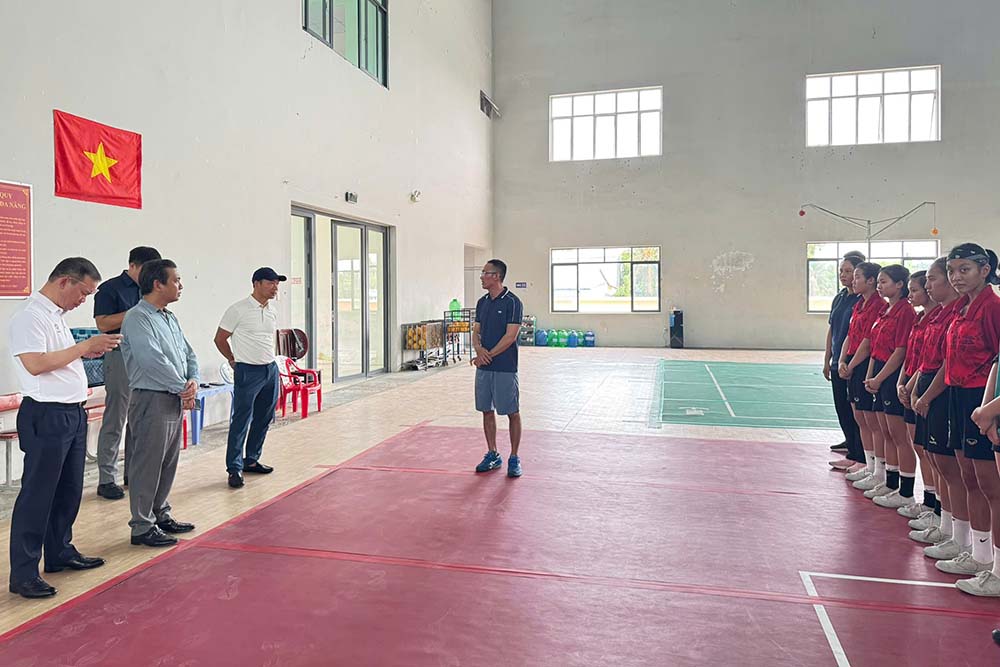
At the grassroots level, the Ho Chi Minh City National Sports Training Center, headed by Director Pham Thanh Tu, is currently managing more than 500 athletes belonging to the national team system, youth teams and sports forces for people with disabilities. These forces are organized for training at many locations such as Ho Chi Minh City, Thu Duc, Can Tho, Mui Ne and Da Lat, creating diverse training environments.
In the strategy for the 2026-2030 period, the unit identifies the group of 13 key athletes with the ability to compete for medals in boxing, weightlifting, taekwondo, cycling, rowing, fencing and gymnastics as the core force for international goals.
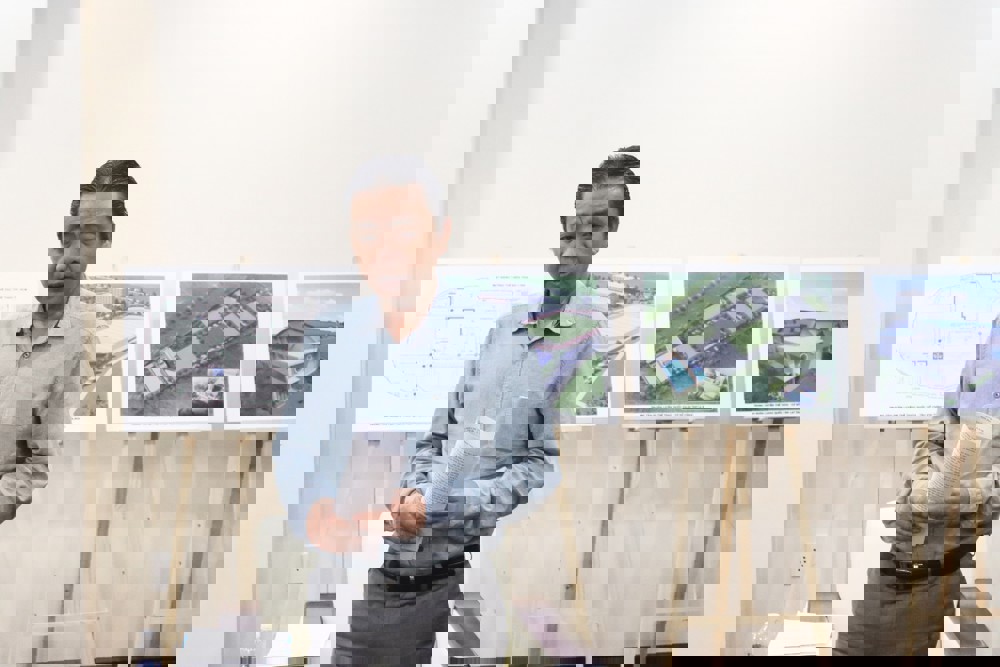
In parallel with expertise, training is being modernized through the application of technology in data management, training monitoring and curriculum optimization. Support stages such as nutrition, sports medicine and rehabilitation are also being strengthened to improve competition efficiency.
Leaders of the sports sector also oriented to continue to improve the regime and working conditions for coaches and athletes, and at the same time promote international cooperation in training, considering this an important foundation to improve Vietnam's sports achievements in the new period.


