
Many degraded projects need to be repaired soon
On April 20, the Department of Agriculture and Environment of Ca Mau province said that it had a report on ensuring the safety of irrigation works serving the 2026 rainy and flood season.
Ca Mau province currently has 1 freshwater reservoir in Khanh An commune with a capacity of 3.85 million m3. This is a project that plays an important role in storing fresh water, serving people's needs and production in the context of drought and saltwater intrusion diễn biến phức tạp in recent years.
Currently, phase 1 of the project has just been completed, which is the construction of a freshwater reservoir, and phase 2 includes the water treatment plant item that has not been invested in. Therefore, the reservoir currently mainly performs the task of storing rainwater, not fully promoting its function according to the initial design.
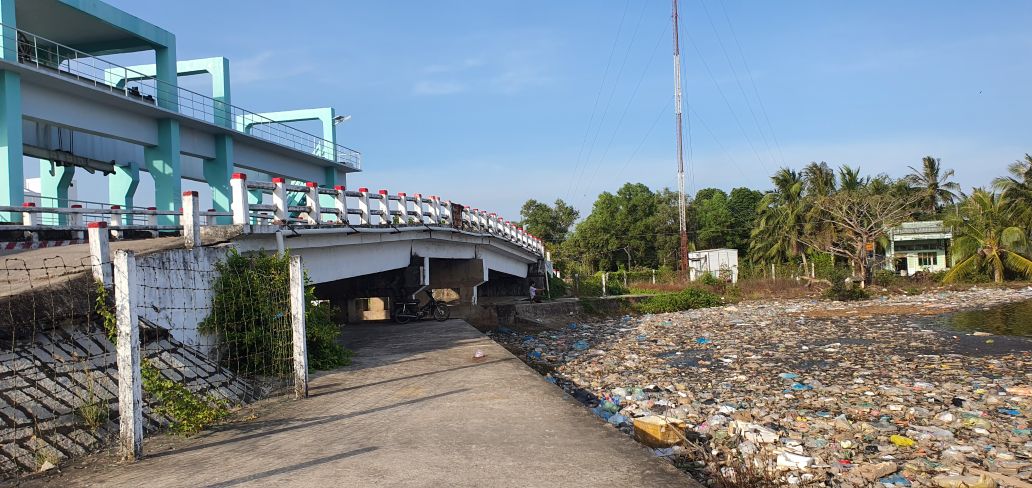
Regarding dam and reservoir safety management, functional sectors said that the management, exploitation and safety assurance of works are carried out according to regulations. However, some contents such as completing the reservoir operation process, disaster response plans and emergency handling plans are continuing to be supplemented.
In addition to reservoirs, Ca Mau currently has a widespread irrigation system with 256 large canals with a total length of more than 3,314km, 1,190 medium canals with a length of 5,831km and 1,957 small canals with a length of 3,725km. The whole province also has 12 large culverts, 317 medium culverts, 77 small culverts and 31 medium pumping stations and 80 small pumping stations serving production.
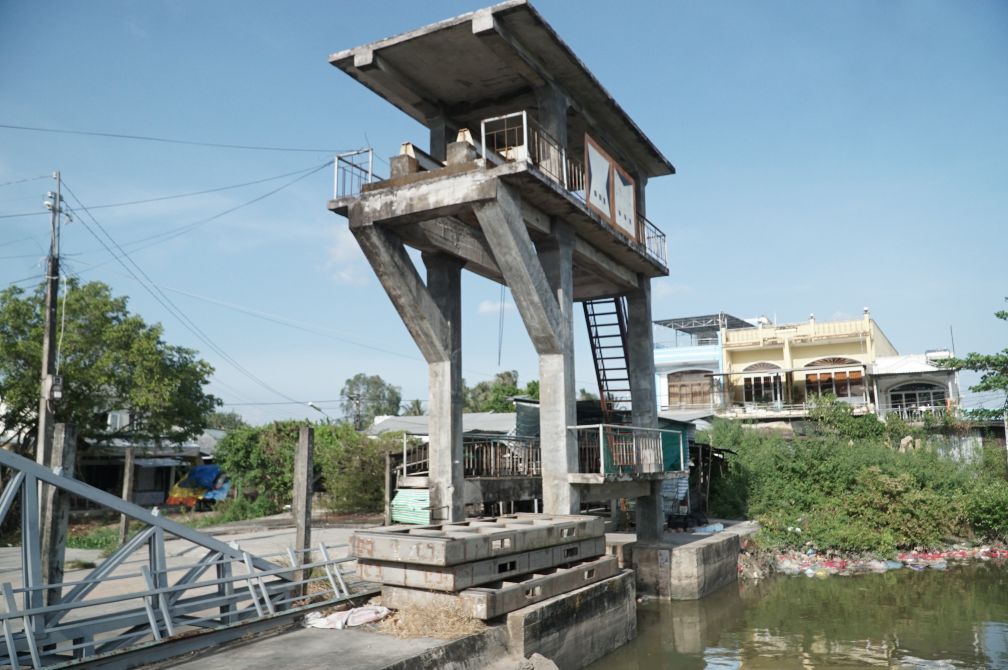
Through the current status inspection of irrigation works, it was determined that out of 16 river embankment works that were reviewed, 3 works were damaged and degraded. Among the 86 culverts, canals, and embankments inspected, there are 21 works that need maintenance, repair, and upgrading.
In addition, 40 projects need to reinforce and repair embankments to prevent the risk of landslides and overflows when heavy rain combines with high tides; 22 projects need to dredge canals to ensure drainage capacity; 3 projects need to repair pumping stations to maintain stable operation during the peak rainy season.
Ensuring sewer and dam safety
To ensure the safety of works during the rainy and flood season, Ca Mau province requests management units to organize 24/24 hour duty shifts, closely monitor meteorological and hydrological developments, rainfall, water levels and tidal surges to proactively respond.
Along with that, functional forces will strengthen inspections, promptly detect incidents such as subsidence, leaks, cracks, landslides of embankments or flow blockages to handle them from the beginning, limiting damage to production and people's lives.
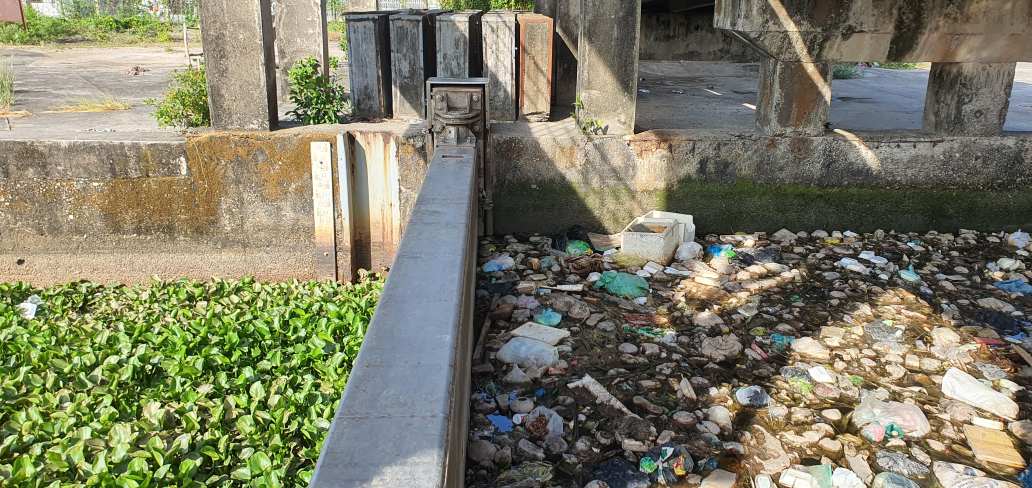
Localities are also required to review and supplement disaster prevention plans; prepare sufficient supplies, vehicles, and personnel according to the "4 on-site" motto, ready to handle unexpected situations occurring during the rainy and storm season.
The current difficulty is that the irrigation system is widely distributed, many small-scale projects have been used for many years and are degraded, but capital has not been allocated for timely repair. Resources for annual maintenance and repair are still limited.
In addition, the impacts of climate change, sea level rise, high tides and increasingly severe saltwater intrusion continue to put great pressure on the local irrigation system.
In parallel with the repair of existing works, Ca Mau Provincial People's Committee has approved a project to build 7 saltwater intrusion and tide control culverts in the Bac Lieu (old) area.
The project has a total investment of more than 277 billion VND, aiming to prevent salinity and maintain fresh water to serve irrigation for more than 27,020ha of agricultural production land in Lang Tron ward and Vinh My, Vinh Thanh, Vinh Phuoc, Hoa Binh, Chau Thoi, Phuoc Long, Vinh Loi, Hung Hoi communes.
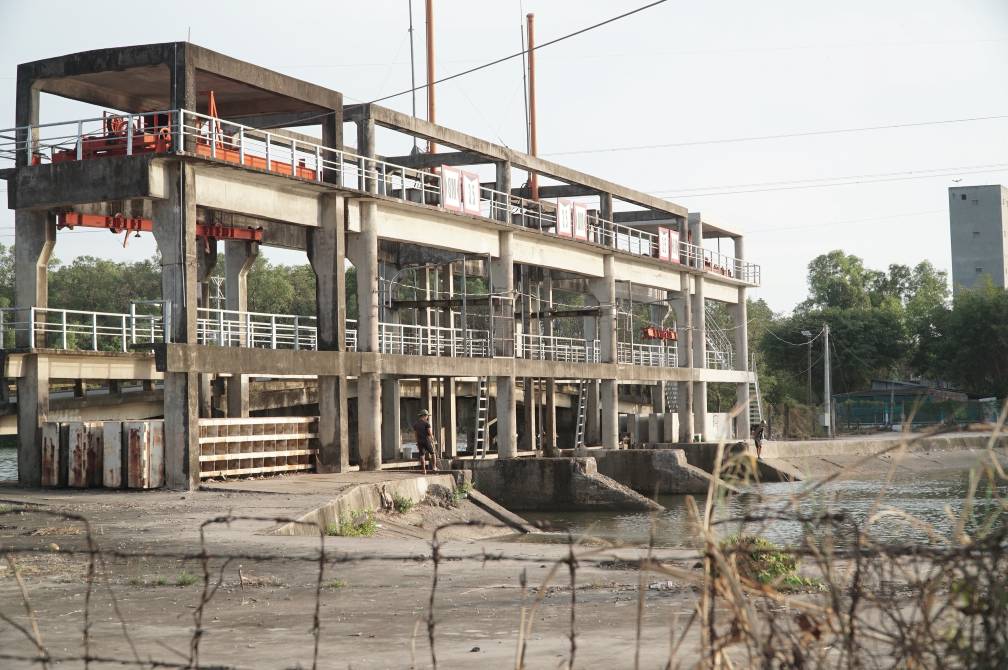
In addition to serving agricultural production, these culverts also contribute to flood control due to high tides, stabilizing farming conditions, improving crop productivity and promoting socio-economic development in the region. The project is expected to be implemented from 2026 to 2028.


