
On May 30, the Can Tho City Party Committee organized a conference to summarize 1 year of operating the apparatus of the political system and local government at 2 levels.
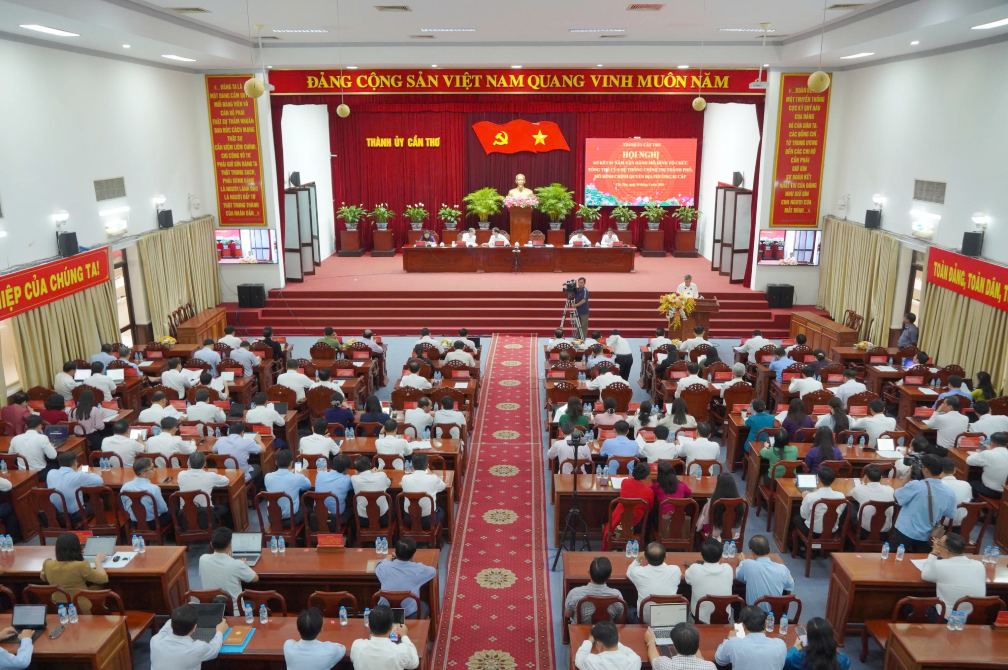
Speaking to direct at the conference, Mr. Le Quang Tung - Member of the Party Central Committee, Secretary of the City Party Committee, Head of the National Assembly Delegation of Can Tho City informed that after the arrangement, Can Tho has 103 communes and wards (including 31 wards and 72 communes), with an area of more than 6,300 km2 and 1,896 hamlets and areas.
The Secretary of the City Party Committee assessed that after one year of operating the 2-level local government model, the apparatus from the city to the grassroots level has quickly been consolidated, operating smoothly, without leaving gaps in leadership, management and serving the people.
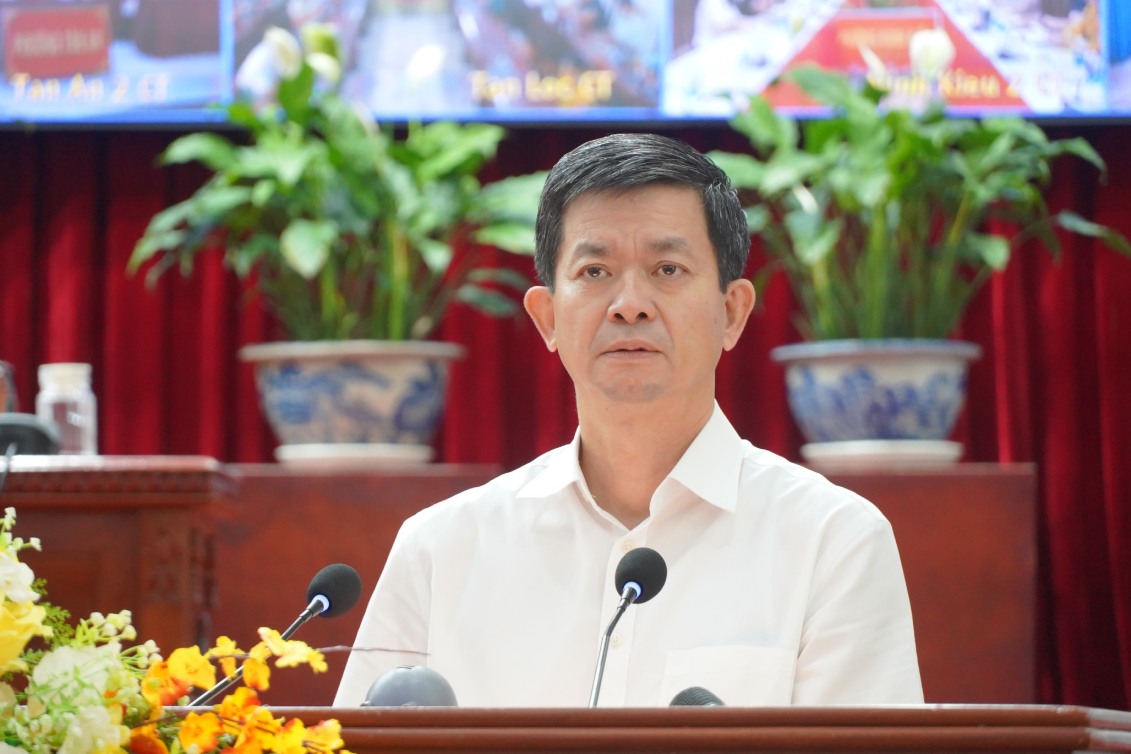
However, Mr. Le Quang Tung also frankly acknowledged that the level of decentralization and delegation of power in Can Tho is still low compared to many localities directly under the Central Government. The city has only decentralized 457 tasks to the commune level, while many localities have implemented over 700 tasks. This is a challenge but also room for the city to continue to innovate and improve management efficiency in the coming time.
According to the Secretary of the Can Tho City Party Committee, besides the achieved results, the quality of the contingent of cadres between localities is still uneven; some places lack experience and professional skills in specialized fields. He requested functional agencies to continue reviewing, arranging, and mobilizing personnel suitable to their capacity and strengths, ensuring that each commune and ward has a contingent of cadres with sufficient capacity to perform assigned tasks.
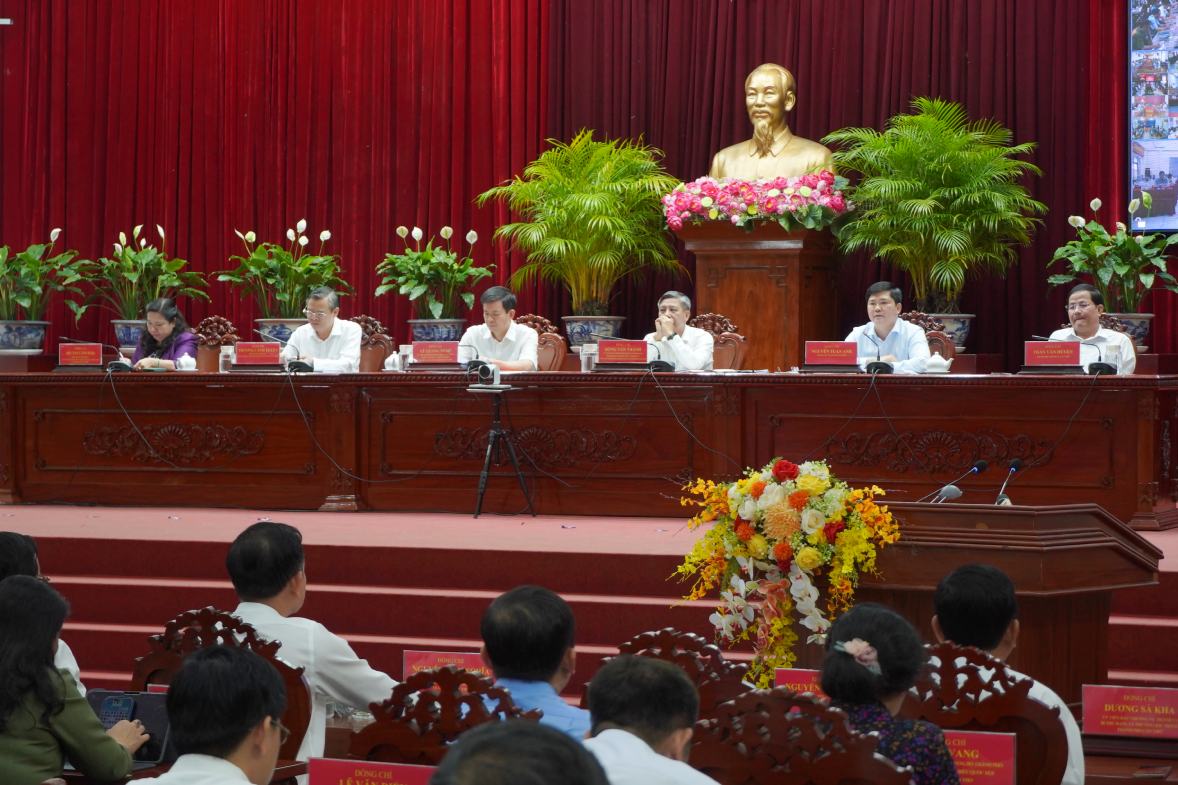
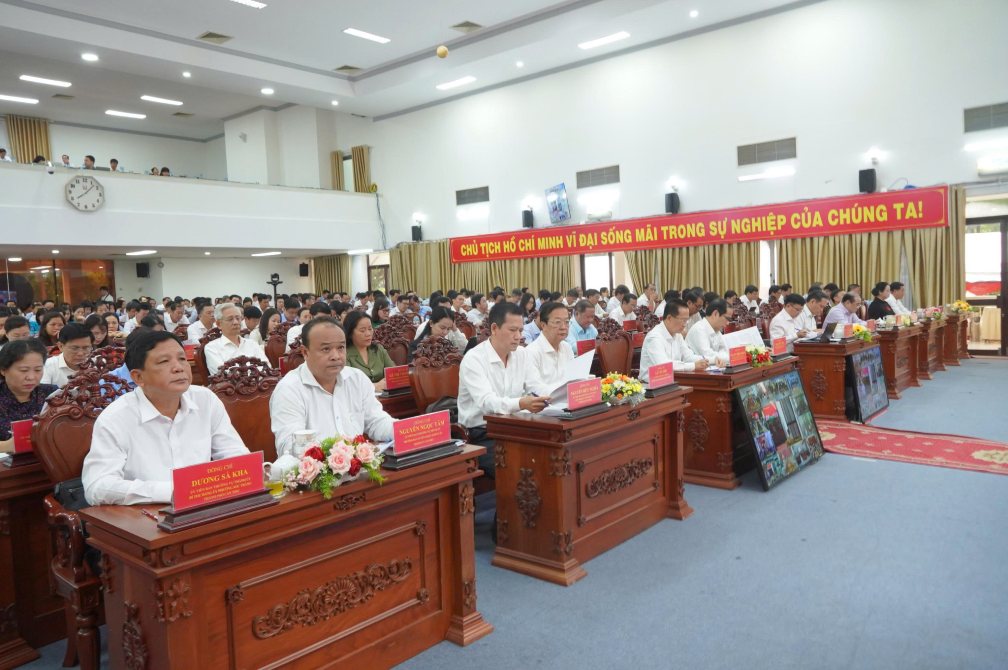
He also pointed out the reality that a part of officials still have a psychology of hesitation, not boldly performing the tasks that have been decentralized and delegated power. Meanwhile, the guiding spirit of the Central Government is to strengthen the proactiveness and self-responsibility of the grassroots government. The contents that have been assigned authority to communes and wards must be resolved promptly, without waiting for or relying on superiors.
He also requested the team of commune and ward-level officials to change their thinking, promote the spirit of proactiveness, creativity, dare to think, dare to do, dare to take responsibility; consider themselves as a force directly contributing to promoting growth and development of the city, instead of just performing tasks under the direction of superiors.
Orienting tasks for the coming time, Can Tho City Party Secretary Le Quang Tung requested all levels and sectors to continue to closely follow the direction of the Central Government, proactively complete and improve the operational efficiency of the 2-level local government model; promote the spirit of confidence, self-reliance, daring to think, daring to do in performing assigned tasks.
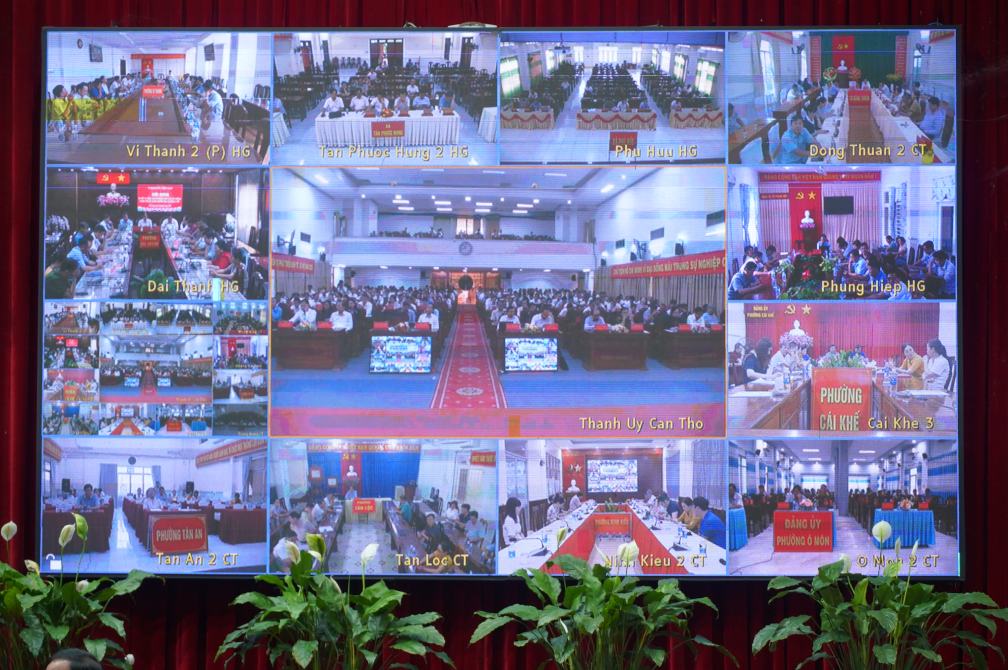
According to the Secretary of the City Party Committee, Can Tho needs to focus on reviewing and perfecting the organizational structure of communes; promote decentralization and delegation of power associated with strengthening inspection and supervision. In which, digital transformation, application of information technology and artificial intelligence must be considered one of the key tasks to improve management quality and serve people and businesses.
Secretary of the City Party Committee emphasized that the operation of the 2-level local government model must be closely linked to the goal of economic growth, social security care and improving people's lives. At the same time, continue to strengthen inspection and supervision, promote the role of people-elected agencies to ensure synchronous and effective operation of the apparatus.
Mr. Le Quang Tung expressed his belief that the team of officials and civil servants from the city to the grassroots level will continue to promote the spirit of innovation, creativity, and decisiveness in action, taking specific results and products as a measure.
The ultimate goal is to serve the people better, support businesses more conveniently, build a team of officials with clear people, clear tasks, clear responsibilities, contributing to bringing Can Tho to develop quickly and sustainably, worthy of being the central city of the Mekong Delta region.


